
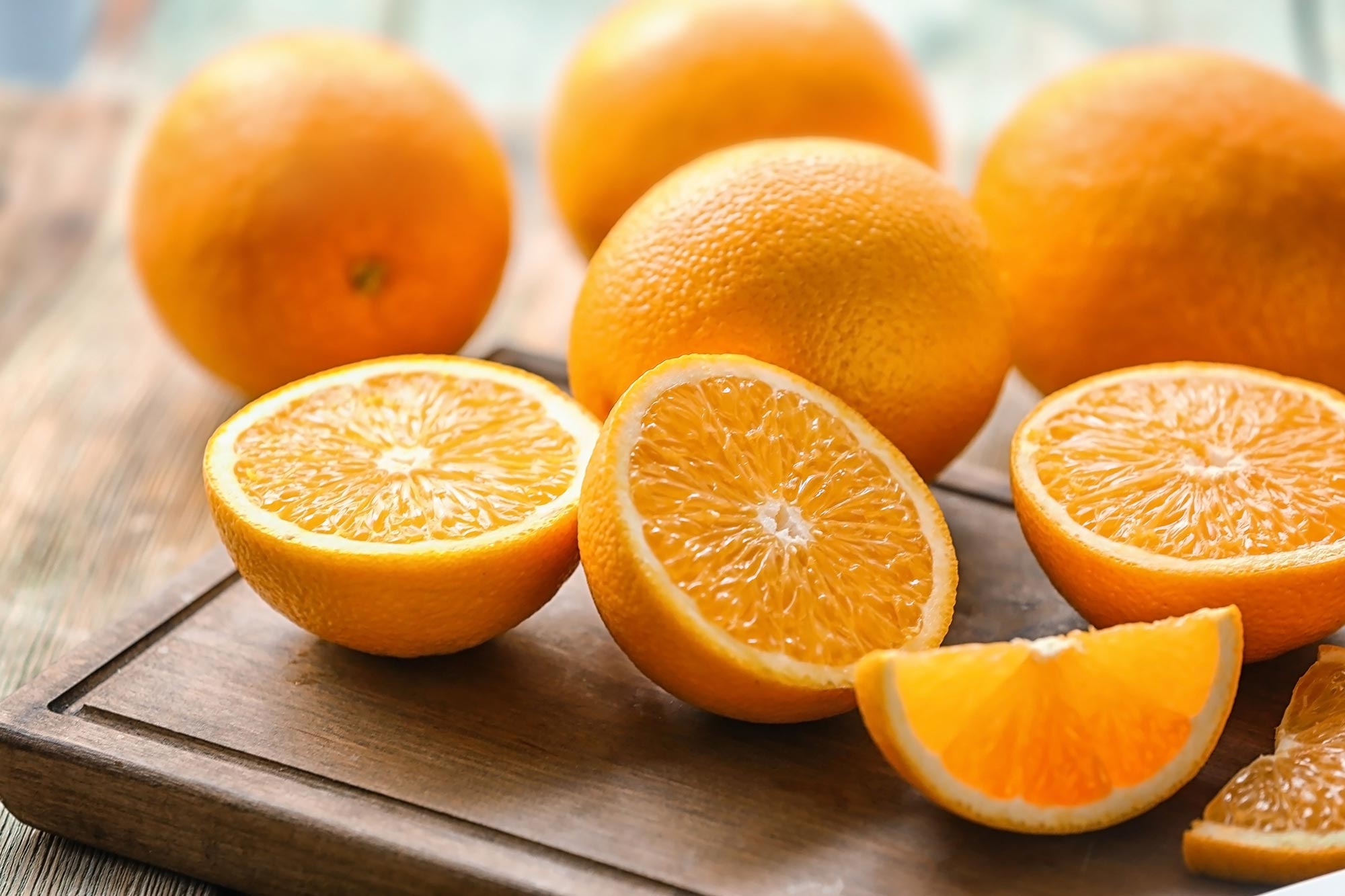
Could a simple orange a day help prevent depression? A groundbreaking study suggests it might.
Researchers found that people who regularly ate citrus had a significantly lower risk of developing depression, likely due to its effects on gut bacteria. One bacterium, F. prausnitzii, appears to thrive in citrus lovers, influencing serotonin and dopamine production — two key mood-regulating neurotransmitters. While antidepressants treat depression after it starts, citrus consumption could be a natural, side-effect-free way to help prevent it.
New Findings Add Another Dimension to “Gut Feelings”
Eating an orange a day may reduce the risk of depression by 20%, according to a study led by Raaj Mehta, a physician at Massachusetts General Hospital and instructor in medicine at Harvard Medical School. The potential reason? Citrus fruits appear to support the growth of Faecalibacterium prausnitzii (F. prausnitzii), a beneficial gut bacterium. This bacterium is linked to the production of serotonin and dopamine — two neurotransmitters that play a key role in regulating mood.
In an interview with the Gazette, Mehta shares key insights from the study.
What inspired this study?
I was working with a fantastic postdoc named Chatpol Samuthpongtorn, who was reading through the literature on depression, looking for an interesting project to take on. And he came across this one paper from 2016 that pointed to the possibility that citrus lowers the risk of depression.
That piqued our interest because we had access to a rich data set that we could use to follow up on this finding. It’s called the Nurses’ Health Study II (NHS2), and it began in 1989 with the goal of finding risk factors for major chronic diseases in women. It involves over 100,000 women, and roughly every two years they provide researchers with detailed information about their lifestyle, diet, medication use, and health. So we decided to leverage these data to look for evidence that nurses who ate a lot of citrus had lower rates of future depression than those who did not. And that’s what we found!
How big an effect is this? Does it compare to traditional antidepressants?
We found that eating one medium orange a day may lower the risk of developing depression by about 20 percent. And the effect seems to be specific to citrus. When we look at people’s total fruit or vegetable consumption, or at other individual fruits such as apples or bananas, we don’t see any relationship between intake and risk of depression.
It’s hard to compare the effectiveness of citrus to traditional antidepressants, such as selective serotonin reuptake inhibitors, because we’re talking about preventing depression, and those drugs are usually used to treat depression once a person is already experiencing it. In the future, eating citrus could perhaps be part of a strategy for managing depression that also involves these more traditional pharmaceuticals. But more research is needed before we can conclude that.
So walk me through the logic. How exactly do you think eating oranges lowers the risk of depression?
One unique part of the study is that a subset of participants in the NHS2 gave researchers several samples of their stool over the course of a year. Using DNA sequencing results from these stool samples, we looked for links between citrus intake and particular species of bacteria in the gut microbiome. One species of bacteria stood out — F. prausnitzii was more abundant in people who were not depressed than people who were, and consuming a lot of citrus was also associated with high levels of F. prausnitzii. So we think this bacterium may link citrus consumption with good mental health.
Because the NHS2 only includes women, we wanted to confirm the findings in a study involving men. So we turned to a similar study, called the Men’s Lifestyle Validation Study, where we also saw increasing levels of F. prausnitzii were inversely correlated with depression risk scores.
So then the question became, how is F. prausnitzii making people feel better? One answer, we think, might be that these bacteria use a metabolic pathway known as the S-adenosyl-L-methionine cycle I pathway to influence levels of two neurotransmitters — serotonin and dopamine — produced by human cells in the gut. These neurotransmitters regulate how food passes through the digestive tract, but they can also travel to the brain, where they elevate mood.
Were you surprised by the findings?
Yes and no. There’s so much evidence now suggesting a strong link between the gut and the brain that I was not surprised to find more. At the same time, I had not associated citrus with the brain before we got these results. You often hear that fish is “brain food,” but nobody says that oranges are brain food. Similarly, F. prausnitzii has been linked to good health in lots of ways, like by lowering the risk of developing inflammatory bowel disease. But I wasn’t aware of a link between F. prausnitzii and mental health.
What’s next for this research?
I would love to see a clinical trial done to definitively show that eating citrus can lower the risk of depression, or maybe even alleviate the condition in some cases. There’s such a huge unmet need for depression treatments, and eating citrus doesn’t really have any major side effects, so it would be great to see how much this simple treatment can help.
More broadly, I hope our results inspire other researchers to look into the link between diet and mental health. I think people know intuitively that the foods we eat impact our mood. We even have a term for this: comfort foods, which make ourselves feel better in the short term. But researchers are just starting to understand the specifics.
Reference: “F. prausnitzii potentially modulates the association between citrus intake and depression” by Chatpol Samuthpongtorn, Allison A. Chan, Wenjie Ma, Fenglei Wang, Long H. Nguyen, Dong D. Wang, Olivia I. Okereke, Curtis Huttenhower, Andrew T. Chan and Raaj S. Mehta, 14 November 2024, Microbiome.
DOI: 10.1186/s40168-024-01961-3
The Nurses’ Health Study II was funded by the National Cancer Institute, National Institutes of Health.
Never miss a breakthrough: Join the SciTechDaily newsletter.
Follow us on Google and Google News.
5 Comments
Very good information. Well presented and supported. Thank you
So happy to hear a delicious preventative is now scientifically recommended! Thank you for the article and the science. 😃
Canadians won’t be eating US oranges ever again.
No thanks.
Grow up Morant
Well if you are eating oranges regularly you must live in a state with a lot of warm temperatures and lots of sunshine to be outside a lot, and that helps with depression and seasonal depression.