

New research using underwater infrared cameras reveals that artificial light disrupts the nocturnal activities of coral reef communities, causing behavioral changes in fish.
Predatory fish are drawn to these artificially lit areas, disrupting the natural ecosystem. Solutions such as reducing light pollution could quickly improve the resilience of coral reefs.
Impact of Light Pollution on Coral Reefs
Artificial light disrupts the natural behavior of coral reef fish, waking sleeping species and attracting predators, according to groundbreaking research using underwater infrared cameras.
The study, published today (December 18) in Global Change Biology, involved an international team of scientists from the UK, France, French Polynesia, and Chile. It marks the first large-scale investigation into how light pollution affects the nocturnal dynamics of coral reef ecosystems.
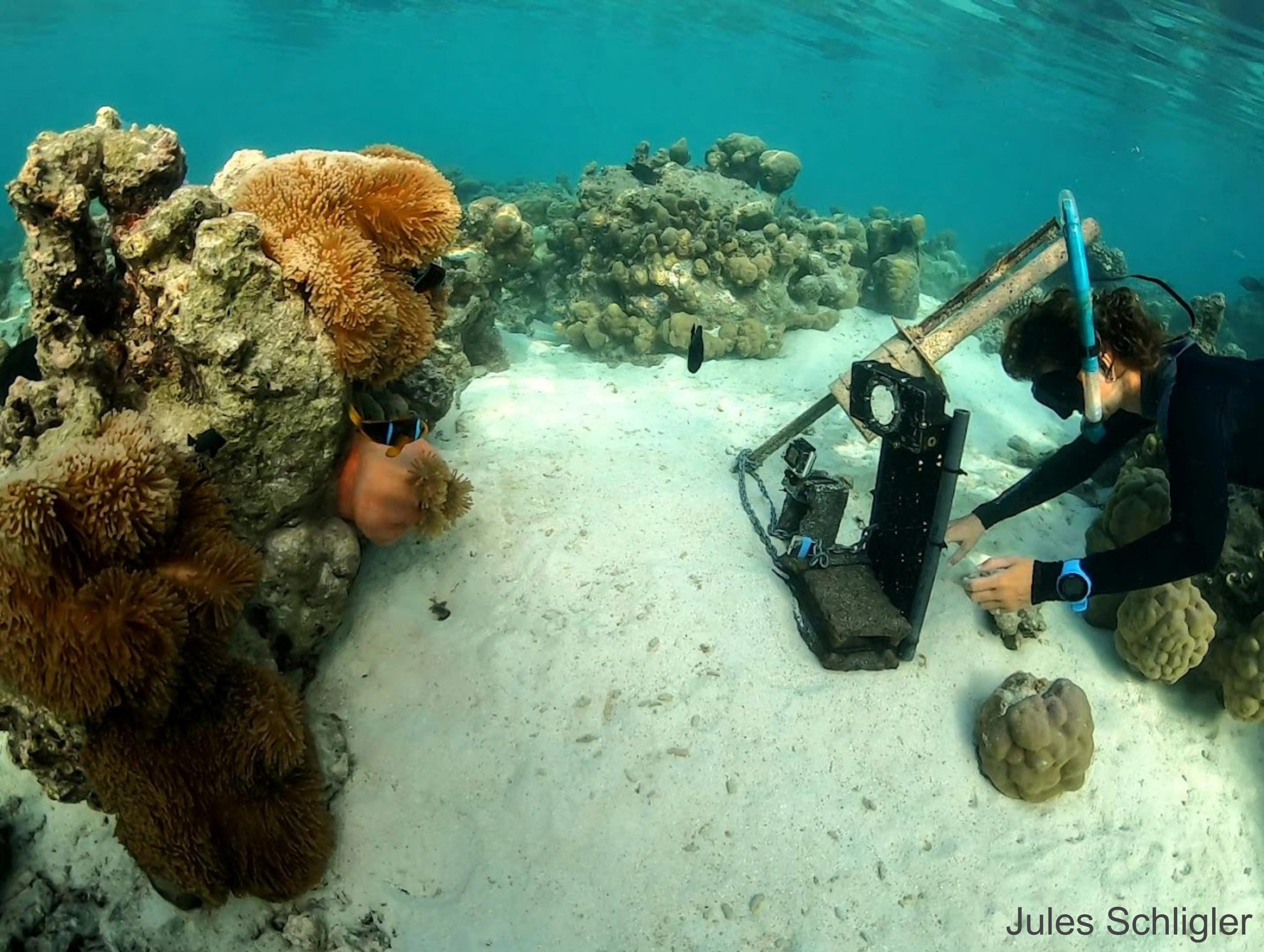
Behavioral Changes in Marine Life
Dr. Emma Weschke, lead author from the University of Bristol’s School of Biological Sciences, explained: “When the sun sets, coral reefs undergo a dramatic transformation. The vibrant fish we see in the day retreat to sleep among the corals and elusive nocturnal species emerge from caves and cervices in pursuit of prey.”
Senior author, Professor Andy Radford, also from Bristol, added: “The night usually brings a veil of darkness that allows marine life to hide from nocturnal predators. But artificial light generated by human activities exposes coral reef inhabitants to unexpected danger.”
Technological Advances in Research
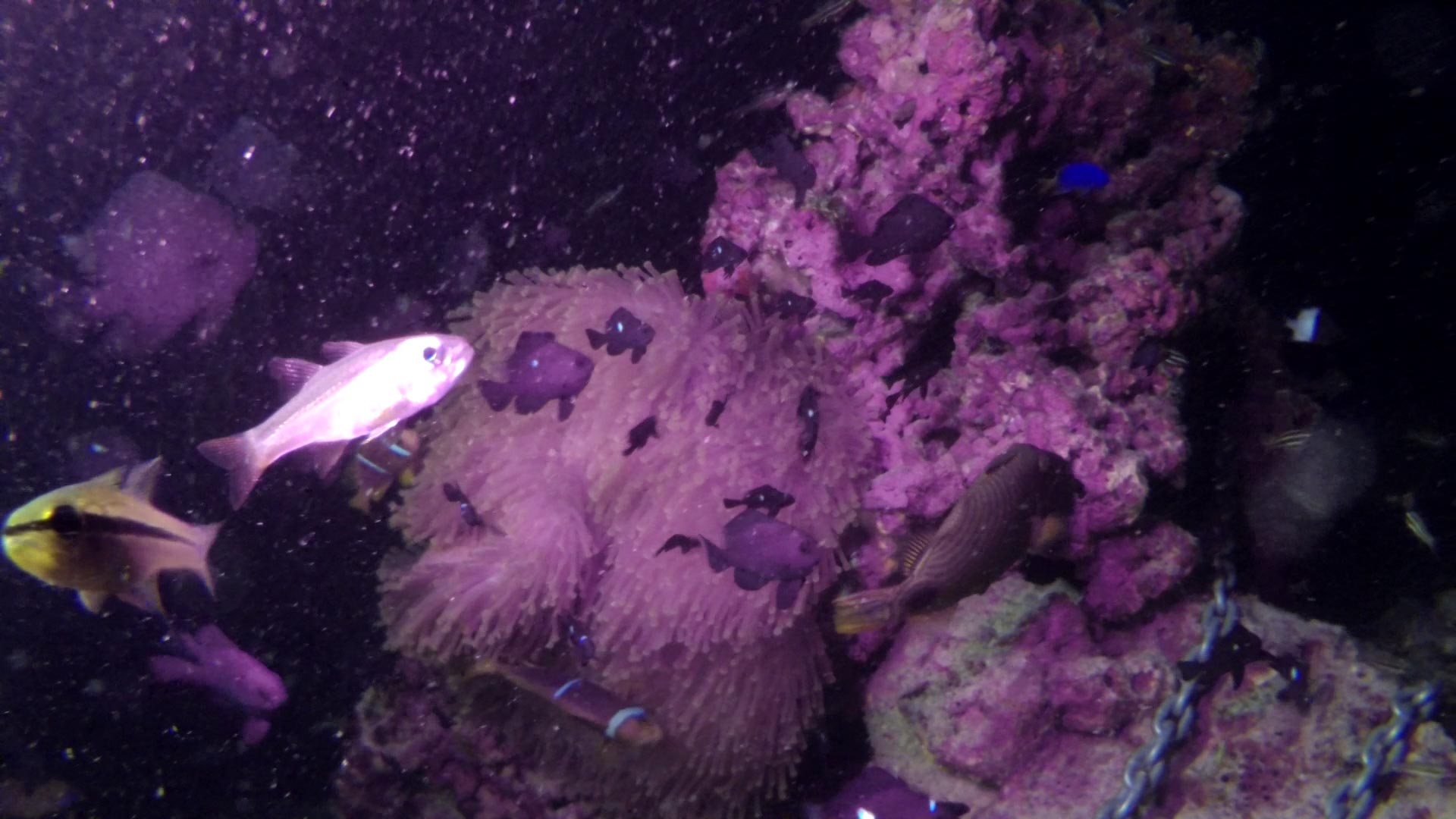
Using purpose-built underwater infrared night-vision cameras, the scientists could film the reef at night without interfering with fish behavior. This is because fish cannot see in infrared.
A larger number of fish species were present on artificially illuminated reefs at night compared to control sites with no artificial light. Further investigation revealed these species were predatory fish—feeding on the zooplankton, small fish, and invertebrates.
Dr. Weschke said: “Many of the species detected on artificially lit reefs were not nocturnal fish, but those that are only usually active during the day. Finding that light pollution can cause fish to stay awake later than usual is concerning because sleep—like for us—is likely essential for regenerating energy and maintaining fitness.”
Professor Radford explained: “Artificial light makes it much easier for predators to locate and capture prey, reducing their foraging effort. Which is why we think that greater numbers are being attracted to artificially illuminated coral reefs at night.”
Long-Term Effects and Solutions
The changes observed in the nightlife on the reef were observed after an average of 25 consecutive nights exposure to artificial light. Only a few nights of exposure were not long enough to elicit any noticeable changes in fish communities compared to controls.
“This is positive news as it suggests that there could be low-cost solutions that are quick to implement,” said co-author Professor Steve Simpson, also of Bristol’s School of Biological Sciences. “Reducing the impacts of artificial light could help build resilience on valuable coral reefs.”
Dr. Weschke added: “Unlike greenhouse gasses and plastics, artificial light is a pollutant that doesn’t leave a residue when switched off.
“Limiting artificial light in both its intensity and duration, prioritizing it for essential needs and reducing aesthetic use, will help reestablish naturally dark nights that marine ecosystems evolved with.”
Reference: “Artificial Light Increases Nighttime Prevalence of Predatory Fishes, Altering Community Composition on Coral Reefs” by Emma Weschke, Jules Schligler, Isla Hely, Thibaut Roost, Jo-Ann Schies, Ben Williams, Bartosz Dworzanski, Suzanne C. Mills, Ricardo Beldade, Stephen D. Simpson and Andrew N. Radford, 18 December 2024, Global Change Biology.
DOI: 10.1111/gcb.70002
The work was conducted by researchers from the University of Bristol, UK, Centre de Recherches Insulaires et Observatoire de l’Environnement (CRIOBE), French Polynesia and Pontificia Universidad Católica de Chile.
Never miss a breakthrough: Join the SciTechDaily newsletter.
Follow us on Google and Google News.