
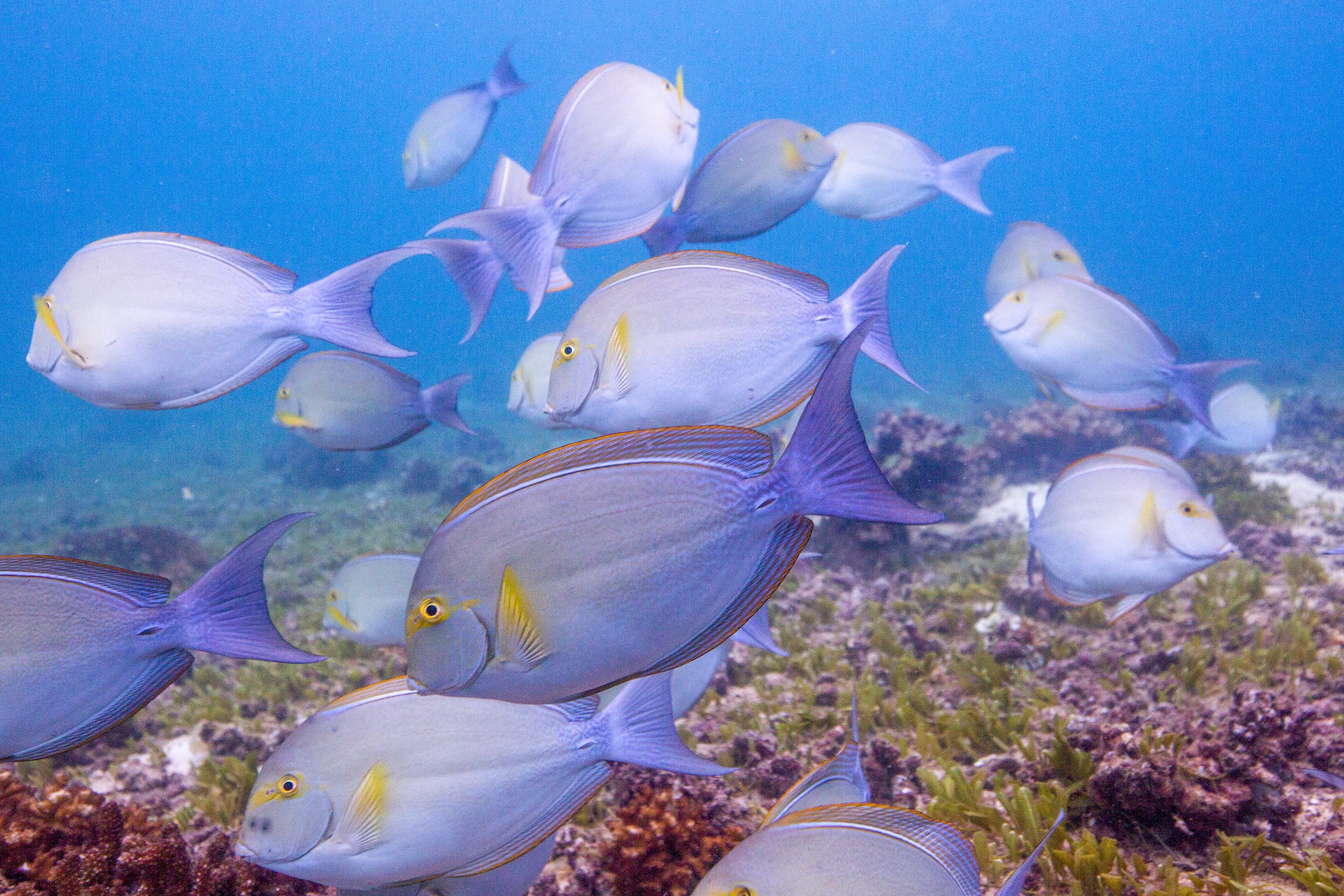
Allowing reef fish populations to recover could dramatically increase the global supply of sustainable seafood.
The biggest gains would come in regions facing the most severe hunger, making reef restoration a powerful food solution.
Coral Reefs and the Growing Global Food Crisis
The global population has reached about 8.3 billion people, and millions still struggle with malnutrition. As food security becomes an increasingly urgent issue, researchers are exploring whether the ocean could help meet this growing need. Scientists at the Smithsonian Tropical Research Institute (STRI) in Panama, working with collaborators from multiple institutions, have found that allowing coral reef fish populations to recover could significantly increase the amount of seafood produced sustainably each year. Their findings suggest this approach could provide food for millions of people worldwide.
The research shows that many reef fish populations have been heavily overfished and are producing far less food than they are capable of supporting over time. While current yields are low, the scientists found that rebuilding these depleted fish stocks could help address global hunger.
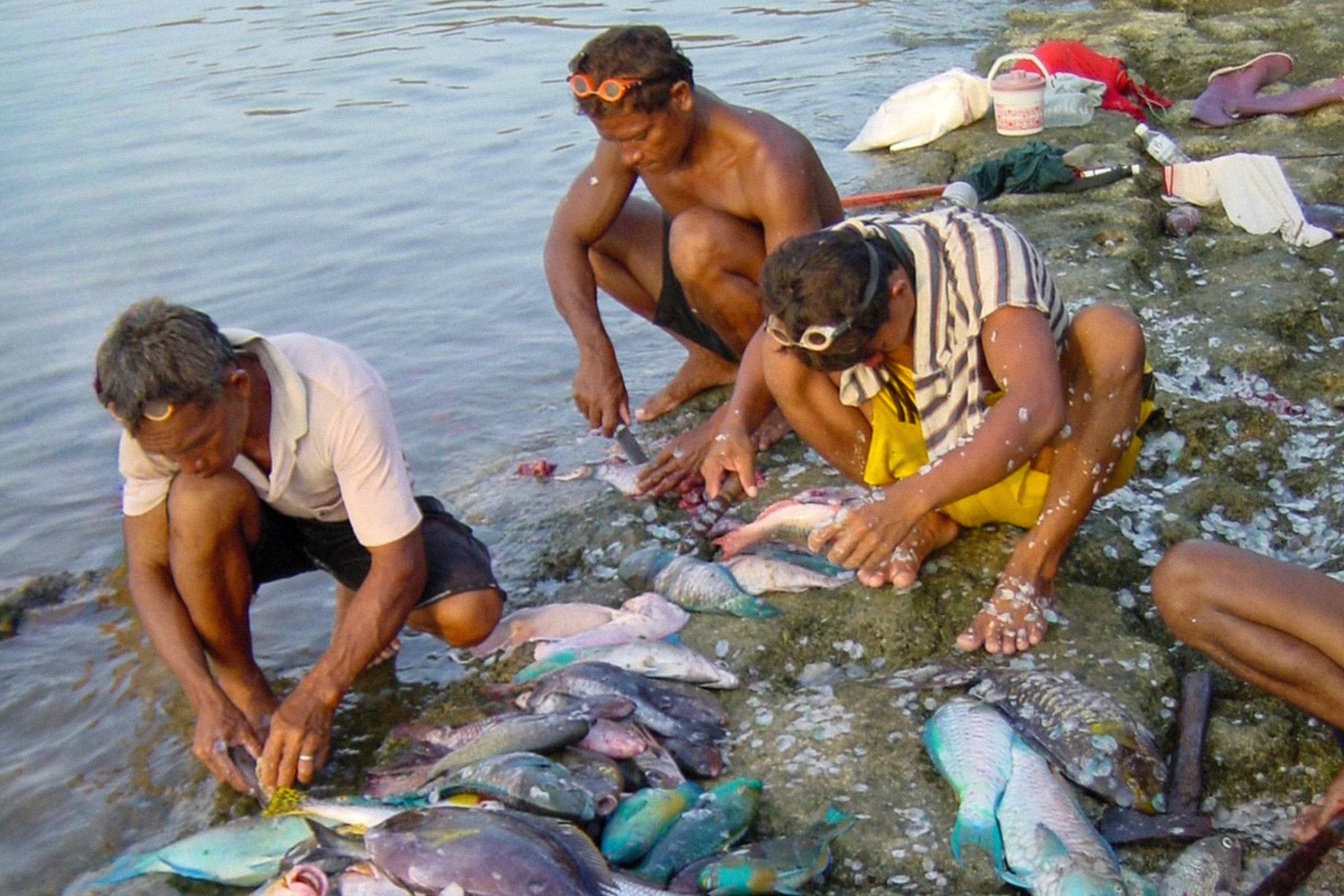
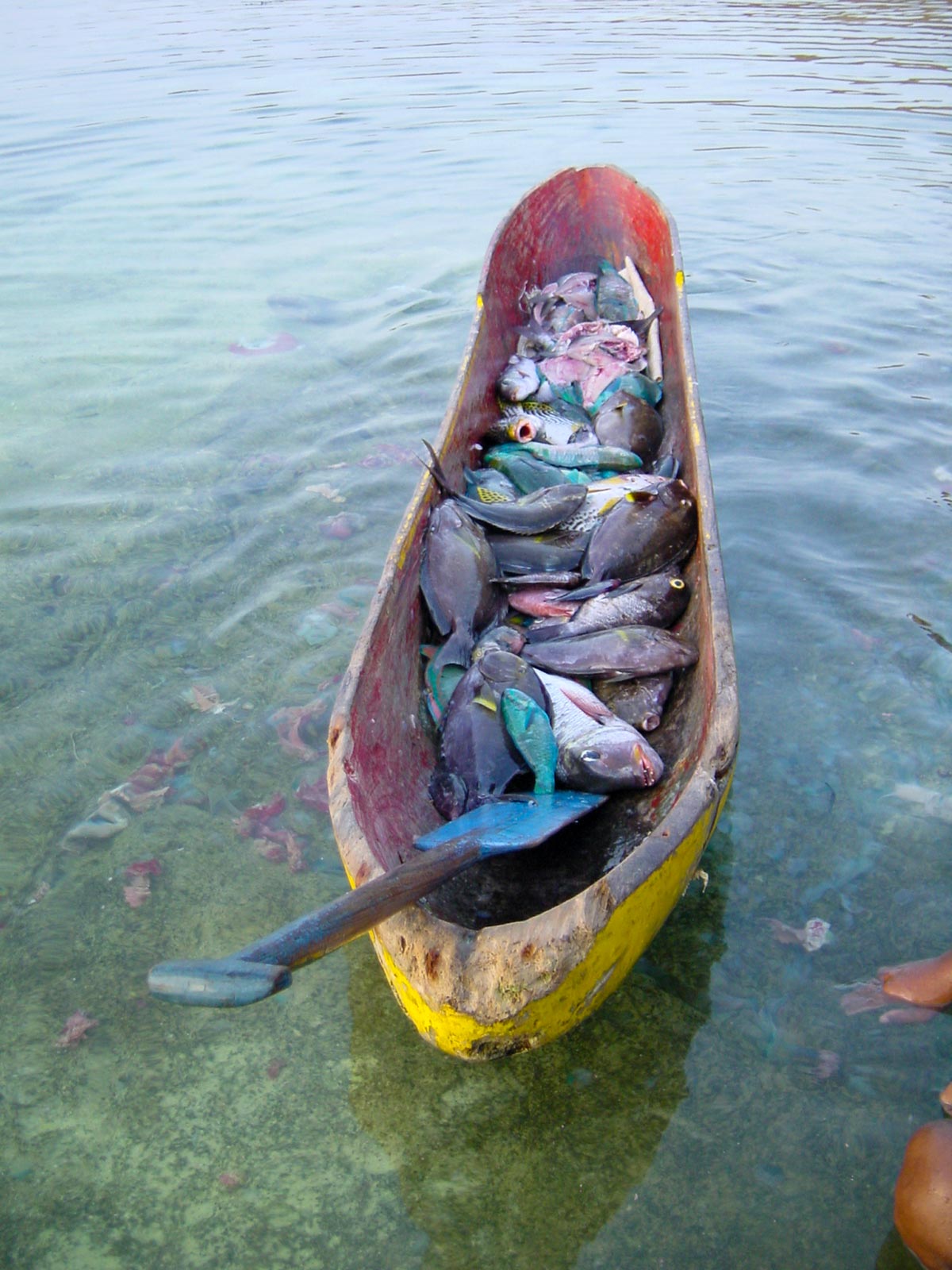
Credit: Joshua Cinner
Measuring What Overfishing Has Cost
“Our study quantifies how much is being lost by having overfished reef fish communities in terms of food provisioning and, in turn, how much could be gained from rebuilding reef fish stocks and managing them at sustainable levels,” explains Jessica Zamborain-Mason, a professor at King Abdullah University of Science and Technology (KAUST) and first author of the recently published paper in the journal PNAS.
By comparing current fish populations with what reefs could support under sustainable management, the researchers were able to estimate the scale of food production that is currently being left unrealized.
Nearly 50 Percent More Fish With Recovery
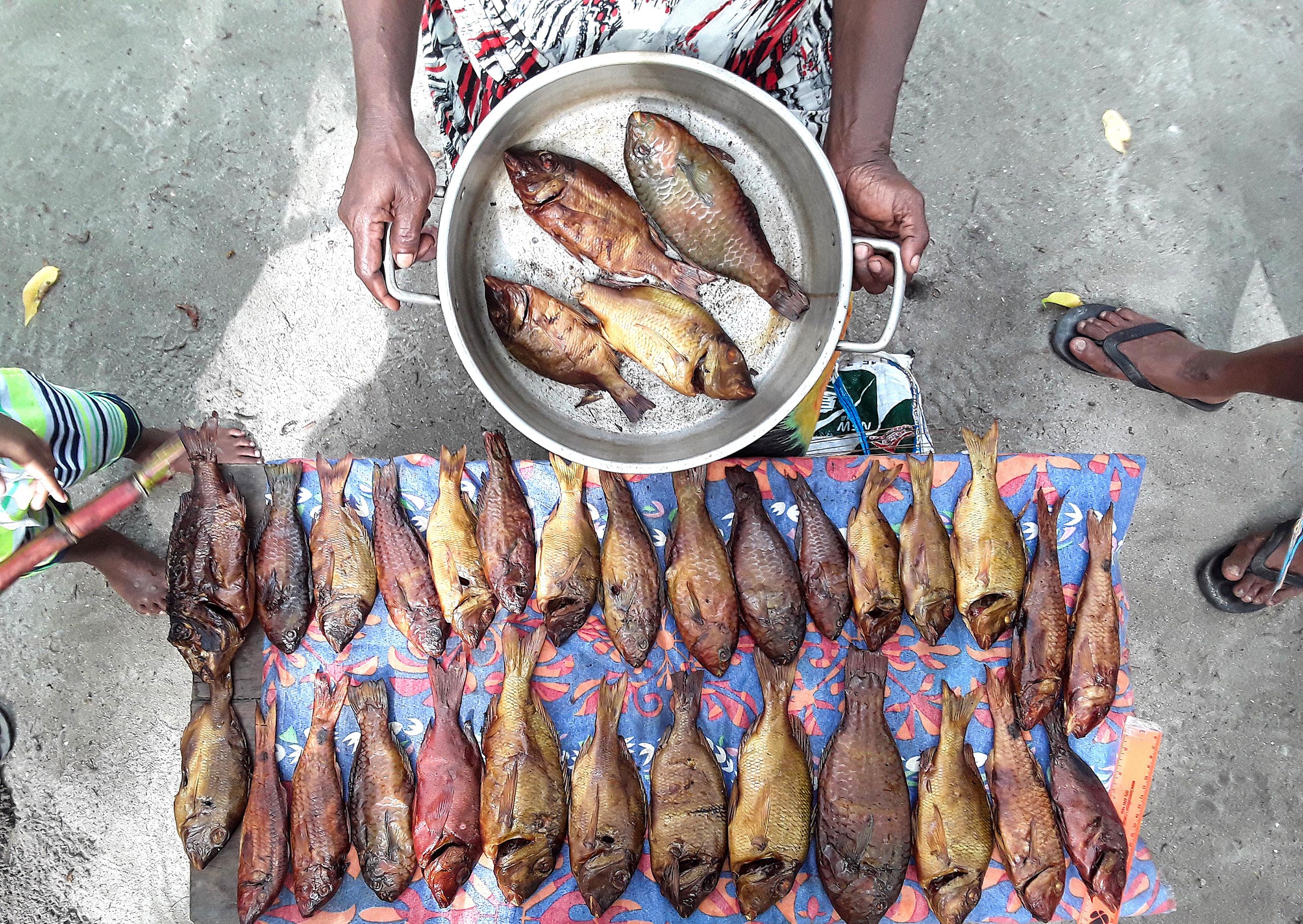
According to the study, coral reefs around the world could increase sustainable fish yields by nearly 50% if fish populations were allowed to rebound. This recovery could result in an additional 20,000 to 162 million sustainable fish servings per country each year. That amount is enough to meet recommended seafood consumption levels for several million people annually, based on a guideline of eight ounces per week per person.
The greatest increases in available food would occur in regions facing the most severe hunger and micronutrient deficiencies. Parts of Africa and Southeast Asia stand out as areas where restored reef fisheries could have the strongest impact. Indonesia, for example, was identified as having the highest potential benefit from rebuilding reef fish populations.
Strong Links Between Hunger and Reef Recovery
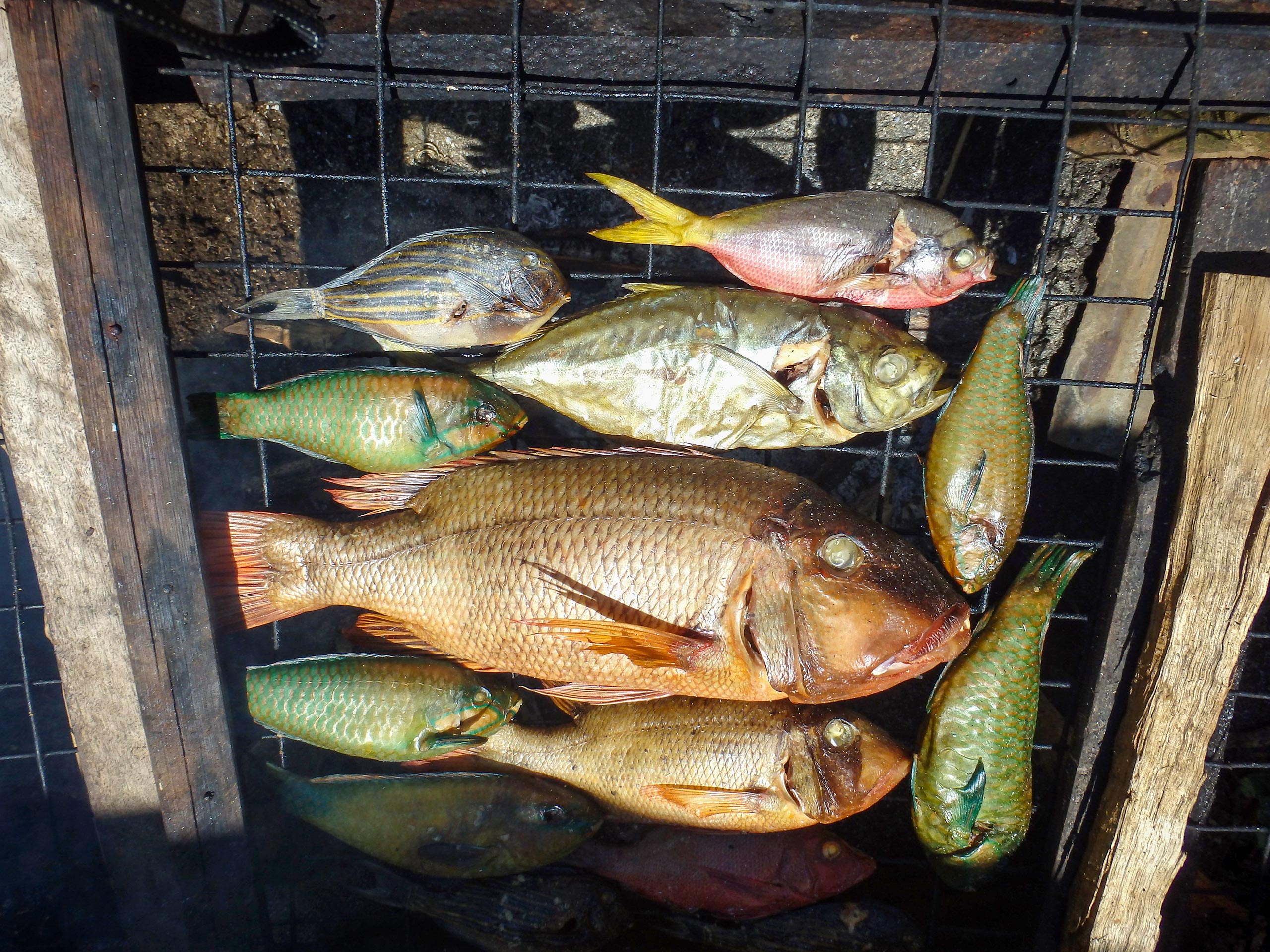
“There is a positive correlation between countries’ potential increase in the number of fish servings with stock recovery and their global hunger index. Therefore, countries with higher malnutrition indexes could benefit more from recovered reef fish stocks,” expressed STRI staff scientist and co-author of the study Sean Connolly.
This relationship highlights how restoring reef fish populations could deliver the most meaningful nutritional gains in places where food insecurity is already widespread.
How Scientists Modeled Reef Fish Recovery
To conduct the analysis, researchers examined data from coral reef regions across the globe. These included territories in countries such as the Dominican Republic, Panama, Jamaica, Kenya, Mauritius, Oman, Jamaica, Madagascar, the Philippines, and Indonesia, among others.
The team used statistical models to estimate current fish populations and projected how much those numbers could increase if overfished reefs were managed more sustainably. They calculated how much fish stocks would need to grow to reach “maximum sustainable yields” and “pretty good yields,” as well as how long recovery might take under different fishing regulations. Recovery times varied depending on how depleted the fish populations were and how strictly fishing was limited, but the researchers estimated an average recovery period ranging from six to 50 years.
Beyond Conservation to Food and Nutrition
Rebuilding coral reef fisheries should not be viewed only as an environmental goal — the study shows it could also be a practical way to improve nutrition and reduce hunger. Achieving these benefits would require effective fisheries management that allows fish populations to grow rather than remain overexploited.
In some regions, making this approach work would also require better management systems, alternative sources of income for fishing communities during recovery periods, and support from international partners. The next challenge for researchers and policymakers is developing strategies that protect marine ecosystems while also supporting the livelihoods of people who depend on them.
“Our findings also reinforce that effective reef fisheries monitoring and management has substantial and measurable benefits beyond environmental conservation; it has food security and public health implications,” explains Zamborain-Mason.
Reference: “Potential yield and food provisioning gains from rebuilding the world’s coral reef fish stocks” by Jessica Zamborain-Mason, Joshua E. Cinner, M. Aaron MacNeil, Maria Beger, David Booth, Sebastian C. A. Ferse, Christopher D. Golden, Nicholas A. J. Graham, Andrew S. Hoey, David Mouillot and Sean R. Connolly, 16 December 2025, Proceedings of the National Academy of Sciences.
DOI: 10.1073/pnas.2508805122
Never miss a breakthrough: Join the SciTechDaily newsletter.
Follow us on Google and Google News.
1 Comment
You will probably have to sink a few illegal Chinese (over) fishing fleets before any recovery is conceivable.
{o.o}