
Researchers have discovered new beetle species, including one with a unique penis resembling a bottle opener, highlighting the role of insect genitalia in species identification. The study raises concerns about biodiversity loss due to climate change and aims to increase awareness and conservation efforts through their findings.
Penises are more prevalent in some lines of work than others. And for researchers who study the biodiversity of insects, penises play a significant role in their daily workload – for good reason.
“Genitalia are the organs in insects that evolve to be different in every species. As such, they are often the best way to identify a species. That’s why entomologists like us are always quick to examine insect genitalia when describing a species. The unique shape of each species’ genitals ensures that it can only reproduce with the same species,” explains biologist Aslak Kappel Hansen of the Natural History Museum of Denmark, whose work entails describing insect species.
Discovering New Beetle Species
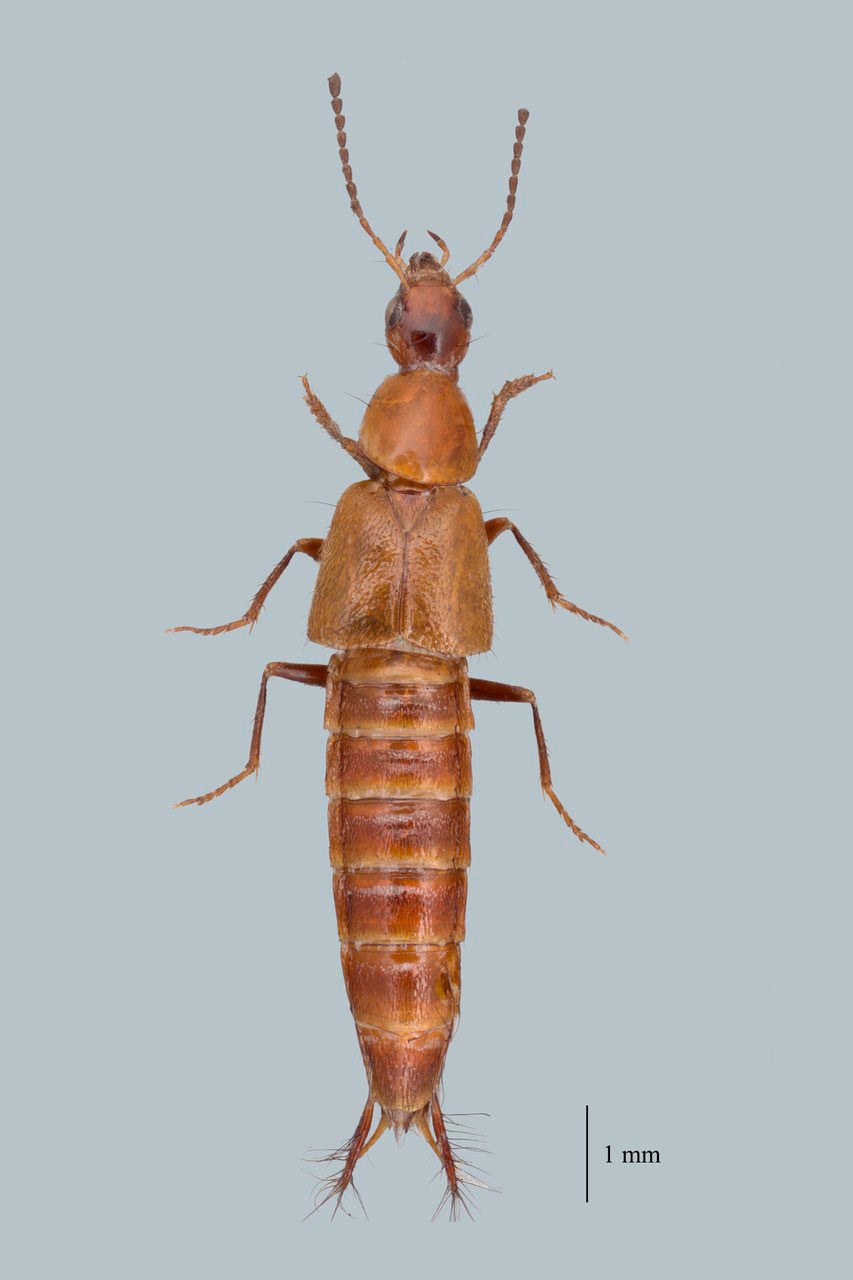
By studying beetle specimens that have been hidden in the Natural History Museum of Denmark and other insect collections of the world for decades, Aslak and colleagues José L. Reyes-Hernández, Josh Jenkins Shaw, and Alexey Solodovnikov have discovered six new species of the rove beetle genus Loncovilius.
The sexual organ of one of the six beetles immediately drew associations among the researchers.
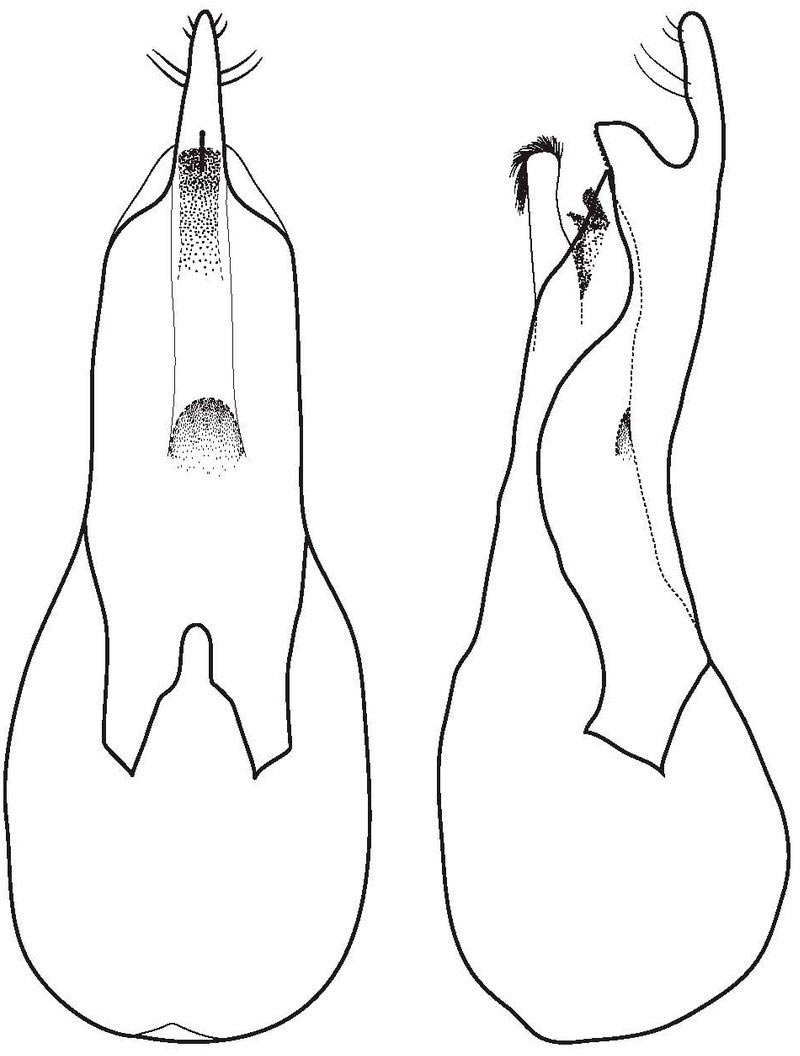
“This species is characterized, among other things, by the fact that the male’s sexual organ is shaped remarkably like a bottle opener. Therefore, we thought it is obvious to dedicate this species to the Carlsberg Foundation, which has generously supported independent research for many years. Their support for various projects, expeditions, or purchase of the scientific instruments at the Natural History Museum of Denmark contributes to the discovery of new species on our planet,” states Aslak Kappel Hansen.
While the researchers have no inkling as to why the penis of this certain beetle evolved as it did, its shape has earned it the name Loncovilius carlsbergi.
About Loncovilius
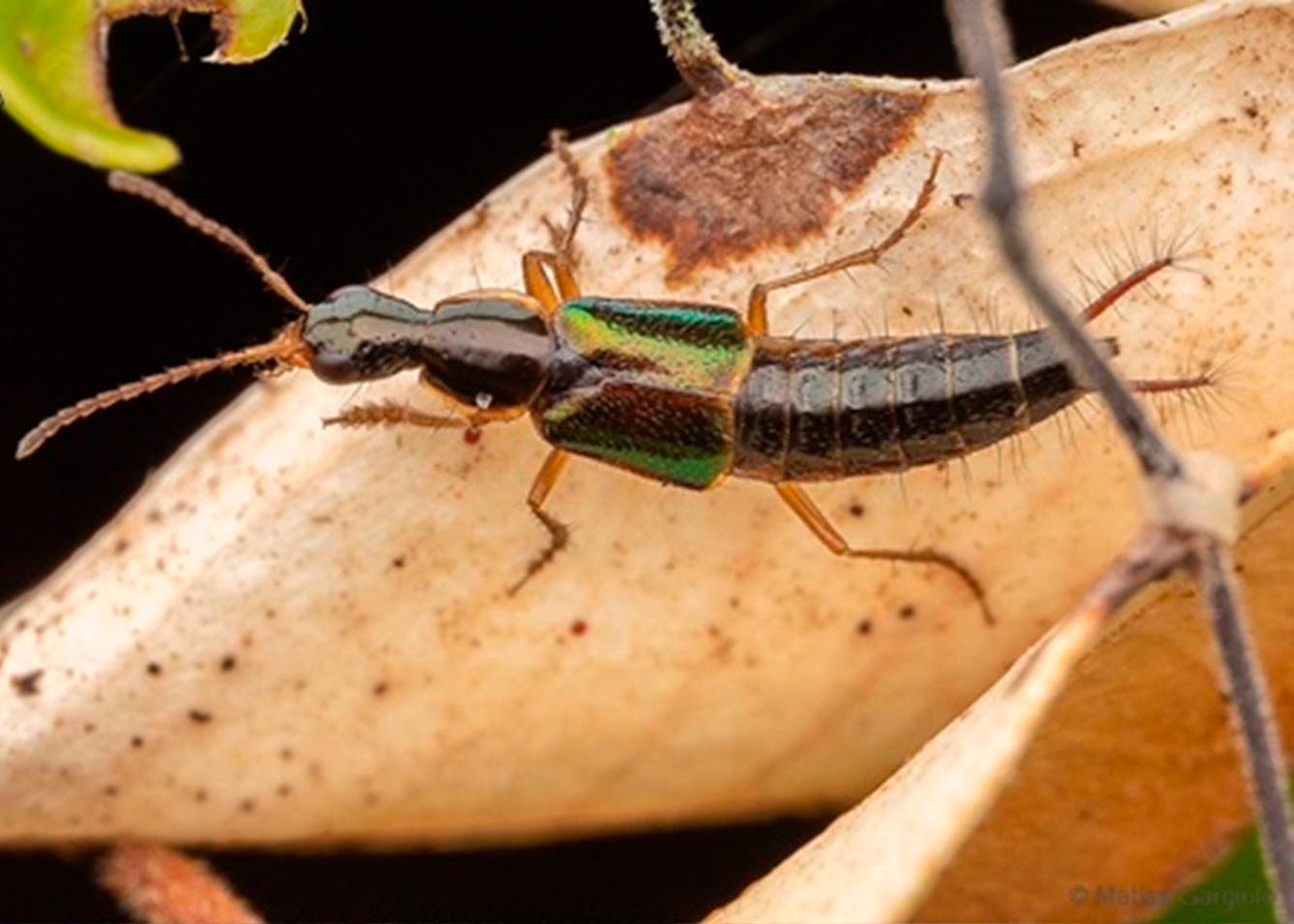
- Loncovilius beetles are about a centimeter long and inhabit areas of Chile and Argentina from lowlands up to 2600 meters high in the mountains.
- One of Loncovilius’ special features is that all of their legs have sticky bristles on them, whereas other predatory beetles only have such bristles on their front legs. Such bristles make it easier for the beetle to stick to things, and the researchers’ guess is that this is how Loncovilius has adapted to being able to climb flowers and vegetation.
- The name Loncovilius was proposed by Chilean entomologist Philibert Germain in 1903 and dedicated to the chief Loncovilo, who fought for his homeland against Spain. Loncovilo means snakehead, which is very appropriate for most Loncovilius species, with their elongated, oval heads that resemble those of snakes.
Impact of Climate Change on Beetle Populations
In general, very little is known about the Loncovilius beetles that live only in Chile and Argentina. But because they live on flowers, they are considered quite special in their family, as the vast majority of predatory rove beetles live on the ground among dead leaves, under bark or on fungi.
“We suspect that they play an important role in the ecosystem. So, it’s worrying that nearly nothing is known about this type of beetles, especially when they’re so easy to spot – and some of them are even quite beautiful. Unfortunately, we can easily lose species like these before they’re ever discovered,” says Josh Jenkins Shaw.
Climate change is exacerbating our planet’s current biodiversity crisis. This will likely affect the newly discovered beetles as well.
“Loncovilius populations are likely to change in coming decades. Our simulations demonstrate that at least three of the Loncovilius species are at risk because the rapidly changing climate strongly alternate more than half of their habitat area by 2060. It is important to stress that many more species will be affected by this change, but we don’t know how because only for four species we had enough data for our analysis.” says José L. Reyes-Hernández, the lead author of the Loncovilius study.
The Urgency of Species Discovery and Conservation
Species are becoming extinct faster than ever. Indeed, up to 150 species are lost from the planet every day. At the same time, the vast majority of Earth’s species including those which vanish, remain unidentified.
“It is estimated that as many as 85% of all species on Earth are still not formally named and described. Many species go extinct without ever having been named or recognized by science and as a consequence by humanity as a whole. A taxonomic name is important because nature conservation relies on knowledge about species in particular areas. Without such a description, species are often left out of conservation efforts,” explains Josh Jenkins Shaw.
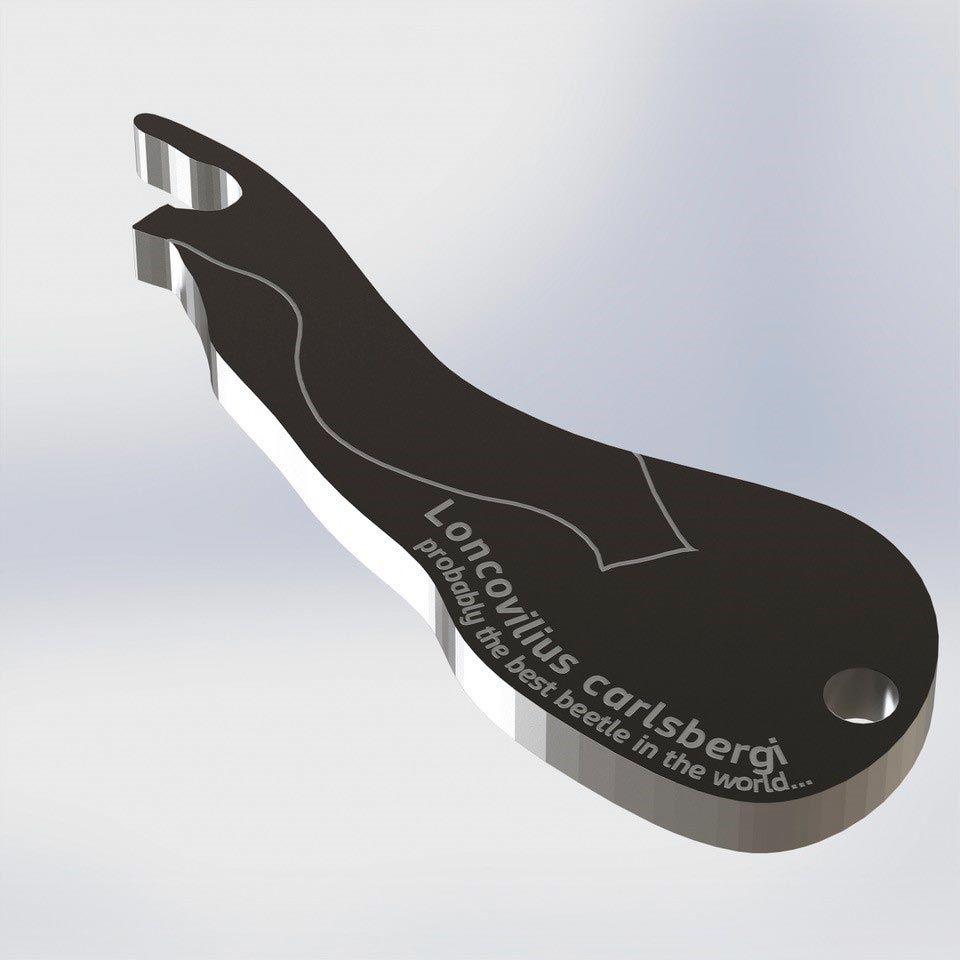
The researchers hope that the penis of Loncovilius carlsbergi might sparkle a broader interest to insects and make a difference. It doesn’t just look like an opener – it can actually pop open a cold beer now! That’s because the researchers had a model of the beetle’s sexual organ made in stainless steel.
“It’s important that we recognize the vast wealth of yet-to-be-researched species around us before it’s too late. We would like for people around the world to talk about the crisis facing our planet’s species. A move towards serious learning and awareness may be sparkled by a light chat that takes place over a beer,” concludes Aslak Kappel Hansen.
The researchers are now working on putting the bottle opener into production.
About the Study
- The research was conducted by José L. Reyes-Hernández, Aslak Kappel Hansen, Josh Jenkins Shaw and Alexey Solodovnikov from the Natural History Museum of Denmark, University of Copenhagen.
- The Natural History Museum of Denmark is one of the few institutions worldwide where researchers work to name and describe new species.
- The museum has an estimated more than 5 million insect specimens in its collection and a similar number of other terrestrial arthropods. Out of a total more than one million insect species known on our planet, about 100,000 species are represented in these collections. Plus, there are many species in the collection that are new to science but remain to be studied, named and described.
- The research article on the six new species has been published in the Zoological Journal of the Linnean Society.
Reference: “Phylogeny-based taxonomic revision and niche modelling of the rove beetle genus Loncovilius Germain, 1903 (Coleoptera: Staphylinidae: Staphylininae)” by José L Reyes-Hernández, Aslak Kappel Hansen, Josh Jenkins Shaw and Alexey Solodovnikov, 28 October 2023, Zoological Journal of the Linnean Society.
DOI: 10.1093/zoolinnean/zlad143
Never miss a breakthrough: Join the SciTechDaily newsletter.
Follow us on Google and Google News.
2 Comments
It would be more interesting if the article included a description of the female genitalia and an explanation of the purpose behind the unusual shape of the penis.
I’m longing for the day when they can replace my original equipment with the equivalent of a Swiss army knife. Imagine the scene. . . “Yes, darling – and when I’m not using it for fun like this, it’s a boon for opening beer and wine bottles!”.