
Close Menu
    Facebook X (Twitter) Instagram
    SciTechDaily
    • Biology
    • Chemistry
    • Earth
    • Health
    • Physics
    • Science
    • Space
    • Technology
    Facebook X (Twitter) Pinterest YouTube RSS
    SciTechDaily
    Home»Health»Disturbing Truth: Opioids Dominate as Primary Cause of Poisoning Deaths in Children
    Health

    Disturbing Truth: Opioids Dominate as Primary Cause of Poisoning Deaths in Children

    By Children's Hospital of PhiladelphiaMarch 9, 20231 Comment5 Mins Read
    Facebook Twitter Pinterest Telegram LinkedIn WhatsApp Email Reddit
    Share
    Facebook Twitter LinkedIn Pinterest Telegram Email Reddit
    Opioid Drug Addiction Death Concept
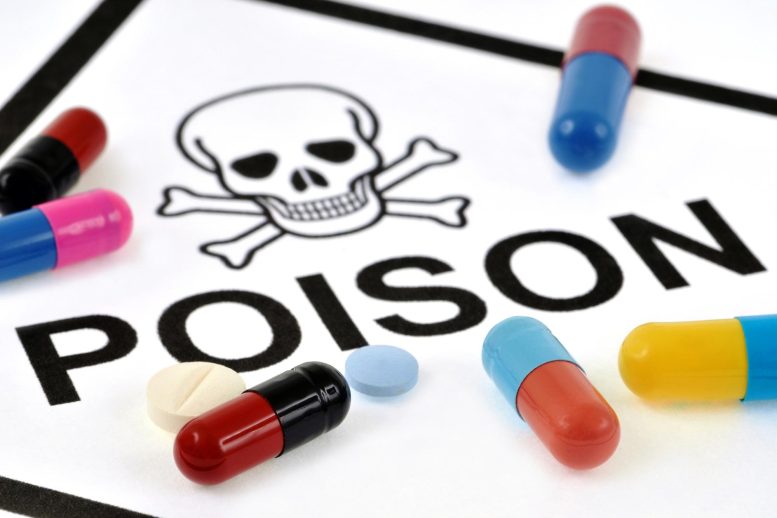
    A study conducted by researchers from Children’s Hospital of Philadelphia (CHOP) found that opioids were responsible for more than half of all fatal poisonings in children under the age of 5, a number that has more than doubled since 2005. The study also highlights that over-the-counter drugs still contribute to fatal poisonings in this age group despite increased regulation. The researchers emphasize the need for improved intervention to prevent further fatal poisonings.

    Rate of Fatal Opioid Poisonings Among Children More Than Doubled Over 13-Year Span

    Over-the-counter drugs also continue to pose fatal risks to young children despite measures to reduce exposure.

    Researchers from Children’s Hospital of Philadelphia (CHOP) found opioids were responsible for more than half of all fatal poisonings in children ages 5 and younger, more than double the proportion of fatal poisonings caused by opioids in 2005. Additionally, over-the-counter drugs still contribute to fatal poisonings in this age group despite increased regulation. The findings, published today in the journal Pediatrics, underscore the need for improved intervention to prevent further fatal poisonings.

    More than half of all reported poisonings affect children ages 5 and younger and have the highest rate of emergency department visits for unintentional drug-related poisonings. While child-resistant packaging for many medicines and hazardous products has substantially decreased the number of unintentional fatal poisonings in young children, the escalating opioid epidemic in the United States has contributed to recent child poisoning deaths.

    Studying fatal poisonings in young children on a broad scale in the U.S. has been challenging for researchers. Every state conducts child death reviews, which investigate how and why these deaths happen and what steps can be taken to prevent them. Child death reviews are conducted by teams that often take a multidisciplinary approach when reviewing pediatric fatalities. The National Center for Fatality Review and Prevention provides resources for these child death reviews and maintains a reporting system that collects data from these committees.

    Hydrocodone Prescription Opioid
    Opioids are a class of drugs that are commonly used to treat pain. They work by binding to specific receptors in the brain and spinal cord to reduce the sensation of pain. Opioids can be prescribed by doctors for short-term pain management after surgery or injury, or for chronic pain conditions like cancer or arthritis. However, they can also be highly addictive and abused. Commonly abused opioids include prescription painkillers like oxycodone and hydrocodone, as well as illegal drugs like heroin. Opioid abuse can lead to a range of negative health effects, including respiratory depression, overdose, and death.

    “By comprehensively assessing fatal poisonings among children at a national level, we were able to better understand the scale of this tragic and preventable public health issue,” said first study author Christopher Gaw, MD, a Pediatric Emergency Medicine Fellow with the Poison Control Center and the Center for Injury Research and Prevention at CHOP. “We were also able to specifically characterize the proportion of poisoning deaths that could be attributed to opioids each year.”

    Findings from the National Fatality Review System

    The study team used data from 40 states participating in the National Fatality Review-Case Reporting System on deaths attributed to poisonings among children 5 years and younger between 2005 and 2018. During that period, 731 poisoning-related fatalities were reported by child death reviews.

    The researchers found that more than two-fifths of these poisoning deaths occurred among children 1-year-old or younger, and more than 65% of these fatalities occurred at home. Nearly one-third of children who died by poisoning were supervised by someone other than a biological parent. Opioids were the most common substance contributing to death, followed by over-the-counter medications for pain, colds and allergies. In 2005, opioids contributed to 24.1% of deaths, but this proportion increased to 52.2% by 2018.

    The authors noted that while initiatives focused on reducing opioid prescribing resulted in a transient reduction in these deaths in the early 2010s, in the past decade, new opioid sources—including heroin and synthetic opioids such as fentanyl—have reversed prior public health gains. Additionally, while medication safety initiatives like unit dose packaging have shown promise in reducing these unintended exposures, the approach does not address all prescription opioids or illicit opioids.

    “It’s clear from these findings that preventing fatal pediatric poisonings requires a multifaceted approach involving caregiver education and community-level interventions,” said senior study author Daniel J. Corwin, MD, MSCE, an attending physician and Associate Director of Research in the Division of Emergency Medicine at CHOP. “One such intervention is improving the availability of naloxone for the public, which can rapidly reverse opioid overdose and is safe and effective for use in children.”

    Reference: “Characteristics of Fatal Poisonings Among Infants and Young Children in the United States” by Christopher E. Gaw, MD, MBE; Allison E. Curry, PhD, MPH; Kevin C. Osterhoudt, MD, MSCE; Joanne N. Wood, MD, MSHP and Daniel J. Corwin, MD, MSCE, 8 March 2023, Pediatrics.
    DOI: 10.1542/peds.2022-059016

    Never miss a breakthrough: Join the SciTechDaily newsletter.
    Follow us on Google and Google News.

    Addiction Children's Hospital of Philadelphia Mortality Opioids Pediatrics Popular
    Share. Facebook Twitter Pinterest LinkedIn Email Reddit

    Related Articles

    Replacing Opioids: Natural Compound Promises Pain Relief Without Addiction

    4th Wave in U.S. Overdose Crisis: 50x Surge in Deaths From Fentanyl Laced Stimulants

    Breaking Free: New Treatment Helps People Stop Using Addictive Opioid Painkillers

    Opioid Epidemic: Teens Rarely Receive Proven Lifesaving Addiction Medication in U.S. Treatment Centers

    Smarter Opioids: A New Approach to Pain Relief Without Addiction

    A Safer Opioid? Scientists Use Sodium To Reduce Harmful Effects of Fentanyl

    Fentanyl Vaccine Breakthrough – Potential “Game Changer” for Opioid Epidemic

    Vitamin D Deficiency Strongly Exaggerates the Craving for and Effects of Opioids – Supplements May Help Combat Addiction

    Researchers Discover New Disease That Prevents Formation of Antibodies

    1 Comment

    1. Hellen nanjala on March 9, 2023 11:03 pm

      I have news I want to share with you guys

      Reply
    Leave A Reply Cancel Reply

    • Facebook
    • Twitter
    • Pinterest
    • YouTube

    Don't Miss a Discovery

    Subscribe for the Latest in Science & Tech!

    Trending News

    Breakthrough Bowel Cancer Trial Leaves Patients Cancer-Free for Nearly 3 Years

    Natural Compound Shows Powerful Potential Against Rheumatoid Arthritis

    100,000-Year-Old Neanderthal Fossils in Poland Reveal Unexpected Genetic Connections

    Simple “Gut Reset” May Prevent Weight Gain After Ozempic or Wegovy

    2.8 Days to Disaster: Scientists Warn Low Earth Orbit Could Suddenly Collapse

    Common Food Compound Shows Surprising Power Against Superbugs

    5 Simple Ways To Remember More and Forget Less

    The Atomic Gap That Could Cost the Semiconductor Industry Billions

    Follow SciTechDaily
    • Facebook
    • Twitter
    • YouTube
    • Pinterest
    • Newsletter
    • RSS
    SciTech News
    • Biology News
    • Chemistry News
    • Earth News
    • Health News
    • Physics News
    • Science News
    • Space News
    • Technology News
    Recent Posts
    • Scientists Print Artificial Neurons That Can Talk to the Brain
    • Bowel and Ovarian Cancers Are Dramatically Rising in Young Adults and Scientists Aren’t Sure Why
    • Alzheimer’s May Begin Decades Earlier Than You Think, New Mayo Clinic Study Finds
    • The Hidden Risk of Taking Breaks From Weight-Loss Drugs Like Ozempic
    • Total Solar Eclipse Made Cities Go Eerily Quiet Beneath the Surface
    Copyright © 1998 - 2026 SciTechDaily. All Rights Reserved.
    • Science News
    • About
    • Contact
    • Editorial Board
    • Privacy Policy
    • Terms of Use

    Type above and press Enter to search. Press Esc to cancel.