

After a catastrophic wildfire and extreme drought tore through Brazil’s Pantanal, something surprising happened—jaguars started pouring into a remote wetland already home to the world’s densest population of these elusive big cats.
Rather than being pushed out, the jaguars stayed, multiplied, and continued hunting fish and caimans, revealing an unexpected resilience. Scientists now believe this flooded wilderness acts as a natural climate refuge—a place where wildlife can endure even as ecosystems burn and vanish around them.
Climate Crisis Sparks Jaguar Migration
After a major wildfire swept through part of Brazil’s wetlands, researchers observed an increase in jaguar activity at a study site already known for having the highest jaguar population density in the world, according to new findings.
“Finding even more jaguars and other mammals in the study area following the 2020 wildfire and extreme drought suggests that it may serve as a climate refuge, buffering the effects of extreme climate events,” said Charlotte Eriksson, a post-doctoral scholar at Oregon State University.
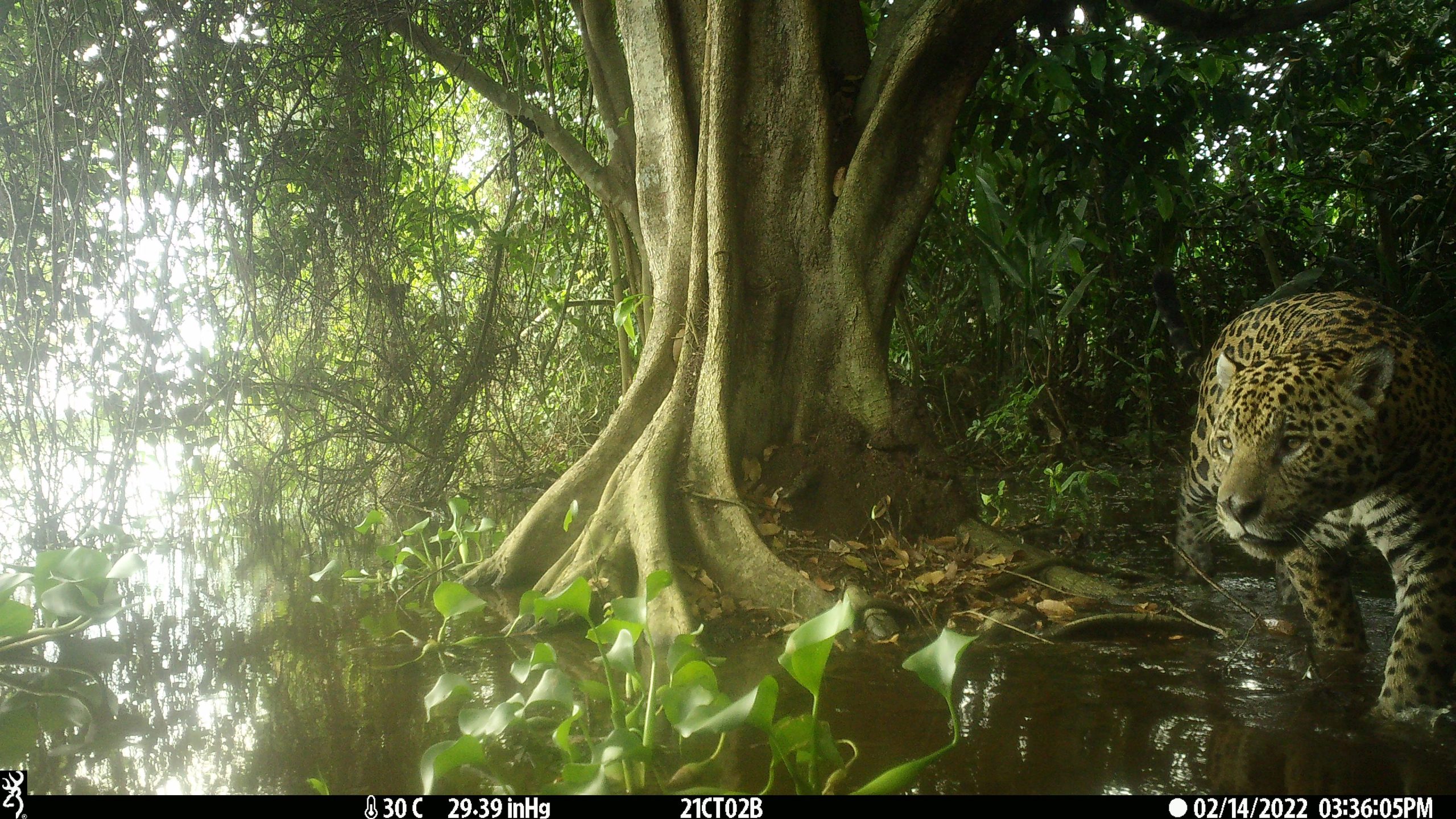
The research took place in a 36,700-acre area of the northern Brazilian Pantanal, the largest freshwater wetland on Earth. This region is protected and experiences seasonal flooding.
Unique Jaguar Behavior and Social Structure
Previous research by Eriksson and colleagues at Oregon State and in Brazil revealed that the jaguars living in this region are distinctive. Unlike most jaguars that hunt land-based prey, these cats feed mainly on aquatic animals such as fish and caimans. They are also more tolerant of one another and more likely to share territory.
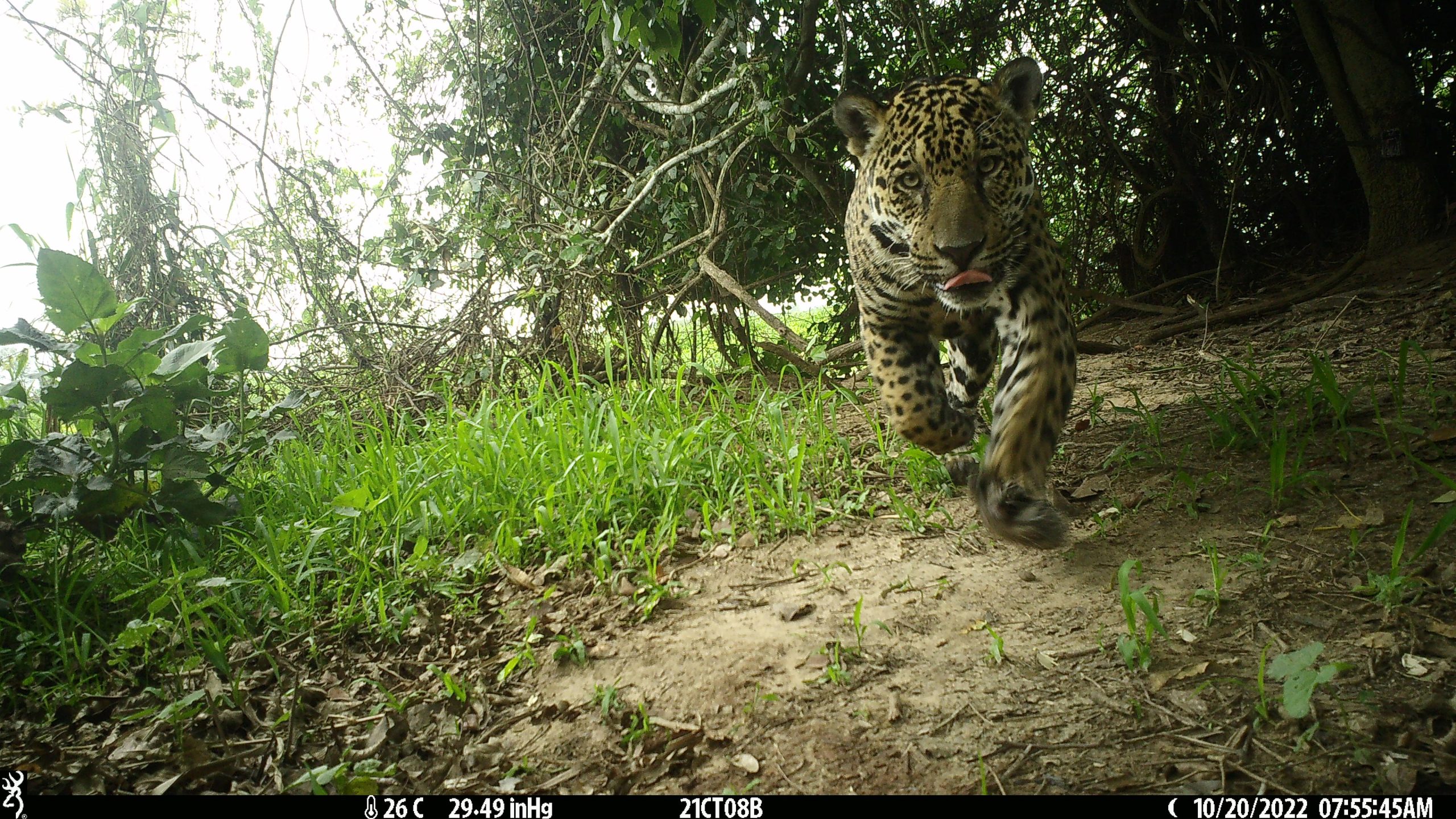
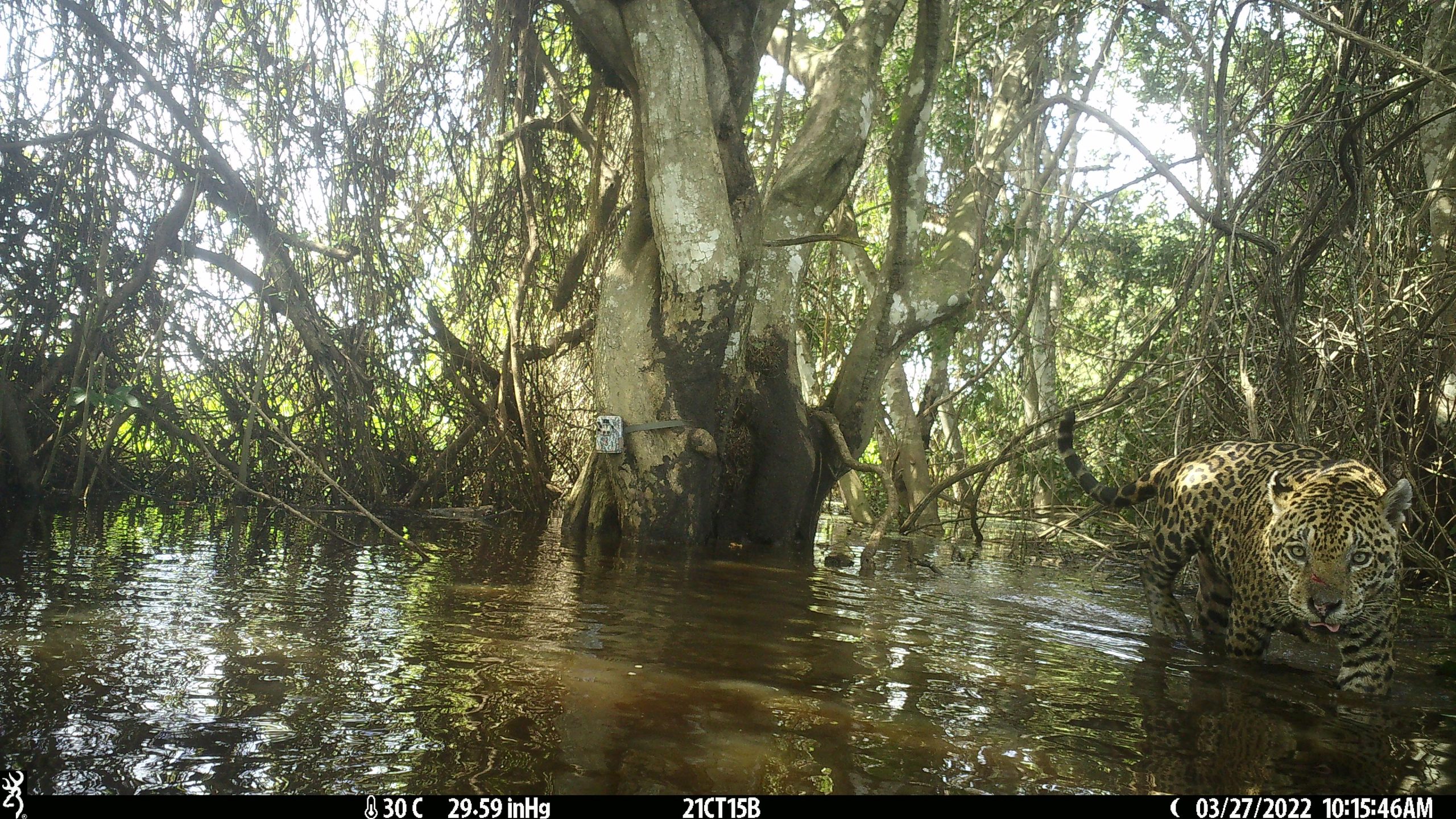
In the latest study, published in Global Change Biology, the research team, who have been monitoring these jaguars since 2014, analyzed video footage captured by field cameras placed before, during, and after the wildfire. They also examined nearly 175 jaguar scats to study changes in their diet.
The study site is extremely remote, with no roads, trails, or human settlements. Reaching it requires a five-hour journey from the nearest town, followed by travel by boat. Due to the dense insect population, researchers must wear full-body protective clothing while in the field.
Years of Commitment to Pantanal Wildlife
Eriksson has been working on the project since 2017, first as a doctoral student in Oregon State Professor Taal Levi’s lab and now as a post-doctoral scholar. She visited the study site in 2018 and 2021.
Jaguars are the most frequently detected mammals detected by the cameras, which is highly unusual for a large, solitary carnivore, Eriksson said. She said that would be similar to most frequently seeing a cougar or mountain lion on cameras in North America, instead of for example deer.
She said that whenever she got off the boat, she would see jaguar tracks. In fact, one of her cameras recorded a jaguar just seven minutes after she set it up.
“I have never been to a place where the presence of a large carnivore is so obvious,” she said.
The 2020 wildfires, driven by extreme drought, extreme temperatures and human activities, burned more than 11 million acres, including half the study site, and caused an estimated loss of 17 million vertebrates.
Study Reveals Jaguar Resilience and Migration
In the just-published paper, the researchers set out to understand the short-term impacts of the fire and long-term effects of drought on the population of jaguars and other mammals and whether the changes were driven by fire, drought or both. Findings included:
- Jaguar activity initially declined post-fire, indicating a short-term impact, but rebounded over time, with a significant increase in abundance and birth of cubs one year after the fire.
- Jaguars living in the area before the fire were sighted at similar rates before and after the fire, indicating that resident jaguars survived the fires and maintained their home ranges, while a large number of immigrant jaguars arrived from other areas, indicating the area served as a climate refuge.
- Richness and abundance of other mammal species increased across the study period, but was more strongly correlated with drought-induced changes than with fire-related impacts because the increase in species richness began in 2018 – before the fire. Researchers also didn’t find a significant difference in species richness between camera sites burned during the fire or not burned.
- Jaguars maintained their specialization on aquatic prey, particularly fish and caiman alligators, despite the increase in mammals, supporting the hypothesis that consumption of aquatic prey reduces predation pressure on land-based mammals.
Protecting Unique Refuges and Planning Ahead
The researchers caution against generalizing their findings to other areas because of the unique nature of this part of the Pantanal, including the fact that parts of it are protected, but they emphasize the importance of maintaining such refugia and implementing proactive fire management.
Reference: “Wildfire and Drought Alter the Ecology of Jaguars and Co-Occurring Mammals in the World’s Largest Wetland” by Charlotte E. Eriksson, Daniel L. Z. Kantek, Selma S. Miyazaki, Brent R. Barry, Claumir C. Muniz, Derick V. S. Campos, Manoel dos Santos-Filho, Carlos A. Peres, Christian N. Berlinck and Taal Levi, 15 July 2025, Global Change Biology.
DOI: 10.1111/gcb.70344
Never miss a breakthrough: Join the SciTechDaily newsletter.
Follow us on Google and Google News.