
Discoveries may lead to novel treatments and enhanced therapies
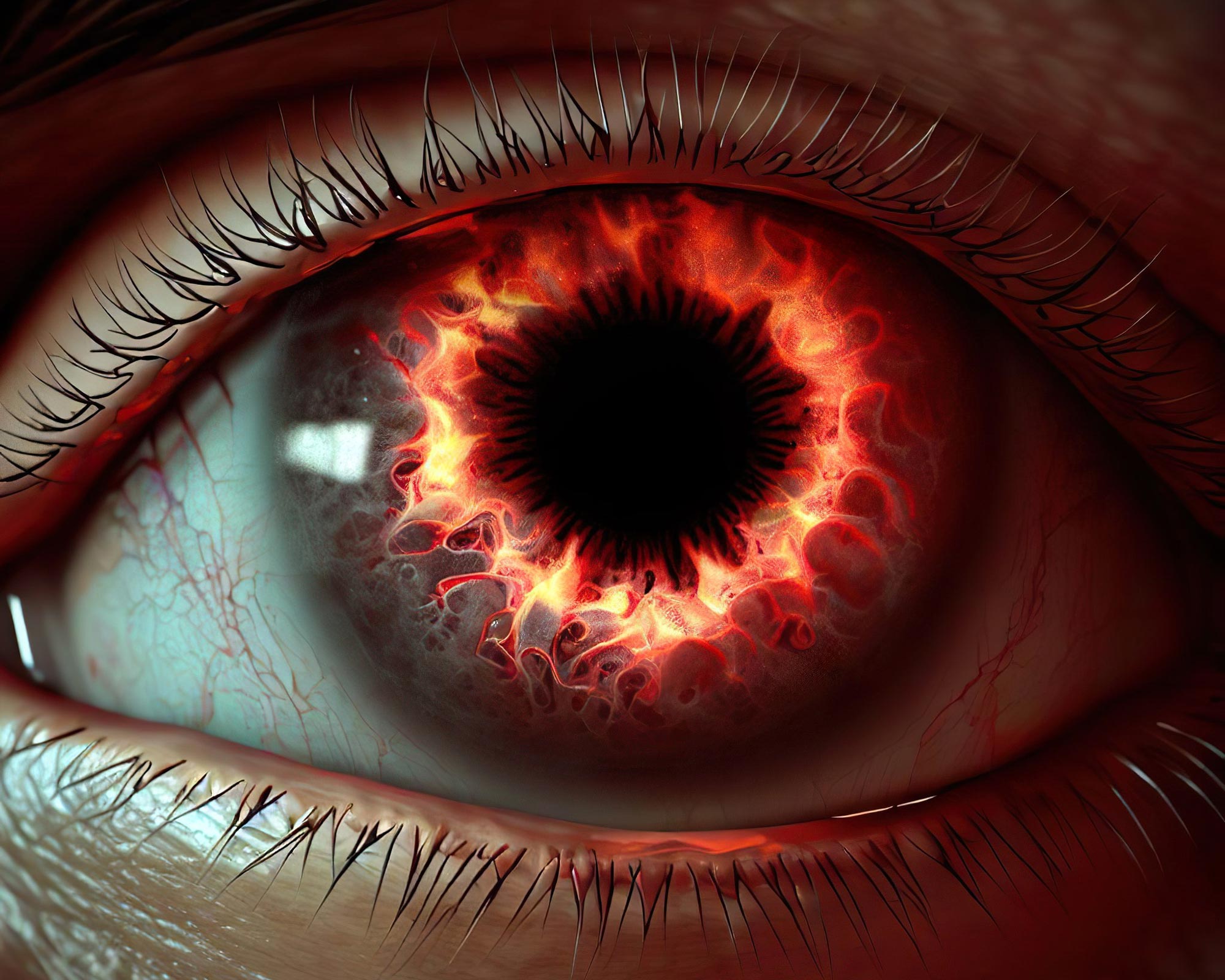
New findings from the University Hospital Bonn (UKB), in collaboration with the University of Bonn, have revealed that specific early alterations in patients with age-related macular degeneration (AMD) can result in noticeable local vision loss. This breakthrough could enhance the treatment and monitoring of this eye condition in elderly patients, which typically progresses to central blindness, and facilitate the testing of new treatments.
AMD mainly affects elderly people. If left untreated, the disease leads to a progressive loss of central vision, which significantly impairs everyday activities such as reading or driving. Researchers around the world are intensively searching for ways to improve the early detection and treatment of this disease before major losses occur.
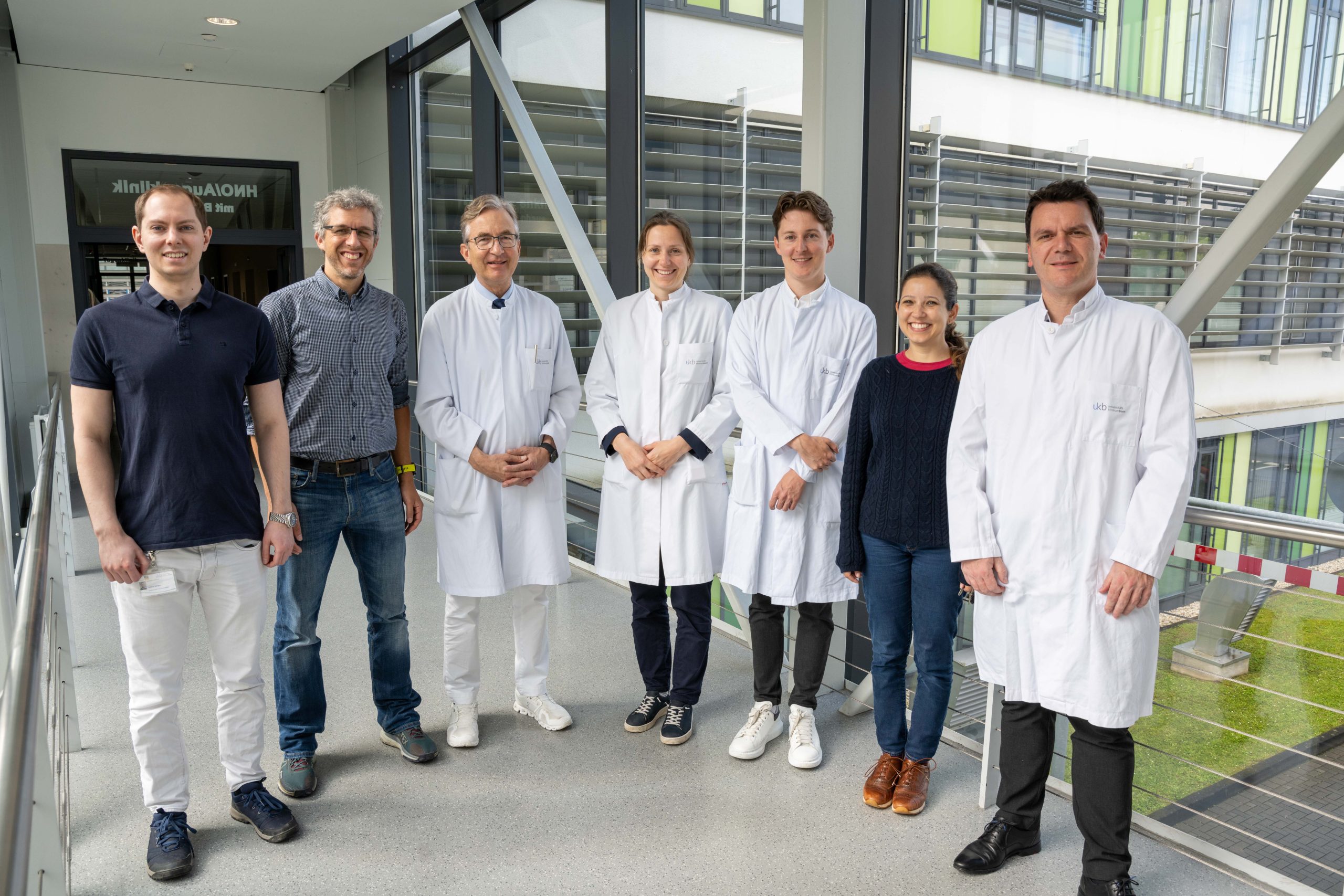
A research team from the UKB Eye Clinic, in cooperation with the University of Bonn and in close collaboration with basic and clinical scientists, has specifically examined patients with early forms of AMD. The researchers focused on the so-called iRORA lesions, which are very early anatomical signs of retinal damage.
“We used the microperimetry method to precisely measure the visual acuity at these affected areas of the retina,” explains Julius Ameln, Dr. Marlene Saßmannshausen, and Dr. Leon von der Emde, who carried out the examinations. This involves measuring the sensitivity of the retina to light stimuli in order to identify visual impairments. As the affected retinal areas are smaller than 250 micrometers, routine clinical devices reach their limits.
Age-Related Macular Degeneration (AMD)
Age-related macular degeneration (AMD) is a common eye condition leading to vision loss in individuals over 50. It affects the macula, the part of the retina responsible for sharp central vision needed for activities like reading and driving. AMD comes in two types: dry and wet. Dry AMD is more common and involves the thinning of the macula and accumulation of drusen, leading to gradual vision loss. Wet AMD is less common but more severe, caused by abnormal blood vessels growing under the retina, which can leak fluid or blood, resulting in rapid vision loss. Symptoms include blurred central vision, difficulty recognizing faces, and straight lines appearing wavy.
Risk factors for AMD include age, family history, smoking, obesity, high blood pressure, light eye color, and prolonged sun exposure. Diagnosis typically involves a comprehensive eye exam, an Amsler grid test, optical coherence tomography (OCT), and fluorescein angiography. While there is no cure for dry AMD, lifestyle changes and dietary supplements (AREDS formula) can slow its progression. Treatments for wet AMD include anti-VEGF injections, laser therapy, and photodynamic therapy. Preventive measures include regular eye exams, quitting smoking, maintaining a healthy diet, managing health conditions, and protecting eyes from UV light. Early detection and management are crucial to preserving vision and quality of life.
Advanced Imaging Techniques
A high-resolution research instrument developed in Bonn, known as an adaptive optics scanning light ophthalmoscope (AOSLO), helps out. “It enables imaging of the retina with microscopic resolution and allows functional testing of small areas down to individual photoreceptors,” says Dr. Wolf Harmening, head of the AOSLO laboratory at the UKB Eye Hospital and member of the Transdisciplinary Research Area (TRA) “Life & Health” at the University of Bonn.
The results were clear: the visual acuity in the areas of the lesions was markedly reduced. With the standard method, the loss was on average 7 units compared to a control region. With the precise AOSLO method, the loss was 20, which corresponds to a reduction in light sensitivity by a factor of 100.
These results illustrate that iRORA lesions already have a significant impact on vision. This early retinal damage could serve as a marker to better monitor the progression of the disease and treat it at an early stage. The results of this study are a further step towards better understanding how the late form of dry AMD develops with the formation of extensive retinal damage.
“Our investigations show that even these early lesions can contribute to a very localized but nonetheless significant deterioration in vision in our patients,” explains Dr. Wolf Harmening. “This makes them a potential marker that can help to better monitor the progression of AMD and treat it at an earlier stage,” adds Prof. Dr. Frank Holz, Director of the UKB Eye Clinic.
Reference: “Assessment of local sensitivity in incomplete retinal pigment epithelium and outer retinal atrophy (iRORA) lesions in intermediate age-related macular degeneration (iAMD)” by Julius Ameln, Marlene Saßmannshausen, Leon von der Emde, Alessandra Carmichael-Martins, Frank G Holz, Thomas Ach and Wolf M Harmening, 1 July 2024, BMJ Open Ophthalmology.
DOI: 10.1136/bmjophth-2024-001638
Never miss a breakthrough: Join the SciTechDaily newsletter.
Follow us on Google and Google News.