
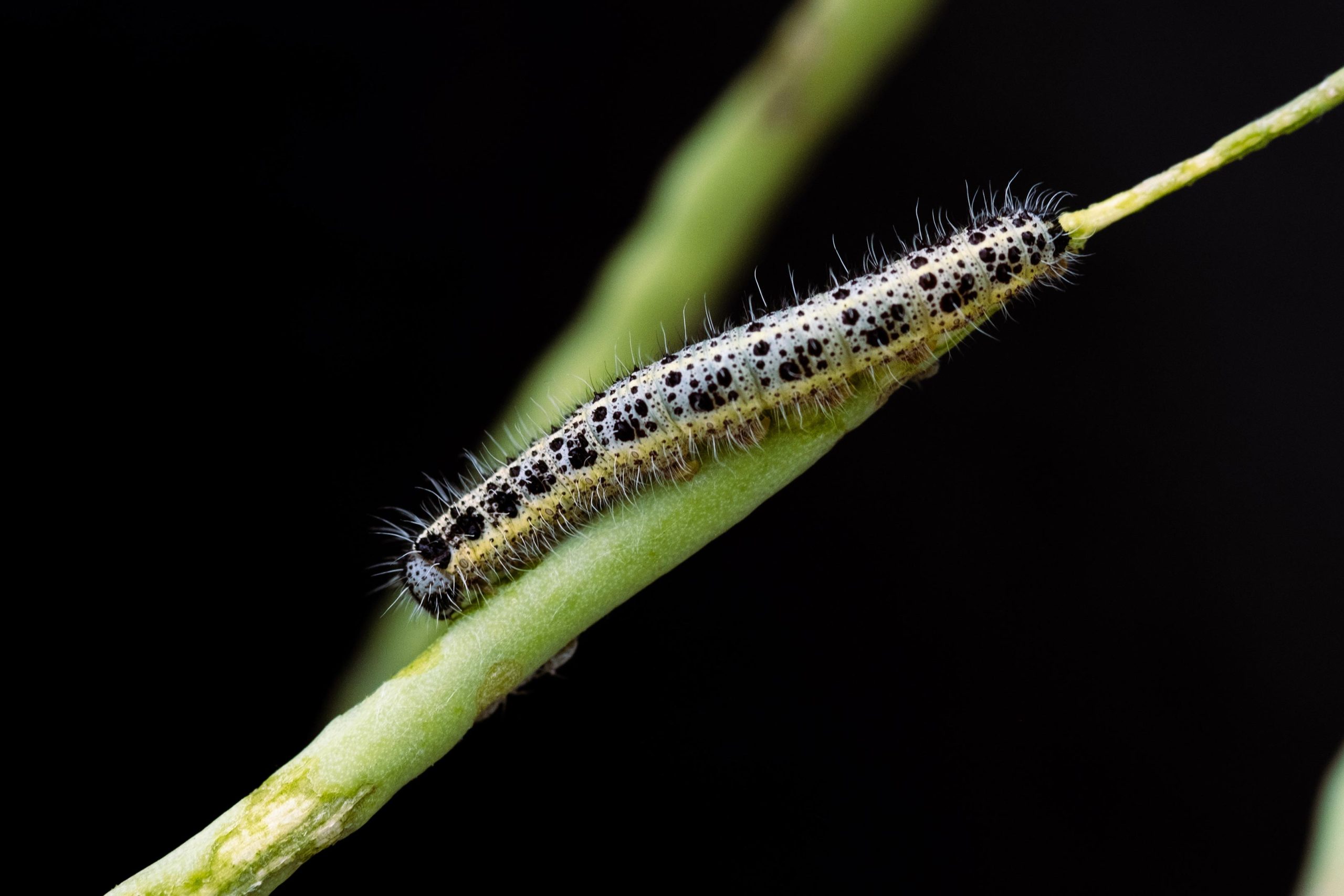
Researchers inoculated rapeseed plants with a species of fungus that is known for its ability to combat pest insects. Utilizing the relationship between beneficial fungi and crop plants may introduce a new era of agriculture where the plant resilience is improved and the ecological footprint of traditional/chemical pesticides is minimized.
A study led by researchers from the University of Turku in Finland has shown that a species of fungus that normally grows in the wild and kills insects can be successfully inoculated in rapeseed (oilseed rape) plants where it fosters a unique symbiotic relationship. The discovery is a step towards a future of sustainable agriculture, for which harnessing the power of beneficial fungi to enhance crop protection and productivity holds great potential.
The researchers used Beauveria bassiana, a species of fungus known for its ability to combat pest insects. It is commonly used as a biopesticide that is sprayed on the leaves of crops. These biopesticides are used around the world, but their weakness has been their vulnerability to UV degradation. This led the researchers to explore an alternative approach where they inoculated rapeseed plants with the fungus to foster a unique symbiotic relationship.
“We embarked on a journey to unlock the potential of Beauveria bassiana in crop protection, while it might live endophytically within the plant tissue. This way, we aimed to create a natural defense mechanism against pests,” explains the first author of the study, Docent Anne Muola from the Biodiversity Unit of the University of Turku.
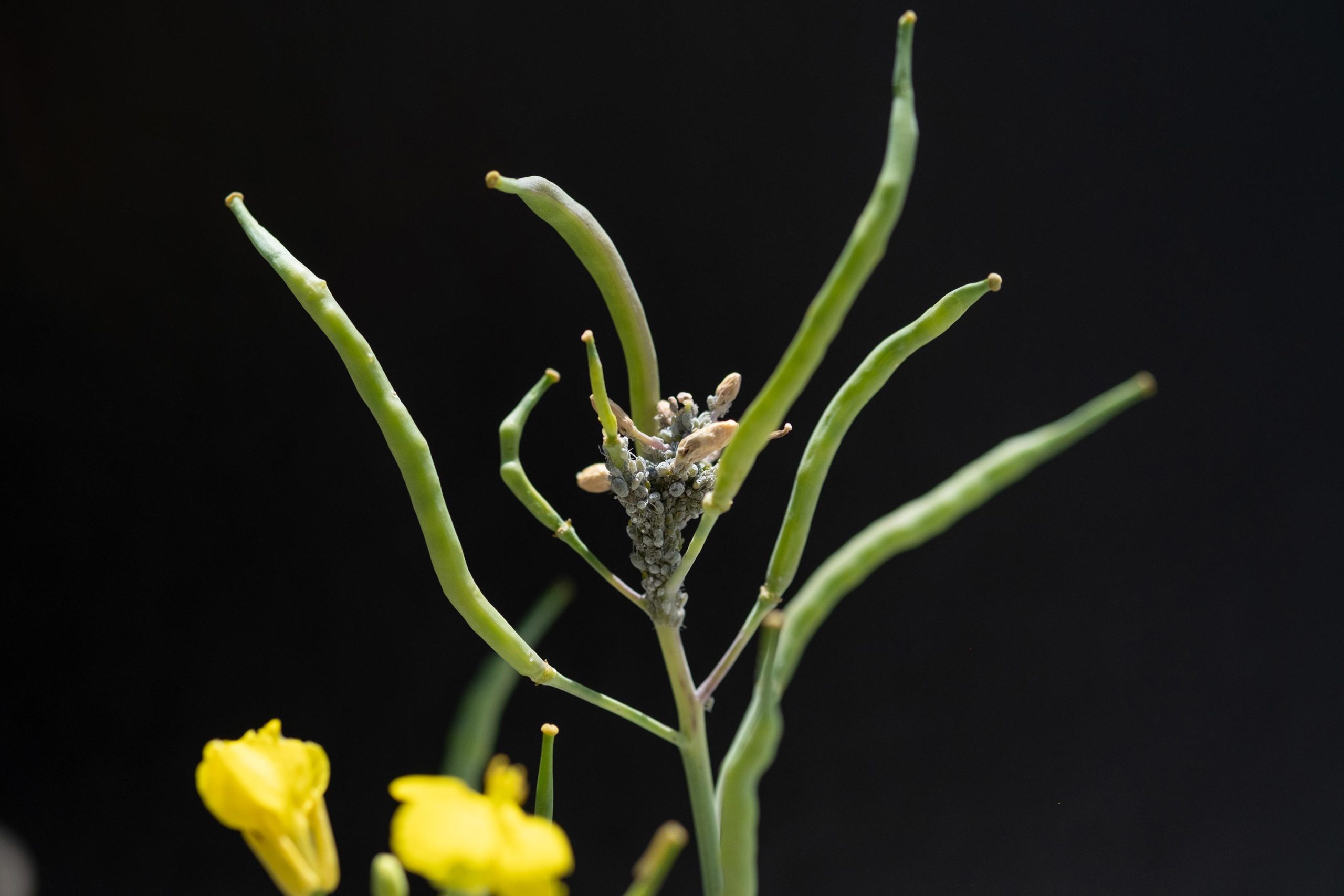
Implications of the Symbiotic Relationship
Researchers made a breakthrough by establishing an endophytic relationship between the fungus and rapeseed plants. The growth of the fungus in the plant tissue triggered a remarkable increase in flavonoid biosynthesis and compounds known for multiple plant benefits including antioxidant properties.
“Our findings suggest that the interaction between the fungus and the plant spurred a positive response in the form of enhanced metabolite production, rather than a defense response against the fungal intruder,” states lead author of the study, Academy Research Fellow Benjamin Fuchs from the Biodiversity Unit of the University of Turku.
Flavonoids produced by the rapeseed plant and renowned for their antioxidant properties and their role in UV protection, flower pigmentation, and herbivore deterrence, took center stage in the study’s results. Next, the researchers aim to find out how great of an impact this particular fungus has on plant resilience against environmental stressors and how it impacts crop quality.
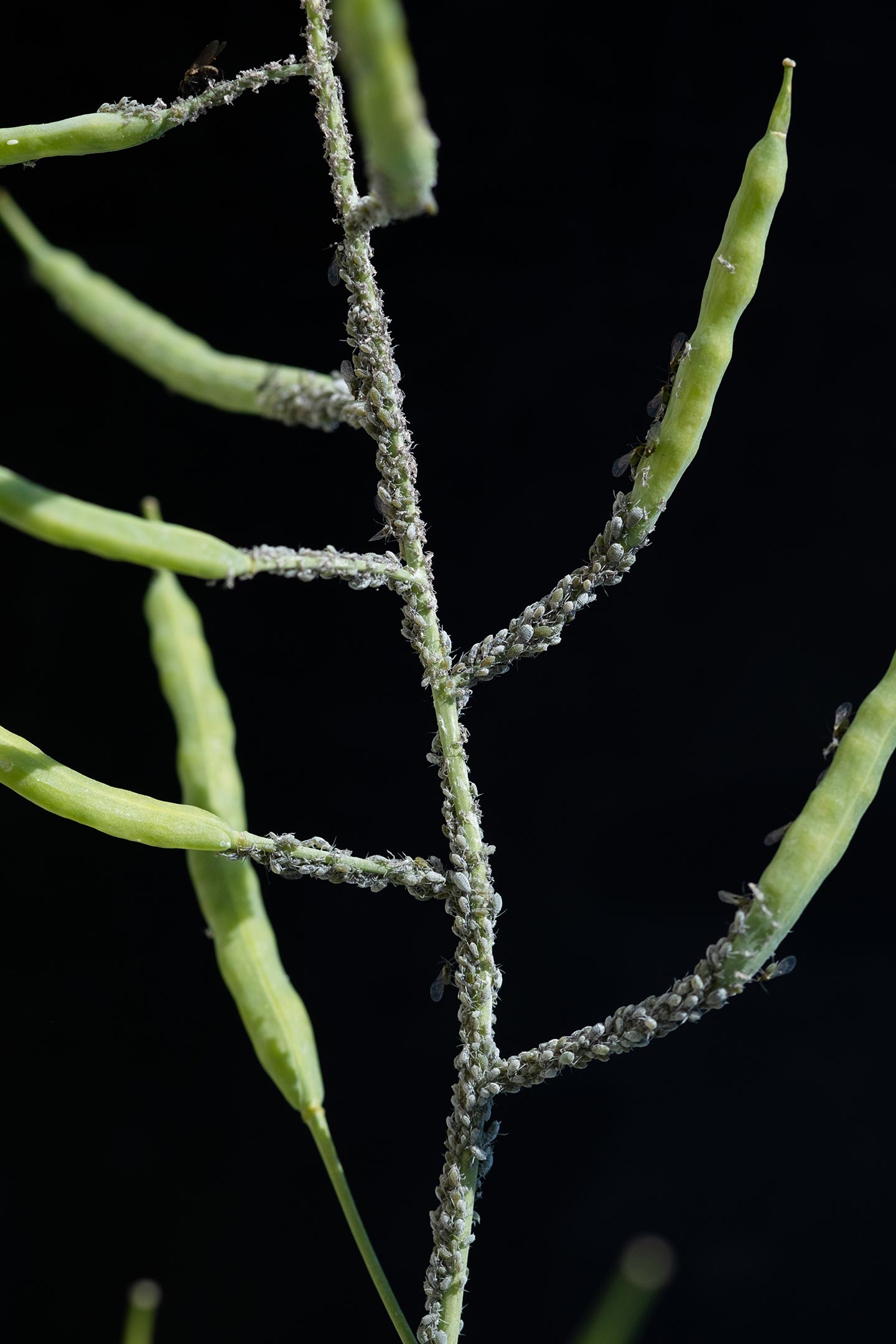
Promising Future for Sustainable Agriculture
“Our study holds immense promise for sustainable agriculture. By embracing the symbiosis between beneficial microbes and crop plants, we’re ushering in a new era of agricultural practices that reduce reliance on chemical pesticides,” says Fuchs.
According to the researchers, partnerships between organisms like the one unveiled in this study offer a glimpse into the future of agriculture where society strives to secure its food supply while minimizing the ecological footprint.
“With the increasing recognition of the role of microbes in plant health and advanced biotechnological tools at hand, the stage is set for innovative approaches to optimize crop resilience and quality on a smart and sustainable path,” notes Fuchs.
The study is part of the EcoStack project in the EU’s Horizon Europe program. The research article was published in the esteemed Pest Management Science journal.
Reference: “Endophytic Beauveria bassiana induces biosynthesis of flavonoids in oilseed rape following both seed inoculation and natural colonization” by Anne Muola, Traci Birge, Marjo Helander, Suni Mathew, Vili Harazinova, Kari Saikkonen and Benjamin Fuchs, 19 July 2023, Pest Management Science.
DOI: 10.1002/ps.7672
Never miss a breakthrough: Join the SciTechDaily newsletter.
Follow us on Google and Google News.