
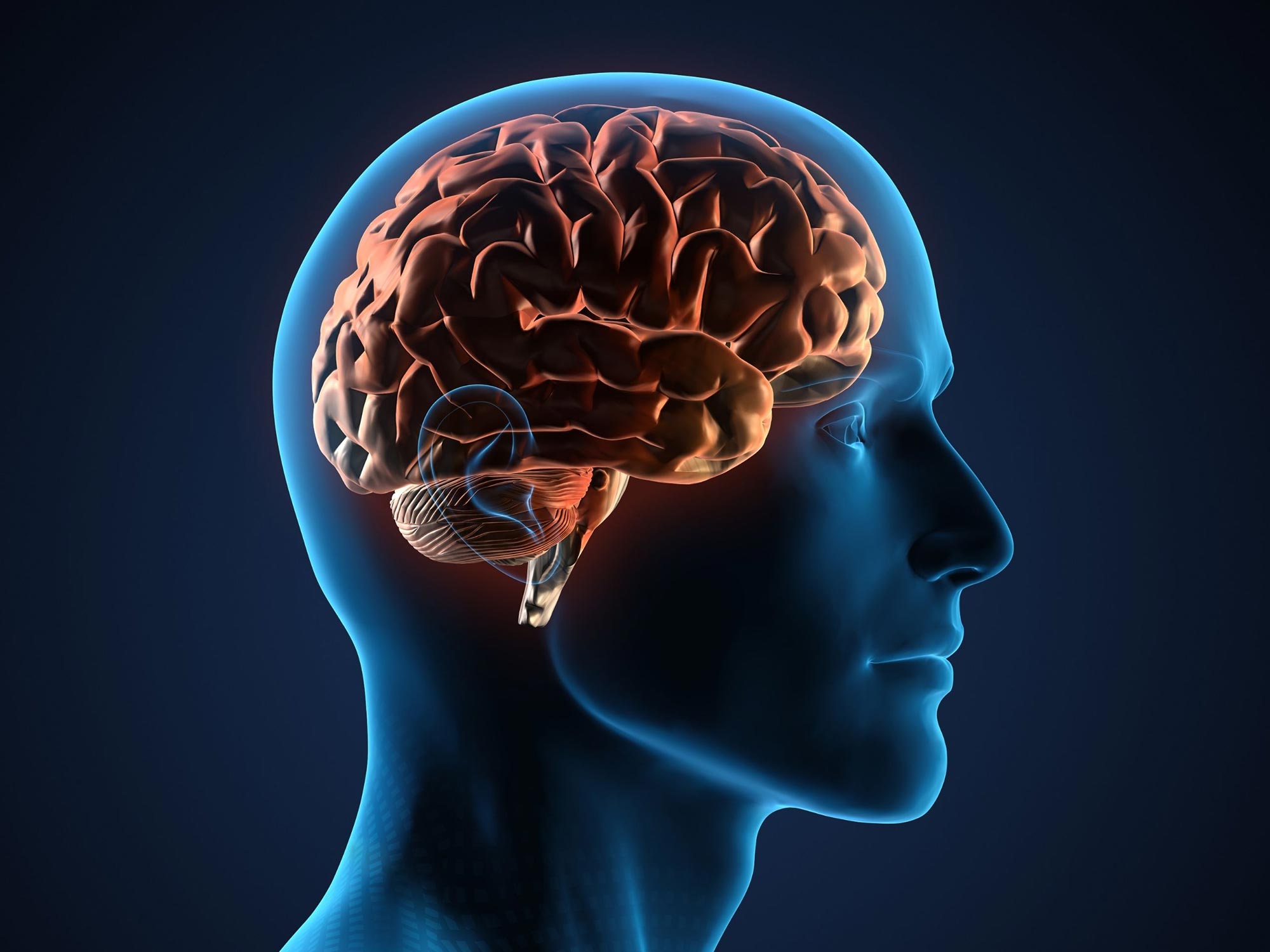
Researchers have developed a pioneering technique to profile gene activity in the living human brain.
Researchers at FutureNeuro, the SFI Research Centre for Translational Brain Science, and RCSI University of Medicine and Health Sciences, in collaboration with international partners, have developed a revolutionary technique to profile gene activity in the living human brain.
This innovative approach, published in JCI Insight, opens new avenues for understanding and treating neurological conditions like epilepsy.
Studying gene activity in the brain without requiring invasive tissue samples from surgery or post-mortem donation has been a long-standing challenge in neuroscience. By analyzing molecular traces – specifically RNA and DNA – collected from electrodes implanted in the brains of patients with epilepsy and linking these with electrical recordings from the brain, the researchers were able to take a ‘snapshot’ of gene activity in the living brain.

These electrodes, clinically used to pinpoint seizure activity in patients enabling surgical interventions, provide a unique opportunity to link brain activity to the genes being switched on or off in specific regions. The study demonstrates how integrating molecular data with electrical recordings of seizures can enhance our understanding of the brain’s seizure networks, potentially improving the precision of epilepsy surgeries.
Broader research
Professor David Henshall, Director of FutureNeuro and Professor of Molecular Physiology and Neuroscience at RCSI, said: “This study represents a significant advancement in epilepsy research, providing a method to detect active genes within the living brain of individuals with epilepsy. This technology has the potential to complement traditional brain imaging and EEG tests that measure electrical activity in the brain, offering valuable insights to guide surgical decision-making in the treatment of those with epilepsy.”
Epilepsy affects approximately 40,000 people in Ireland, with one in three people unable to control seizures through medication. For these individuals, surgical intervention is often the best option, but its success hinges on accurately mapping the regions responsible for seizure activity.
Beyond epilepsy, the study lays the groundwork for broader applications, including research into Alzheimer’s, Parkinson’s, and schizophrenia, where understanding molecular processes in the living brain is vital.
A step forward
The research, led by Professor Henshall and Professor Vijay Tiwari, Professor of Genome Biology at the University of Southern Denmark, also involved a global network of collaborators, including experts from Beaumont Hospital, Blackrock Clinic, Queen’s University Belfast, the University of Southern Denmark, and the Danish Institute for Advanced Study.
It underscores the value of international collaboration and marks a step forward in understanding how our brains function at the molecular level, offering hope for improved diagnosis and care for those impacted by neurological conditions.
Reference: “High-resolution multimodal profiling of human epileptic brain activity via explanted depth electrodes” by Anuj Kumar Dwivedi, Arun Mahesh, Albert Sanfeliu, Julian Larkin, Rebecca A. Siwicki, Kieron J. Sweeney, Donncha F. O’Brien, Peter Widdess-Walsh, Simone Picelli, David C. Henshall and Vijay K. Tiwari, 14 November 2024, JCI Insight.
DOI: 10.1172/jci.insight.184518
This study was funded by the Higher Education Authority (HEA) North-South Research Programme and FutureNeuro.
Never miss a breakthrough: Join the SciTechDaily newsletter.
Follow us on Google and Google News.