
Close Menu
    Facebook X (Twitter) Instagram
    SciTechDaily
    • Biology
    • Chemistry
    • Earth
    • Health
    • Physics
    • Science
    • Space
    • Technology
    Facebook X (Twitter) Pinterest YouTube RSS
    SciTechDaily
    Home»Earth»Hurricanes Have Become More Destructive for USA – Climatic Increase in Frequency of Worst Storms
    Earth

    Hurricanes Have Become More Destructive for USA – Climatic Increase in Frequency of Worst Storms

    By University of CopenhagenNovember 12, 2019No Comments3 Mins Read
    Facebook Twitter Pinterest Telegram LinkedIn WhatsApp Email Reddit
    Share
    Facebook Twitter LinkedIn Pinterest Telegram Email Reddit
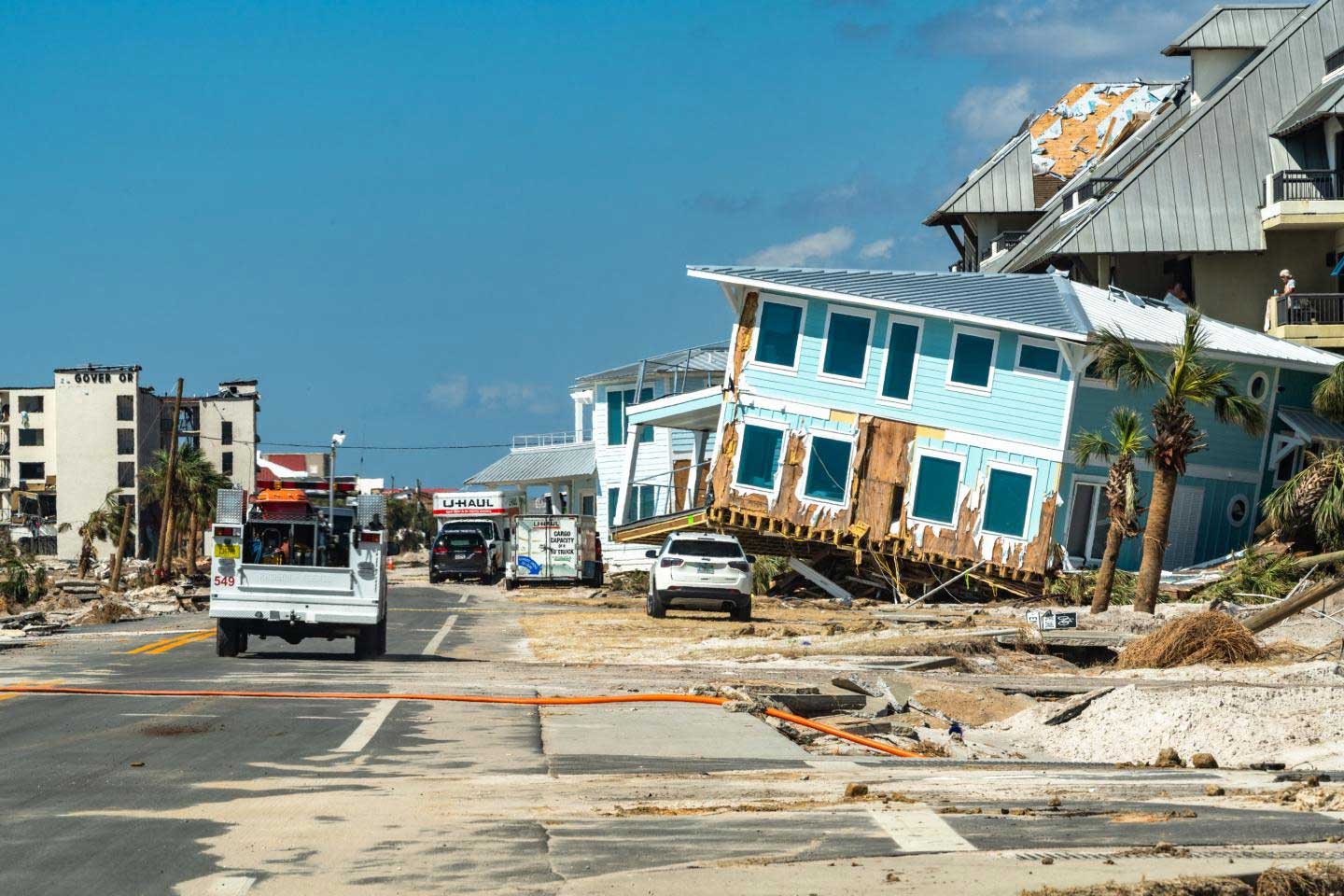
    Aftermath of Hurricane Michael Making Landfall
    An October 14, 2018, view of Mexico Beach, Fla., shows the aftermath of Hurricane Michael making landfall four days earlier. Credit: K.C. Wilsey, FEMA

    A new study by researchers at the Niels Bohr Institute, University of Copenhagen, Aslak Grinsted, Peter Ditlevsen and Jens Hesselbjerg shows that hurricanes have become more destructive since 1900, and the worst of them are more than 3 times as frequent now than 100 years ago. A new way of calculating the destruction, compensating for the societal change in wealth, unequivocally shows a climatic increase in the frequency of the most destructive hurricanes that routinely raise havoc on the North American south- and east coast. The study is now published in PNAS.

    Climate change used to be obscured by the statistical uncertainty

    The traditional way of calculating hurricane damage, in order to be able to compare hurricanes and follow their development over time, was to survey the subsequent cost of the damage done by each hurricane. In other words, what would a hurricane from the 1950s cost, if it made landfall today? Using this method, a typical find is that the majority of the rising tendency in damage can be attributed to the fact that there are more of us and we are more wealthy, and there is quite simply more costly infrastructure to suffer damage. But evidence of a climatic change in destructive force by hurricanes has been obscured by statistical uncertainty.
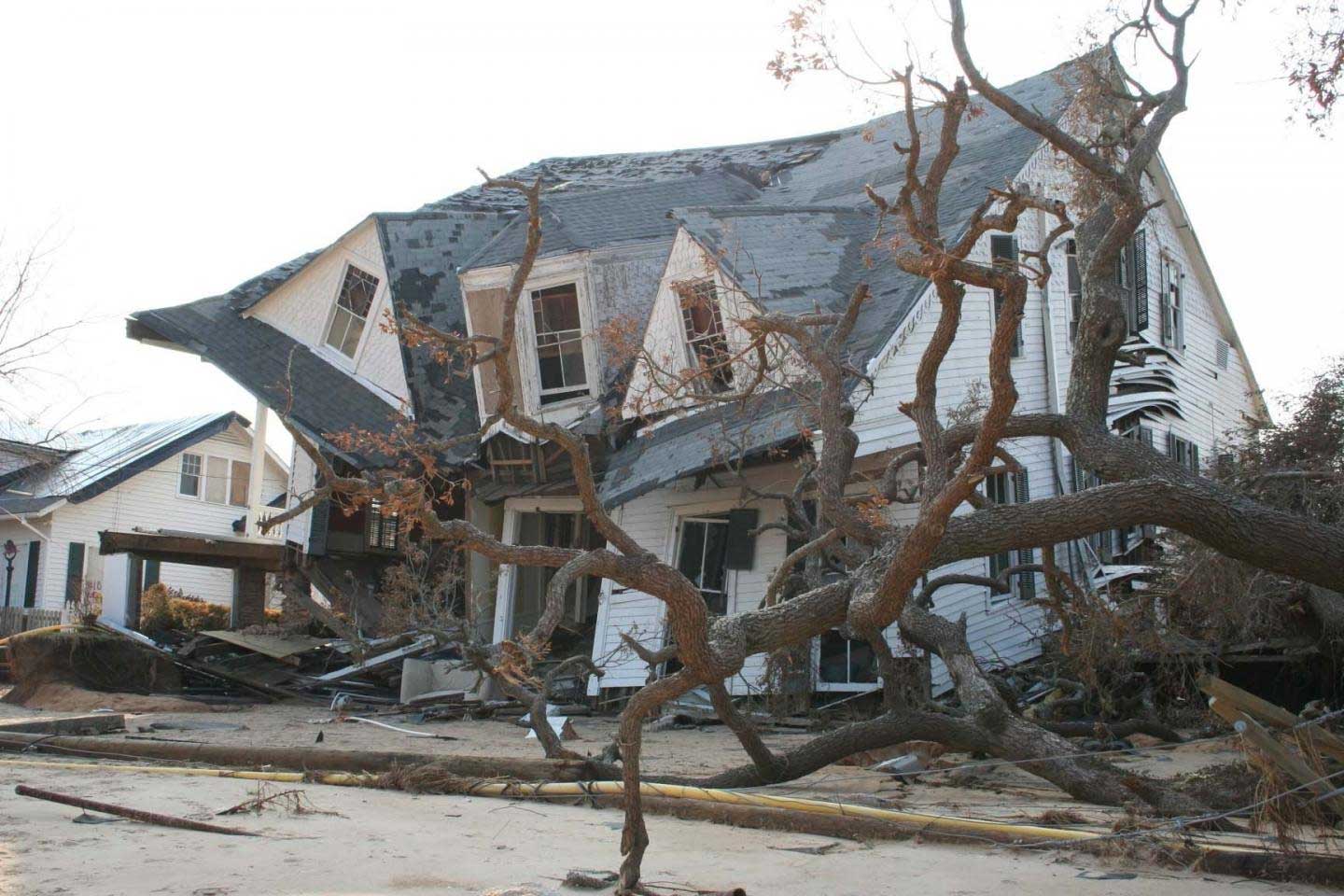
    Destruction Caused by Hurricane Katrina
    Destruction caused by Hurricane Katrina – a collapsed house, downed trees, and downed powerlines. Mississippi. September, 2005. Credit: Barbara Ambrose NOAA/NODC/NCDDC

    Hurricanes are becoming bigger, stronger and more dangerous – an improved calculation method now shows a clear tendency

    Aslak Grinsted has calculated the historical figures in a new way. Instead of comparing single hurricanes and the damage they would cause today, he and his colleagues have assessed how big an area could be viewed as an “area of total destruction.” Meaning how large an area would you have to completely destroy in order to account for the financial loss. Simultaneously, this makes comparison between rural areas and more densely populated areas like cities easier, as the unit of calculation is now the same: The size of the “area of total destruction.”
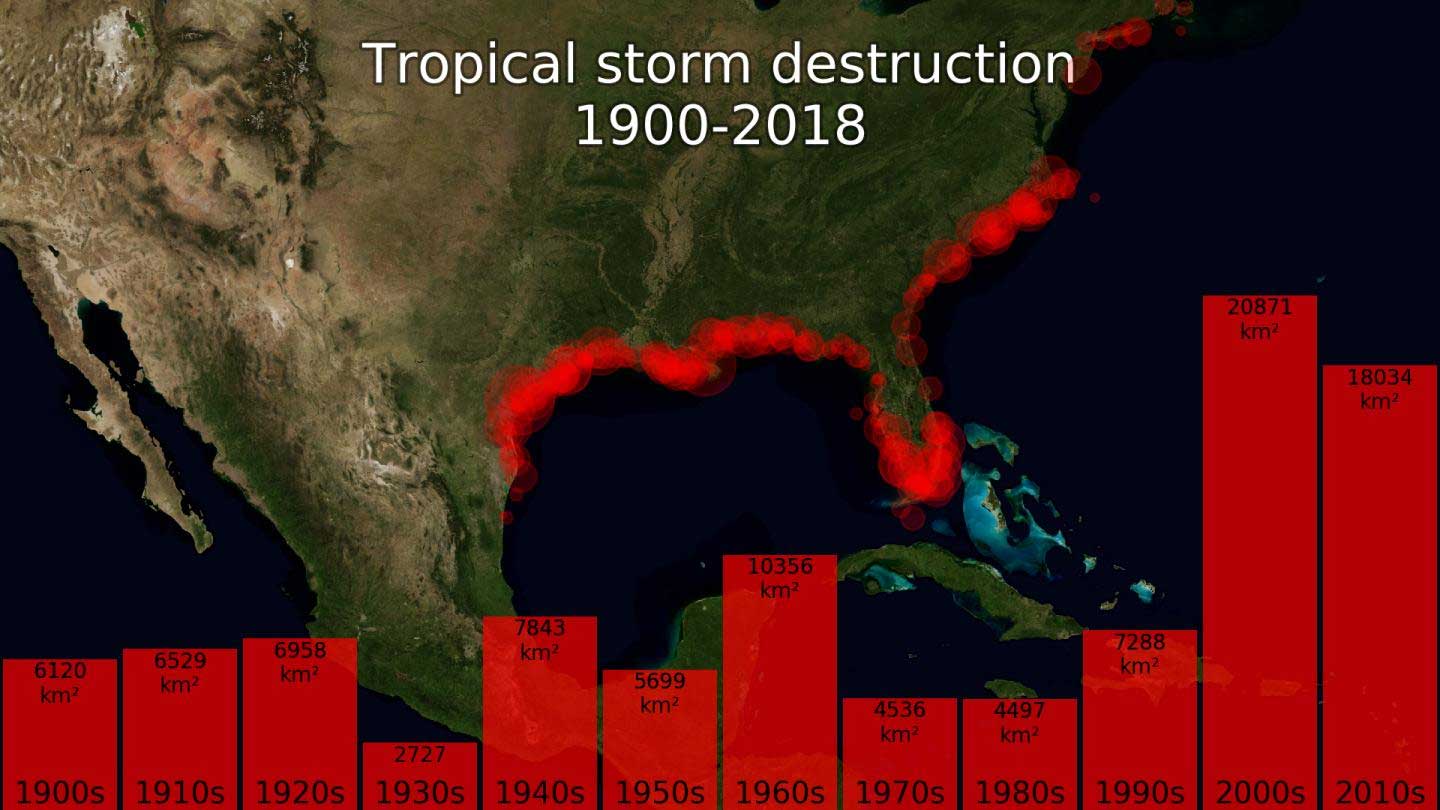
    Tropical Storm Destruction Chart
    Tropical Storm destruction 1900 – 2018 on the North American south- and east coast. Credit: Aslak Grinsted, Niels Bohr Institute

    The climate signal in the new method has suddenly become apparent

    In previous studies, it proved difficult to isolate the “climate signal.” The climate signal should be understood as the effect climate change has had on hurricane size, strength, and destructive force. It lay hidden behind variations due to the uneven concentration of wealth and it was statistically uncertain whether there was any tendency in the destruction. But with the new method this doubt has been eradicated. The weather has indeed become more dangerous on the south- and east coasts of the USA. Furthermore, the result obtained by the research team has turned out to be more congruent with the climate models we use to predict and understand the development of extreme weather. It fits with the physics, quite simply, that global warming has the effect that there is an increase in the force released in the most extreme hurricanes.

    Reference: “Normalized US hurricane damage estimates using area of total destruction, 1900−2018” by Aslak Grinsted, Peter Ditlevsen and Jens Hesselbjerg Christensen, 11 November 2019, Proceedings of the National Academy of Sciences.
    DOI: 10.1073/pnas.1912277116

    Never miss a breakthrough: Join the SciTechDaily newsletter.
    Follow us on Google and Google News.

    Climate Change Hurricane Niels Bohr Institute University of Copenhagen Weather
    Share. Facebook Twitter Pinterest LinkedIn Email Reddit

    Related Articles

    Human Emissions: The Culprit Behind Atlantic Temperature Swings, African Rainfall, and Hurricane Havoc

    The Hottest in 1000 Years – Greenland’s Unprecedented Heat

    We Asked a NASA Scientist: Are Hurricanes Getting Stronger?

    Future Hurricanes and Typhoons Will Roam Over More of the Earth

    Ocean Current System – That Influences Weather Patterns Globally – Seems To Be Approaching a Tipping Point

    Global Warming Warning: Devastating Hurricanes Could Be Up to Five Times More Likely in the Caribbean

    Hurricanes Are Getting Stronger According to Analysis of Long-Term Satellite Imagery

    Worst-Case Scenario 2100 Sea Level Projections

    Researchers at MIT and Yale Predict Climate Change to be a Major Expense in Tropical Storm Damage

    Leave A Reply Cancel Reply

    • Facebook
    • Twitter
    • Pinterest
    • YouTube

    Don't Miss a Discovery

    Subscribe for the Latest in Science & Tech!

    Trending News

    Artificial Sweeteners May Harm Future Generations, Study Suggests

    Splashdown! NASA Artemis II Returns From Record-Breaking Moon Mission

    What If Consciousness Exists Beyond Your Brain

    Scientists Finally Crack the 100-Million-Year Evolutionary Mystery of Squid and Cuttlefish

    Beyond “Safe Levels”: Study Challenges What We Know About Pesticides and Cancer

    Researchers Have Found a Dietary Compound That Increases Longevity

    Scientists Baffled by Bizarre “Living Fossil” From 275 Million Years Ago

    Your IQ at 23 Could Predict Your Wealth at 27, Study Finds

    Follow SciTechDaily
    • Facebook
    • Twitter
    • YouTube
    • Pinterest
    • Newsletter
    • RSS
    SciTech News
    • Biology News
    • Chemistry News
    • Earth News
    • Health News
    • Physics News
    • Science News
    • Space News
    • Technology News
    Recent Posts
    • Geologists Reveal the Americas Collided Earlier Than We Thought
    • 20x Difference: Study Reveals True Source of Airborne Microplastics
    • Scientists Uncover Hidden Force Powering Yellowstone’s Supervolcano
    • This Metal Melts in Your Hand – and Scientists Just Discovered Something Strange
    • Why Losing Too Much Fat Can Be Just As Dangerous as Obesity
    Copyright © 1998 - 2026 SciTechDaily. All Rights Reserved.
    • Science News
    • About
    • Contact
    • Editorial Board
    • Privacy Policy
    • Terms of Use

    Type above and press Enter to search. Press Esc to cancel.