
Close Menu
    Facebook X (Twitter) Instagram
    SciTechDaily
    • Biology
    • Chemistry
    • Earth
    • Health
    • Physics
    • Science
    • Space
    • Technology
    Facebook X (Twitter) Pinterest YouTube RSS
    SciTechDaily
    Home»Science»Neanderthals May Have Used Birch Tar As Ancient Antibiotic, Study Finds
    Science

    Neanderthals May Have Used Birch Tar As Ancient Antibiotic, Study Finds

    By University of CologneMarch 22, 2026No Comments3 Mins Read
    Facebook Twitter Pinterest Telegram LinkedIn WhatsApp Email Reddit
    Share
    Facebook Twitter LinkedIn Pinterest Telegram Email Reddit
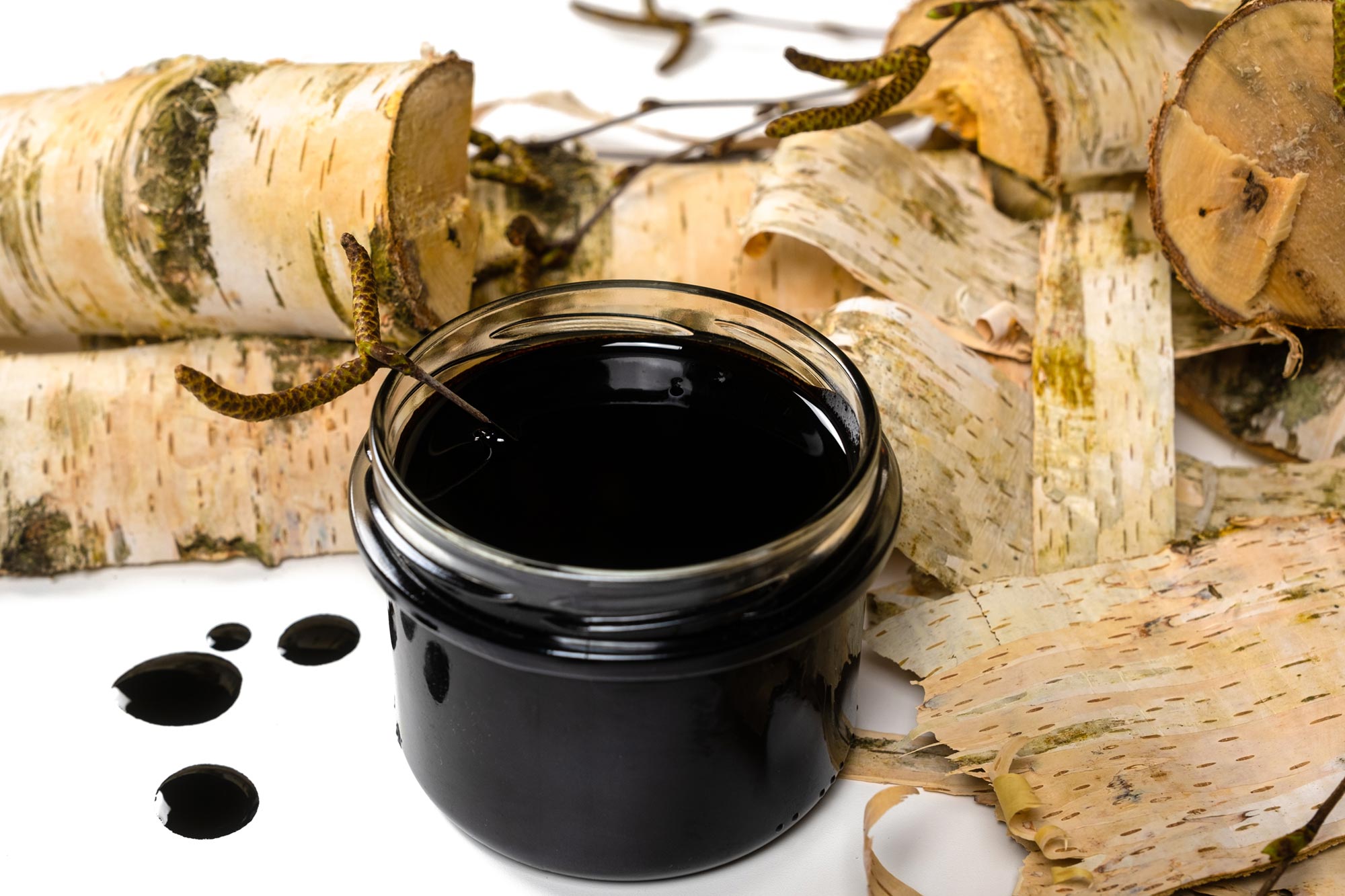
    Birch Tar Pitch Jar
    New research suggests that Neanderthals may have used birch tar for more than toolmaking. Experiments reveal it can inhibit harmful bacteria, raising the possibility that it played a role in early medicinal practices. Credit: Shutterstock

    A new study explores whether birch tar, long associated with Neanderthal toolmaking, may have served another purpose as well.

    In a new study from the University of Cologne, the University of Oxford, the University of Liège, and Cape Breton University in Canada, researchers recreated birch tar using techniques associated with Neanderthals and tested whether it could slow bacterial growth.

    Their results suggest the material may have done double duty in prehistoric life, helping attach stone tools while also offering a way to treat wounds. The study was published in PLOS One.

    That possibility makes birch tar more than a technical material. It raises the question of whether Neanderthals recognized useful healing properties in natural substances and applied them deliberately.

    More Than an Adhesive

    Birch tar is a thick substance made from birch bark and is commonly found at Neanderthal archaeological sites in Europe. Because traces of it are often attached directly to stone artifacts, archaeologists have long thought its main use was as an adhesive for hafting. Hafting is the process of joining separate parts together, such as when making tools.
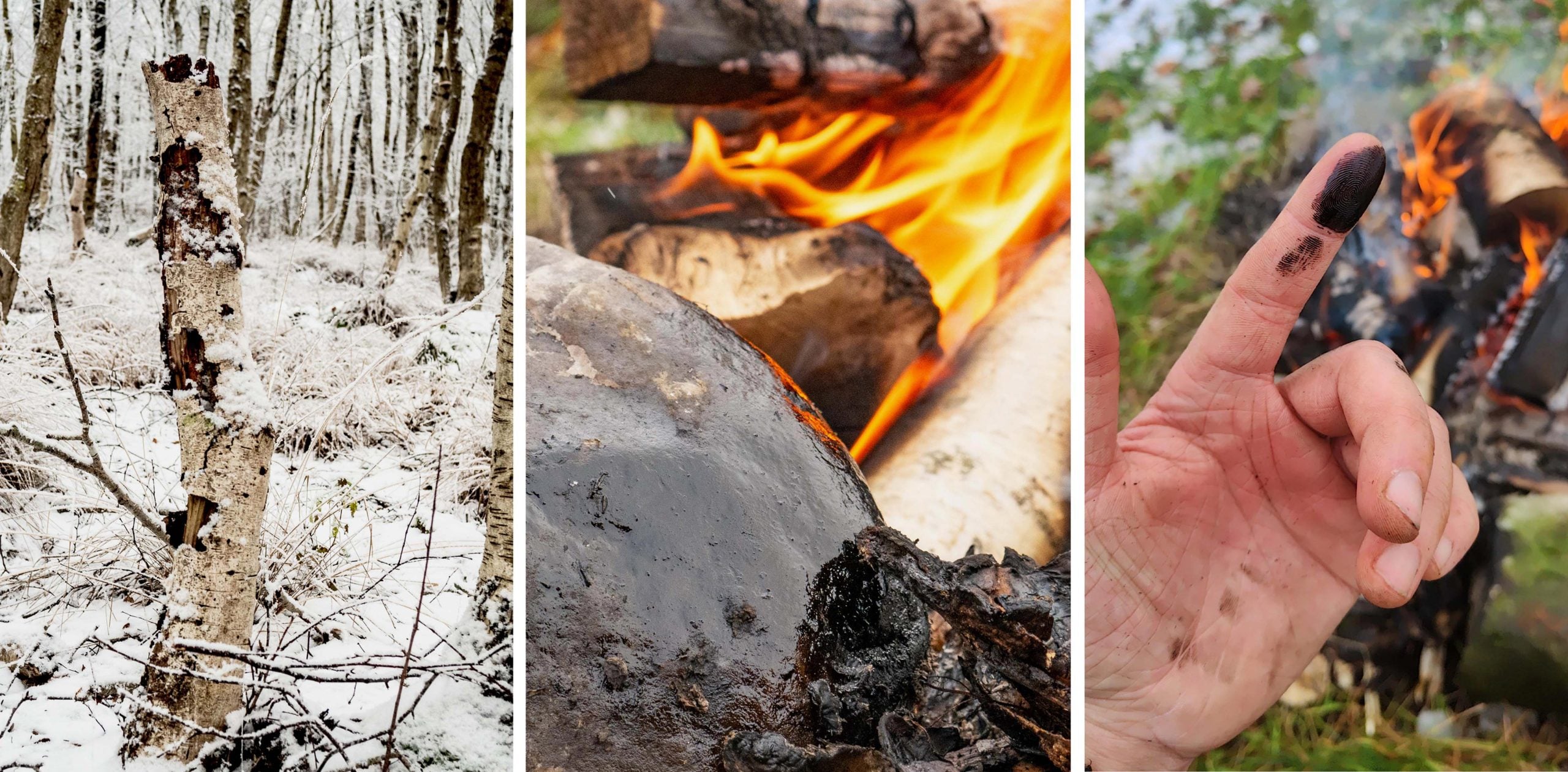
    Neanderthal Production of Birch Tar
    Researchers used methods that Neanderthals also used to produce birch tar and to analyse its antibacterial properties. Credit: Tjaark Siemssen

    “However, new studies suggest that birch tar may also have been used for other purposes,” says Tjaark Siemssen of the University of Cologne and Oxford University, who is leading the current study.

    Ethnographic evidence from many parts of the world shows that birch tar has also been used for medicinal purposes, among other uses.

    “Alongside these findings, there is also growing evidence of medicinal practices and the use of plants among Neanderthals, which is why we were interested in the use of birch tar in this context,” says Siemssen.

    Recreating Neanderthal Production Methods

    The researchers experimentally produced tar from birch species that already existed during the Neanderthal era. They used extraction methods reconstructed from Neanderthal contexts.

    In one method, birch bark was burned underground in a sealed pit. Without oxygen, dry distillation occurs, releasing birch tar from the bark. In another method, birch bark was burned next to a hard surface, such as a stone, so the tar condensed on the stone.

    Testing Its Antibacterial Effects

    The researchers then tested the birch tar samples to examine their antimicrobial properties. Every sample was able to hinder the growth of Staphylococcus aureus bacteria. S. aureus is a major cause of wound infections and is now classified as a multidrug-resistant hospital-acquired pathogen.

    The antibacterial effect appeared in tar produced by all of the extraction methods. “The findings suggest that antimicrobial properties played a role as far back as the time of the early Neanderthals and could have been used in a targeted manner,” explains Siemssen.

    Relevance for the Present

    Along with offering new insight into Neanderthal culture, the findings may also matter today because of the global rise in bacterial resistance to common antibiotics.

    “Our findings show that it might be worthwhile to examine targeted antibiotics from ethnographic contexts – or, as in this case, from prehistoric contexts – in greater depth,” concludes Siemssen.

    Reference: “Antibacterial properties of experimentally produced birch tar and its medicinal affordances in the Pleistocene” by Tjaark Siemssen, Aderonke Oludare, Marcel Schemmel, Janos Puschmann and Matthias Bierenstiel, 18 March 2026, PLOS ONE.
    DOI: 10.1371/journal.pone.0343618

    Never miss a breakthrough: Join the SciTechDaily newsletter.
    Follow us on Google and Google News.

    Anthropology Archaeology Hominin Neanderthals University of Cologne
    Share. Facebook Twitter Pinterest LinkedIn Email Reddit

    Related Articles

    First Neanderthal Footprints Found on Portugal’s Coast Rewrite What We Know About Early Humans

    Rewriting Hominin History: New Discoveries Unveil Ancient Human-Neanderthal Connections

    Earliest Interbreeding Between Ancient Human Populations Discovered – Evolutionary Puzzle Solved

    What Caused Neanderthal Extinction and Were Our Human Ancestors to Blame?

    New Evidence Shows Humans Mastered Fire Earlier Than Thought

    Early Humans Moved Through Mediterranean Much Earlier Than Previously Believed

    400,000 Year Old Fossil Helps Shed New Light on Human Evolution

    Million-Year-Old Ash in South African Cave Yields Evidence of Cooking

    Previously Unknown Hominin Discovered In Denisova Cave in Siberia

    Leave A Reply Cancel Reply

    • Facebook
    • Twitter
    • Pinterest
    • YouTube

    Don't Miss a Discovery

    Subscribe for the Latest in Science & Tech!

    Trending News

    Scientists May Have Found the Key to Jupiter and Saturn’s Moon Mystery

    Scientists Uncover Brain Changes That Link Pain to Depression

    Saunas May Do More Than Raise Body Temperature – They Activate Your Immune System

    Exercise in a Pill? Metformin Shows Surprising Effects in Cancer Patients

    Hidden Oceans of Magma Could Be Protecting Alien Life

    New Study Challenges Alzheimer’s Theories: It’s Not Just About Plaques

    Artificial Sweeteners May Harm Future Generations, Study Suggests

    Splashdown! NASA Artemis II Returns From Record-Breaking Moon Mission

    Follow SciTechDaily
    • Facebook
    • Twitter
    • YouTube
    • Pinterest
    • Newsletter
    • RSS
    SciTech News
    • Biology News
    • Chemistry News
    • Earth News
    • Health News
    • Physics News
    • Science News
    • Space News
    • Technology News
    Recent Posts
    • Physicists Discover a Strange New Kind of One-Dimensional Particle
    • Scientists Discover Unexpected Climate Benefit Hidden in Forest Soils
    • The Grand Canyon’s “Swiss Cheese” Rocks Hold a Critical Secret
    • Scientists Discover 430,000-Year-Old Wooden Tools, Rewriting Human History
    • Scientists Make Breakthrough on 40-Year-Old 2D Physics Puzzle
    Copyright © 1998 - 2026 SciTechDaily. All Rights Reserved.
    • Science News
    • About
    • Contact
    • Editorial Board
    • Privacy Policy
    • Terms of Use

    Type above and press Enter to search. Press Esc to cancel.