
Close Menu
    Facebook X (Twitter) Instagram
    SciTechDaily
    • Biology
    • Chemistry
    • Earth
    • Health
    • Physics
    • Science
    • Space
    • Technology
    Facebook X (Twitter) Pinterest YouTube RSS
    SciTechDaily
    Home»Health»New Drug Significantly Reduces Mortality Rate After Stroke
    Health

    New Drug Significantly Reduces Mortality Rate After Stroke

    By Bill Hathaway, Yale UniversityOctober 12, 2015No Comments2 Mins Read
    Facebook Twitter Pinterest Telegram LinkedIn WhatsApp Email Reddit
    Share
    Facebook Twitter LinkedIn Pinterest Telegram Email Reddit
    New Drug Significantly Cuts Mortality Rate After Stroke
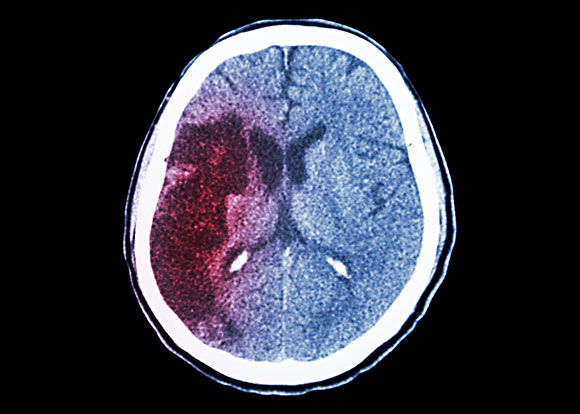
    Intravenous drug Cirara has shown significant effectiveness in reducing brain swelling after a stroke, according to recent medical trials.

    New medical trials reveal that the intravenous drug Cirara significantly reduces brain swelling following a stroke.

    An existing drug administered intravenously reduces the chances of dying from major stroke by 60%, according to results of a phase II trial announced October 9 at the annual Neurocritical Care Society meeting in Scottsdale, Arizona.

    “We’ve never seen a drug have that kind of impact on stroke mortality,” said Yale neurologist Kevin Sheth, co-principal investigator of the randomized, double-blinded, placebo-control trial conducted at 18 sites nationally.

    About 10% to 15% of the 800,000 Americans who suffer strokes annually suffer from large, ischemic strokes, in which blood clots develop dangerous levels of swelling in the brain. About half of these patients end up dying.

    The trial assessed the impact of a reformulated version of the drug glyburide, which has been used to treat diabetes for decades. The intravenous drug Cirara™ is delivered in a three-stage dosing regimen designed to target swelling following a central nervous system injury.

    Brain swelling was reduced by 50% in patients who took the study drug, based on the most commonly accepted measure of swelling following a stroke. The frequency of emergency decompressive craniectomies — surgical procedures in which part of the skull is removed to reduce internal pressure from swelling common to large, ischemic strokes — was not reduced among those given Cirara. However, mortality was reduced in subjects receiving the drug whether they underwent the procedure or not.

    Remedy Pharmaceuticals, which makes Cirara, sponsored the trial.

    Sheth has no financial ties to Remedy.

    Never miss a breakthrough: Join the SciTechDaily newsletter.
    Follow us on Google and Google News.

    Medicine Neurology Neuroscience Stroke Yale University
    Share. Facebook Twitter Pinterest LinkedIn Email Reddit

    Related Articles

    Monkeys and Humans Share Same Signs of Alzheimer’s

    Rare ALK Genetic Mutation Extends Cancer Survival

    Study Shows Muscle Contraction May Contribute to Stroke Damage

    New Study Shows Brain stimulation Counteracts Dangerous Side Effect of Seizures

    Previously Unknown Mechanism Repairs Brain after Stroke

    Researchers Reveal a New Pathway to Help Treat Perinatal Brain Injuries

    New Drug Compound Reverses the Brain Deficits of Alzheimer’s Disease in Mice

    Neurobiologists Reveal Age-Related Changes that Answer Key Questions about Alzheimer’s Disease

    Study Shows Oxytocin Improves Brain Function in Children with Autism

    Leave A Reply Cancel Reply

    • Facebook
    • Twitter
    • Pinterest
    • YouTube

    Don't Miss a Discovery

    Subscribe for the Latest in Science & Tech!

    Trending News

    Artificial Sweeteners May Harm Future Generations, Study Suggests

    Splashdown! NASA Artemis II Returns From Record-Breaking Moon Mission

    What If Consciousness Exists Beyond Your Brain

    Scientists Finally Crack the 100-Million-Year Evolutionary Mystery of Squid and Cuttlefish

    Beyond “Safe Levels”: Study Challenges What We Know About Pesticides and Cancer

    Researchers Have Found a Dietary Compound That Increases Longevity

    Scientists Baffled by Bizarre “Living Fossil” From 275 Million Years Ago

    Your IQ at 23 Could Predict Your Wealth at 27, Study Finds

    Follow SciTechDaily
    • Facebook
    • Twitter
    • YouTube
    • Pinterest
    • Newsletter
    • RSS
    SciTech News
    • Biology News
    • Chemistry News
    • Earth News
    • Health News
    • Physics News
    • Science News
    • Space News
    • Technology News
    Recent Posts
    • What if Dark Matter Has Two Forms? Bold New Hypothesis Could Explain a Cosmic Mystery
    • Researchers Expose Hidden Chemistry of “Ore-Forming” Elements in Biology
    • Geologists Reveal the Americas Collided Earlier Than We Thought
    • 20x Difference: Study Reveals True Source of Airborne Microplastics
    • Scientists Uncover Hidden Force Powering Yellowstone’s Supervolcano
    Copyright © 1998 - 2026 SciTechDaily. All Rights Reserved.
    • Science News
    • About
    • Contact
    • Editorial Board
    • Privacy Policy
    • Terms of Use

    Type above and press Enter to search. Press Esc to cancel.