
Close Menu
    Facebook X (Twitter) Instagram
    SciTechDaily
    • Biology
    • Chemistry
    • Earth
    • Health
    • Physics
    • Science
    • Space
    • Technology
    Facebook X (Twitter) Pinterest YouTube RSS
    SciTechDaily
    Home»Health»New Research Shows Immune Response to Zika Harms Fetal Development
    Health

    New Research Shows Immune Response to Zika Harms Fetal Development

    By Ziba Kashef, Yale UniversityJanuary 8, 2018No Comments2 Mins Read
    Facebook Twitter Pinterest Telegram LinkedIn WhatsApp Email Reddit
    Share
    Facebook Twitter LinkedIn Pinterest Telegram Email Reddit
    Immune Response to Zika Virus Contributes to Harm
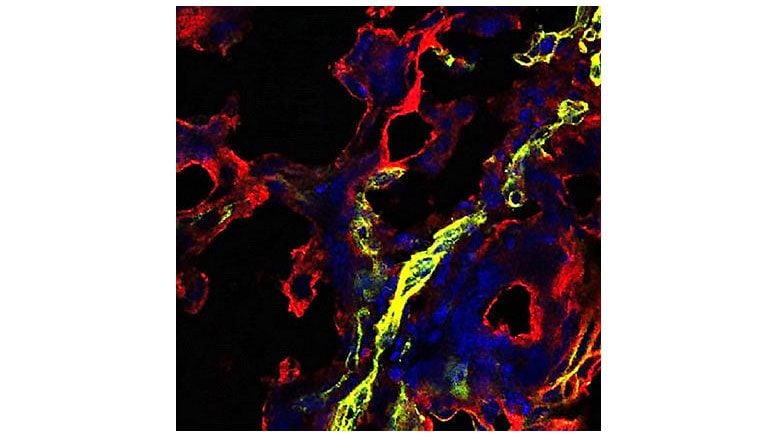
    Image shows sections of placenta from Zika virus infected interferon-receptor-expressing mice. Blood vessels (green), nuclei (blue) and trophoblast cells (red).

    A new study from Yale University shows that the same proteins that mount a potent immune response to Zika viral infection can also harm the placenta and fetal development. The study is published in Science Immunology.

    Zika researchers had established that these antiviral proteins, known as type I interferons, were required to fight Zika infection in mothers. But it was not clear what role interferons played in providing an immune defense for the fetus.

    To investigate, the team led by immunobiologist Akiko Iwasaki studied two different types of mouse models. One type lacked the receptor for type 1 interferon altogether, and the other had only one copy of the interferon receptor gene. Only the latter showed signs of abnormal placental development, restricted fetal growth and death, the researchers said.

    The finding demonstrates that the damaging effects of the immune response to Zika virus can outweigh the benefits for fetuses, said the researchers, noting that although type 1 interferon is critical to blocking replication of the virus, too much of it can be detrimental during pregnancy. The study results may have implications for other infection-related pregnancy complications and possible interventions.

    Other authors are Laura J. Yockey, Kellie A. Jurado, Nitin Arora, Alon Millet, Tasfia Rakib, Kristin M. Milano, Andrew K. Hastings, Erol Fikrig, Yong Kong, Tamas L. Horvath, Scott Weatherbee, Harvey J. Kliman, and Carolyn B. Coyne.

    This study was supported in part by the National Institutes of Health.

    Reference: “Type I interferons instigate fetal demise after Zika virus infection” by Laura J. Yockey, Kellie A. Jurado, Nitin Arora, Alon Millet, Tasfia Rakib, Kristin M. Milano, Andrew K. Hastings, Erol Fikrig, Yong Kong, Tamas L. Horvath, Scott Weatherbee, Harvey J. Kliman, Carolyn B. Coyne and Akiko Iwasaki, 26 Jan 2018, Science Immunology.
    DOI: 10.1126/sciimmunol.aao1680

    Never miss a breakthrough: Join the SciTechDaily newsletter.
    Follow us on Google and Google News.

    Immunobiology Immunology Medicine Yale University Zika Virus
    Share. Facebook Twitter Pinterest LinkedIn Email Reddit

    Related Articles

    New Drug Suppresses HIV & Protects Immune Cells With a Single Dose

    Researchers Use MRI Brain Scans to Reveal MS Risk in Children

    Yale Study Shows Surprising Link Between Constipation and Herpes Infection

    Immune Therapy Drug Prolongs Survival in Advanced Lung Cancer Patients

    New Strategy to Better Protect Cancer Patients from the Flu

    Nanoparticulate Carbon Black Found in the Lungs of Smokers

    TH17 Cells Convert From Pro-Inflammatory to Anti-Inflammatory

    Researchers May Have Pinpointed a Strategy for Eliminating Latent HIV

    Antifreeze Protein in Ticks Could Lead to New Antibiotics for Humans

    Leave A Reply Cancel Reply

    • Facebook
    • Twitter
    • Pinterest
    • YouTube

    Don't Miss a Discovery

    Subscribe for the Latest in Science & Tech!

    Trending News

    Millions Take These IBS Drugs, But a New Study Finds Serious Risks

    Scientists Unlock Hidden Secrets of 2,300-Year-Old Mummies Using Cutting-Edge CT Scanner

    Bread Might Be Making You Gain Weight Even Without Eating More Calories

    Scientists Discover Massive Magma Reservoir Beneath Tuscany

    Europe’s Most Active Volcano Just Got Stranger – Here’s Why Scientists Are Rethinking It

    Alzheimer’s Symptoms May Start Outside the Brain, Study Finds

    Millions Take This Popular Supplement – Scientists Discover a Concerning Link to Heart Failure

    The Universe Is Expanding Too Fast and Scientists Can’t Explain Why

    Follow SciTechDaily
    • Facebook
    • Twitter
    • YouTube
    • Pinterest
    • Newsletter
    • RSS
    SciTech News
    • Biology News
    • Chemistry News
    • Earth News
    • Health News
    • Physics News
    • Science News
    • Space News
    • Technology News
    Recent Posts
    • Doctors Surprised by the Power of a Simple Drug Against Colon Cancer
    • Why Popular Diabetes Drugs Like Ozempic Don’t Work for Everyone: The “Genetic Glitch”
    • Scientists Create Improved Insulin Cells That Reverse Diabetes in Mice
    • Scientists Stunned After Finding Plant Thought Extinct for 60 Years
    • A Common Diabetes Drug May Hold the Key to Stopping HIV From Coming Back
    Copyright © 1998 - 2026 SciTechDaily. All Rights Reserved.
    • Science News
    • About
    • Contact
    • Editorial Board
    • Privacy Policy
    • Terms of Use

    Type above and press Enter to search. Press Esc to cancel.