
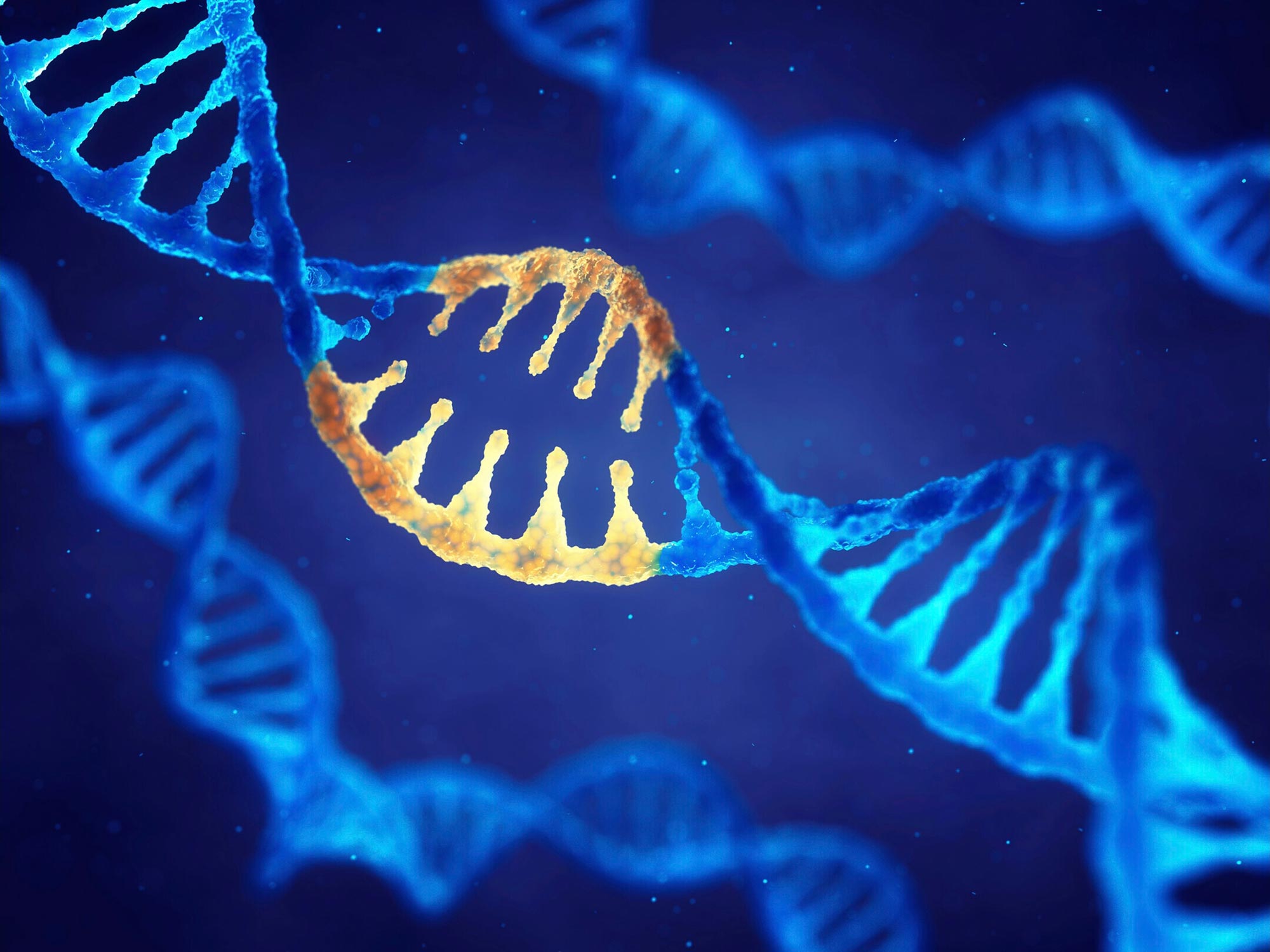
A new CRISPR-Cas9 based method called SEED/Harvest integrates the Single-Strand Annealing repair pathway to modify the genome of fruit flies more efficiently and without residual damage. This technique allows for precise and efficient DNA modifications across the genome, facilitating research on protein functions in various tissues and developmental stages, potentially benefiting genetics, biotechnology, and medical research.
A team headed by Prof. Markus Affolter at the Biozentrum of the University of Basel has advanced CRISPR/Cas technologies with a novel method that enables more precise and seamless tagging of proteins at the genetic level. This innovation holds great potential to enhance protein research in living organisms and expand opportunities in medical research.
With the revolutionary CRISPR/Cas technology, the DNA of living organisms can be precisely altered. Using a guide RNA that recognizes a specific DNA sequence, Cas9 protein is recruited to that sequence and cuts the DNA. This targeted cut allows the DNA to be repaired or altered at this specific location.
Prof. Markus Affolter’s team at the Biozentrum, University of Basel, has now developed a new method called SEED/Harvest in the fruit fly (Drosophila melanogaster). This method combines the CRISPR-Cas9 technique with the Single-Strand Annealing (SSA) repair pathway, enabling genome-wide changes to be carried out more efficiently and without leaving unwanted scars. The study has been published in Developmental Cell.
Two methods combined
The SEED/Harvest method proceeds in two steps. In a first step, the researchers introduced a marker gene into the desired DNA site within a protein-coding region. This marker is placed at the targeted location and is used to isolate successful modifications.
In a second step, the marker is excised and the DNA breakpoints are repaired by the Single-Strand Annealing (SSA) repair pathway. “This enables us to cut the DNA seamlessly while maintaining its full function,” explains first author Gustavo Aguilar. “The combination of both methods makes it possible to mark any desired protein in the genome without collateral damage, allowing us to study the functions of proteins in living organisms.”
More precise and efficient
“Since we would like to introduce and analyze changes in the DNA throughout the genome for our research, the method must be both precise and efficient,” explains Affolter. “And the SEED/Harvest method is both. It combines the most robust screening of successful insertions and all the advantages of seamless tagging.”
New research opportunities
One of the advantages of the SEED/Harvest method is that proteins can be labeled in specific tissues and cell types. “We can now control and determine in various tissues and developmental stages when and where genes are activated or inactivated” adds Gustavo Aguilar. This opens up new possibilities for research to investigate the dynamics of proteins systematically in living cells in real-time.
This method is not only significant for genetics and biotechnology. “The SEED/Harvest method could also be of interest for medical research, for example, to identify defects caused by disease genes,” says Affolter.
Reference: “Seamless knockins in Drosophila via CRISPR-triggered single-strand annealing” by Gustavo Aguilar, Milena Bauer, M. Alessandra Vigano, Sophie T. Schnider, Lukas Brügger, Carlos Jiménez-Jiménez, Isabel Guerrero and Markus Affolter, 5 July 2024, Developmental Cell.
DOI: 10.1016/j.devcel.2024.06.004
Never miss a breakthrough: Join the SciTechDaily newsletter.
Follow us on Google and Google News.