
Close Menu
    Facebook X (Twitter) Instagram
    SciTechDaily
    • Biology
    • Chemistry
    • Earth
    • Health
    • Physics
    • Science
    • Space
    • Technology
    Facebook X (Twitter) Pinterest YouTube RSS
    SciTechDaily
    Home»Health»Researchers Develop a Replaceable, More Efficient Filter for N95 Masks
    Health

    Researchers Develop a Replaceable, More Efficient Filter for N95 Masks

    By American Chemical SocietyMay 21, 20202 Comments2 Mins Read
    Facebook Twitter Pinterest Telegram LinkedIn WhatsApp Email Reddit
    Share
    Facebook Twitter LinkedIn Pinterest Telegram Email Reddit
    More Efficient Filter for N95 Masks
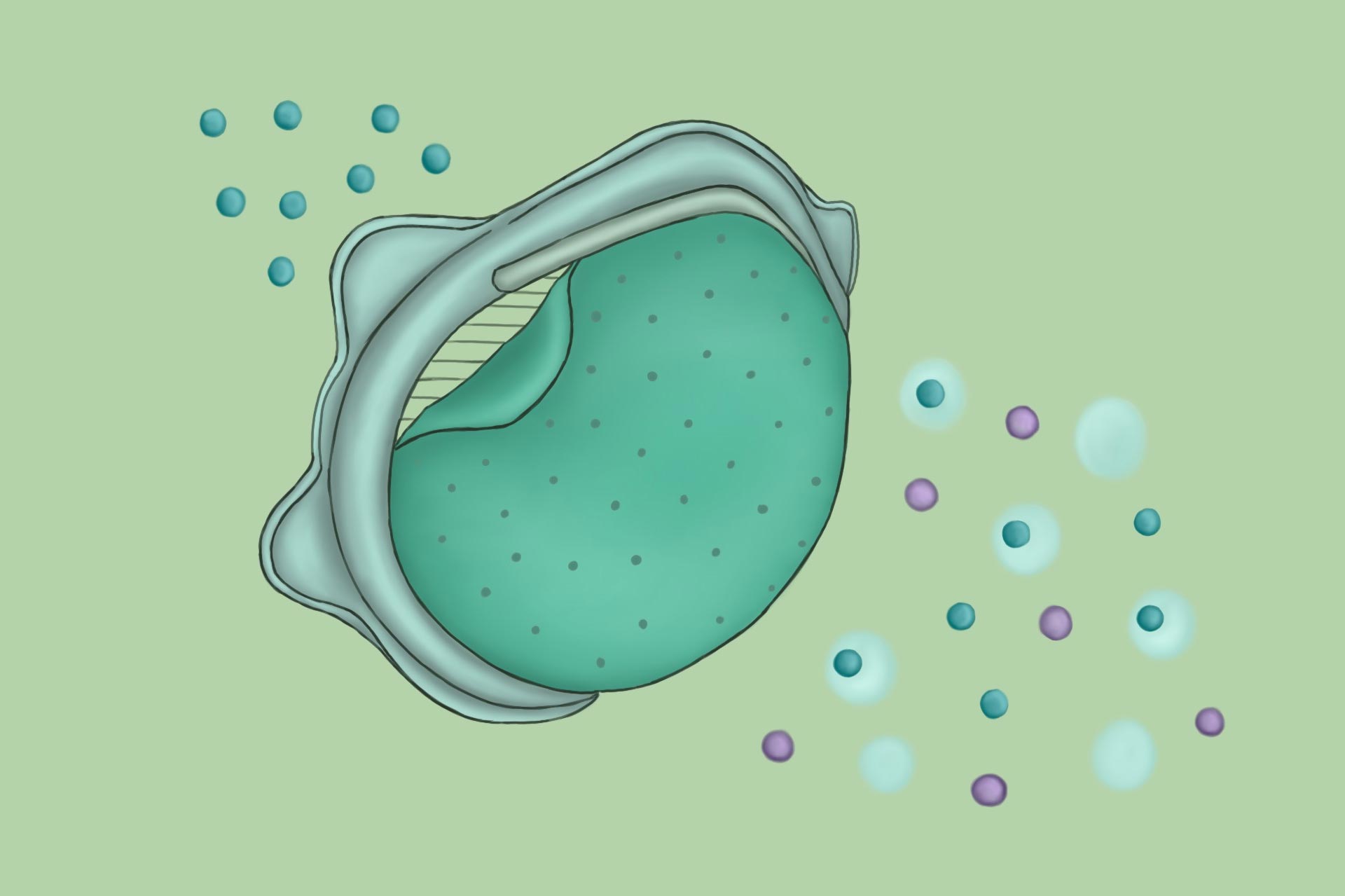
    A replaceable nanoporous membrane, illustrated above, attached to an N95 mask filters out particles the size of SARS-CoV-2 (purple circles), allowing only clean air (blue circles) through. Credit: ACS Nano 2020, DOI: 10.1021/acsnano.0c03976

    Since the outbreak of COVID-19, there’s been a worldwide shortage of face masks — particularly, the N95 ones worn by health care workers. Although these coverings provide the highest level of protection currently available, they have limitations. Now, researchers reporting in ACS Nano have developed a membrane that can be attached to a regular N95 mask and replaced when needed. The filter has a smaller pore size than normal N95 masks, potentially blocking more virus particles.

    N95 masks filter about 85% of particles smaller than 300 nm. SARS-CoV-2 (the coronavirus that causes COVID-19) is in the size range of 65-125 nm, so some virus particles could slip through these coverings. Also, because of shortages, many health care workers have had to wear the same N95 mask repeatedly, even though they are intended for single use. To help overcome these problems, Muhammad Mustafa Hussain and colleagues wanted to develop a membrane that more efficiently filters particles the size of SARS-CoV-2 and could be replaced on an N95 mask after every use.

    To make the membrane, the researchers first developed a silicon-based, porous template using lithography and chemical etching. They placed the template over a polyimide film and used a process called reactive ion etching to make pores in the membrane, with sizes ranging from 5-55 nm. Then, they peeled off the membrane, which could be attached to an N95 mask. To ensure that the nanoporous membrane was breathable, the researchers measured the airflow rate through the pores. They found that for pores tinier than 60 nm (in other words, smaller than SARS-CoV-2), the pores needed to be placed a maximum of 330 nm from each other to achieve good breathability. The hydrophobic membrane also cleans itself because droplets slide off it, preventing the pores from getting clogged with viruses and other particles.

    Reference: “A Flexible Nanoporous Template for the Design and Development of Reusable Anti-COVID-19 Hydrophobic Face Masks” by Nazek El-Atab, Nadeem Qaiser, Huda S Badghaish, Sohail Faizan Shaikh and Muhammad Mustafa Hussain, 20 May 2020, ACS Nano.
    DOI: 10.1021/acsnano.0c03976

    The authors acknowledge funding from the King Abdullah University of Science and Technology Office of Sponsored Research.

    Never miss a breakthrough: Join the SciTechDaily newsletter.
    Follow us on Google and Google News.

    American Chemical Society COVID-19 Materials Science Nanotechnology Popular Public Health Virology
    Share. Facebook Twitter Pinterest LinkedIn Email Reddit

    Related Articles

    Increased Infectivity Drives COVID Evolution – Mutations That Allow the Virus To Escape Vaccines Become Dominant

    “Superpower” Nano Bubbles Could Treat and Prevent COVID-19 – Including Current and Future Variants

    Long-Lasting Disinfectant Protects Against Viruses for Up to 7 Days – Promises To Help Fight Pandemics

    Synthetic Peptide Mimics: Possible New Antivirals Against COVID-19 and Herpes

    Ending the COVID-19 Pandemic: Progress Toward One Drug To Treat All Coronaviruses

    New Graphene Face Masks Offer Very High Anti-bacterial Efficiency, Deactivation of Coronaviruses

    The Latest in the Scientific Race to Develop an Effective COVID-19 Vaccine

    New COVID-19 Test Accurately Detects Viral DNA in Minutes

    “Snake Pneumonia” – Coronavirus Outbreak in China Traced to Snakes by Genetic Analysis

    2 Comments

    1. Roto on May 25, 2020 1:19 pm

      This statement is likely wrong. N95 filters out 95% of particles bigger than 300nm. Big difference here.

      Reply
    2. James Theophilus on May 25, 2020 6:08 pm

      simply filling water under a tap . water pour through clothe mask rapidly . not suitable to stop this covid 19 virus , Government encourage due to shotage of medical mask for medical field

      Reply
    Leave A Reply Cancel Reply

    • Facebook
    • Twitter
    • Pinterest
    • YouTube

    Don't Miss a Discovery

    Subscribe for the Latest in Science & Tech!

    Trending News

    The Universe Is Expanding Too Fast and Scientists Can’t Explain Why

    “Like Liquid Metal”: Scientists Create Strange Shape-Shifting Material

    Early Warning Signals of Esophageal Cancer May Be Hiding in Plain Sight

    Common Blood Pressure Drug Shows Surprising Power Against Deadly Antibiotic-Resistant Superbug

    Scientists Uncover Dangerous Connection Between Serotonin and Heart Valve Disease

    Scientists Discover a “Protector” Protein That Could Help Reverse Hair Loss

    Bone-Strengthening Discovery Could Reverse Osteoporosis

    Scientists Uncover Hidden Trigger Behind Stem Cell Aging

    Follow SciTechDaily
    • Facebook
    • Twitter
    • YouTube
    • Pinterest
    • Newsletter
    • RSS
    SciTech News
    • Biology News
    • Chemistry News
    • Earth News
    • Health News
    • Physics News
    • Science News
    • Space News
    • Technology News
    Recent Posts
    • Scientists Overcome Major Quantum Bottleneck, Potentially Transforming Teleportation and Computing
    • Quantum Physics’ Strangest Problem May Hold the Key to Time Itself
    • Scientists Create “Liquid Gears” That Spin Without Touching
    • The Simple Habit That Could Help Prevent Cancer
    • Forgotten Medicinal Plant Shows Promise in Fighting Dangerous Superbugs
    Copyright © 1998 - 2026 SciTechDaily. All Rights Reserved.
    • Science News
    • About
    • Contact
    • Editorial Board
    • Privacy Policy
    • Terms of Use

    Type above and press Enter to search. Press Esc to cancel.