
Study authors advise regular cleaning of water dispensers
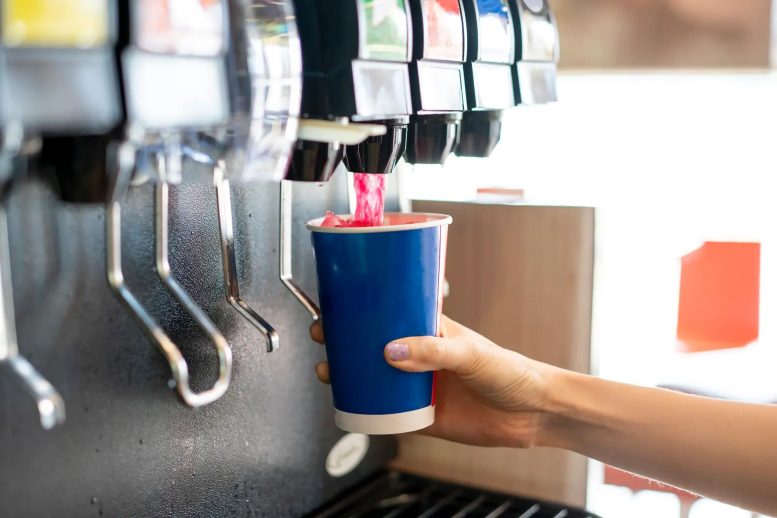
Loma Linda University (LLU) researchers found microbial contamination in common sources of drinking water in the Eastern Coachella Valley, including soda fountains at fast-food restaurants. Their findings revealed that 41% of the water samples researchers collected from these soda fountains contained total coliforms, an indicator of water contamination.
Molecular analysis of the water samples revealed traces of genetic material found in bacteria, including Salmonella spp (Salmonella), Pseudomonas aeruginosa, and Escherichia coli (E. coli). Given these findings, study authors advise soda fountain owners to regularly clean and flush the dispensers as a way to prevent water contamination.
First-of-Its-Kind Study
“To the best of our knowledge, our study is the first to assess the water quality from soda fountains, water vending machines, swabs, and tap water, especially in the Eastern Coachella Valley,” said Thomas Hile, PhD, MSc, an LLU affiliated researcher and lead author of the study.
The study, “Microbial contamination analysis of drinking water from bulk dispensers and fast-food restaurants in the Eastern Coachella Valley, California,” was published last month in Water Supply, the International Water Association’s peer-reviewed journal.
Research Methodology and Findings
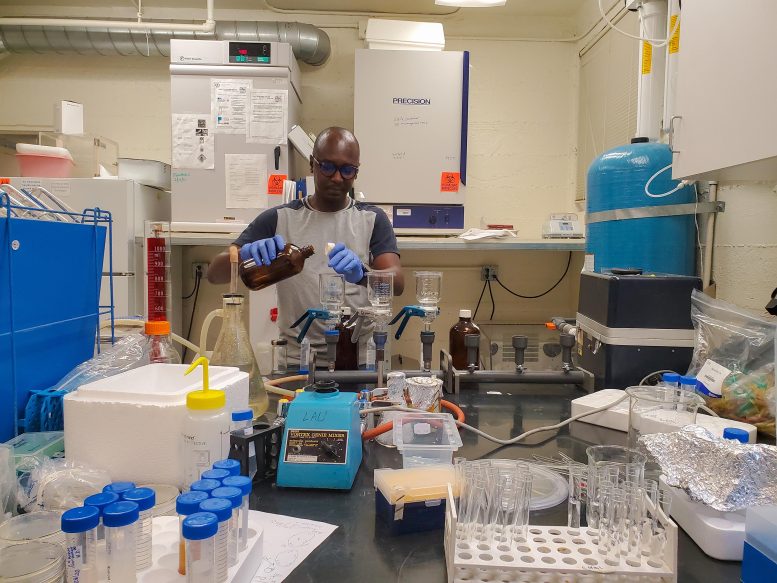
Researchers collected 72 water samples from fast-food soda fountains, water vending machines, and tap water from outdoor sources in the Eastern Coachella Valley. They measured physico-chemical parameters on site and brought samples back to the laboratory to perform conventional cultivable methods and molecular analysis.
Analysis of the water samples indicated the presence of biofilms — organized communities of organisms widely present in nature that represent serious problems in environmental, industrial, and medical settings. In several cases, the amounts of bacteria in soda fountain samples exceeded the maximum permissible levels set by the Environmental Protection Agency.
“The presence of pathogenic microorganisms in drinking water is a serious public health concern and cannot be overemphasized,” the authors stated in their journal article.
Biofilms and Water Contamination
Based on the results, the research team contends that biofilm forms over time in water distribution systems, mainly made of plastic piping, funneling water to fast-food soda fountains and water vending machines. Additionally, they say the soda fountains’ filtration systems, when not maintained, do not effectively prevent water contamination.
East Coachella Valley is an environmental justice area and includes the city of Coachella and the unincorporated communities of Thermal, Oasis, Mecca, and North Shore. These communities are primarily Latino, made up of migrant and agricultural-worker families that struggle for access to safe drinking water.
“The study collected water samples from an underserved area, where there generally aren’t routine checks of water quality and lack of maintenance for soda fountains or water vending machines,” said Ryan Sinclair, PhD, MPH, the study’s last author and an associate professor at Loma Linda University School of Public Health and School of Medicine.
He says the study reinforces the importance of developing surveillance and regulations that target fast-food soda fountains and water dispensers. He and the study authors recommend that owners regularly clean and flush dispensers and use antimicrobial tubes inside water dispensers to control the growth of biofilms.
Future Plans
The authors plan to perform a risk assessment to determine whether the levels of microbes they identified and quantified in their water samples pose a health hazard or are tied to any health conditions.
Reference: “Microbial contamination analysis of drinking water from bulk dispensers and fast-food restaurants in the Eastern Coachella Valley, California” by Thomas Dama Hile, Stephen G. Dunbar and Ryan G. Sinclair, 10 August 2023, Water Supply.
DOI: 10.2166/ws.2023.200
The study was funded by Loma Linda University School of Medicine.
Never miss a breakthrough: Join the SciTechDaily newsletter.
Follow us on Google and Google News.
1 Comment
This is no surprise. As someone who worked in a gas station with the responsibility of cleaning the fountain machines I can attest they are disgusting! I believe I was the only employee to even attempt a breakdown cleaning because EACH nozzle contained a large calcified ball of something I believed to be mold. It was so gross I swore to never drink fountain soda again.