
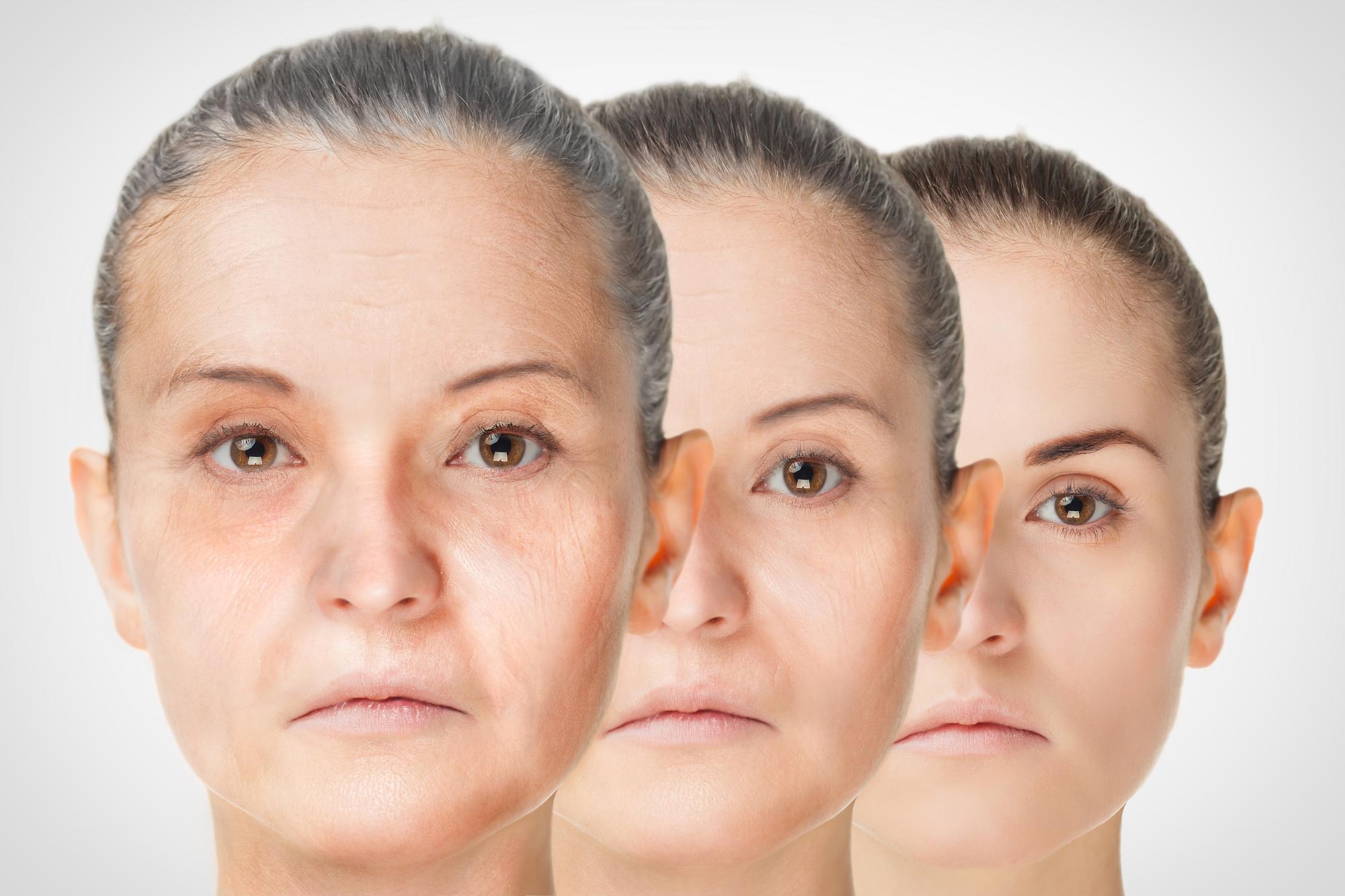
Three newly identified indole metabolites from a blood-dwelling bacterium were found to reduce skin cell inflammation and aging markers, offering promise for future anti-aging treatments.
People spend a lot of time and money trying to keep their skin looking young, using everything from creams and masks to high-tech serums. But what if the secret to younger skin has been inside us all along? Scientists have just discovered anti-aging compounds produced by a type of bacteria that lives in our bloodstream. These three molecules helped reduce cell damage and inflammation in lab-grown human skin cells.
The research, recently published in the Journal of Natural Products by the American Chemical Society and the American Society of Pharmacognosy, points to exciting possibilities for new skin care treatments in the future.
While scientists are still uncovering how microbial by-products, known as metabolites, influence our health, one group of these compounds is already showing serious promise. Indole compounds are known for their anti-aging, anti-inflammatory, and antimicrobial effects. In 2015, researchers identified a unique bacterium in the blood called Paracoccus sanguinis, which naturally produces indole compounds.
Curious about what this microbe might be capable of, researchers Chung Sub Kim, Sullim Lee, and their team decided to take a closer look at the special metabolites it creates.
“We became interested in P. sanguinis because blood-derived microbes are a relatively uncharted area of research,” says Kim. “Given the unique environment of the bloodstream, we believed that studying individual species like P. sanguinis could reveal previously unknown metabolic functions relevant to health and disease.”
The team grew a big batch of P. sanguinis for three days and then extracted the mixture of metabolites the microbes produced. A combination of analytical methods, including spectrometry, isotope labeling, and computational analysis, enabled the team to tease out the chemical structure of 12 individual indole metabolites from this mix, including six that had never been identified.
Testing Anti-Aging Effects in Human Skin Cells
Next, Kim, Lee, and colleagues investigated whether these indole metabolites could mitigate harmful processes that are also associated with aging in human skin. They applied liquid solutions containing each indole to wells with cultured human skin cells. Prior to the experiment, the cells were treated to induce elevated levels of reactive oxygen species, compounds responsible for inflammation and collagen damage.
Of the 12 indoles the researchers investigated, three, including two newly identified ones, lowered the amounts of harmful reactive oxygen species in the stressed human skin cells compared to untreated cells. The three metabolites also reduced the levels of two inflammatory proteins and a collagen-damaging protein.
As a result of these initial findings, the researchers say the new indole metabolites are promising candidates for future treatments to counteract skin aging.
Reference: “Discovery and Biosynthesis of Indole-Functionalized Metabolites from the Human Blood Bacterium, Paracoccus sanguinis, and Their Anti-Skin Aging Activity” by Won Min Lee, Si-Young Ahn, Gyu Sung Lee, InWha Park, Jonghwan Kim, Seung Hwan Lee, Sullim Lee and Chung Sub Kim, 2 May 2025, Journal of Natural Products.
DOI: 10.1021/acs.jnatprod.4c01354
The authors acknowledge funding from the National Research Foundation of Korea, the BK21 FOUR Project, and the National Supercomputing Center.
Never miss a breakthrough: Join the SciTechDaily newsletter.
Follow us on Google and Google News.
3 Comments
I am a naturopathic practitioner and found my treatment goes as this phenomenon. I am very glad when read this article. My treatment near about 12-18 months and patient was seen younger 10 years than his actual age.
In this therapy hearing, smelling and eye sight improved also skin well develop.
Nice you need to maintain the records as color complexion and photo videos after and before treatment.
Thanks,
It was maintained.