
Close Menu
    Facebook X (Twitter) Instagram
    SciTechDaily
    • Biology
    • Chemistry
    • Earth
    • Health
    • Physics
    • Science
    • Space
    • Technology
    Facebook X (Twitter) Pinterest YouTube RSS
    SciTechDaily
    Home»Health»Scientists Uncover Ecosystem Disrupting Potential of Artificial Sweetener
    Health

    Scientists Uncover Ecosystem Disrupting Potential of Artificial Sweetener

    By University of FloridaJuly 10, 20241 Comment3 Mins Read
    Facebook Twitter Pinterest Telegram LinkedIn WhatsApp Email Reddit
    Share
    Facebook Twitter LinkedIn Pinterest Telegram Email Reddit
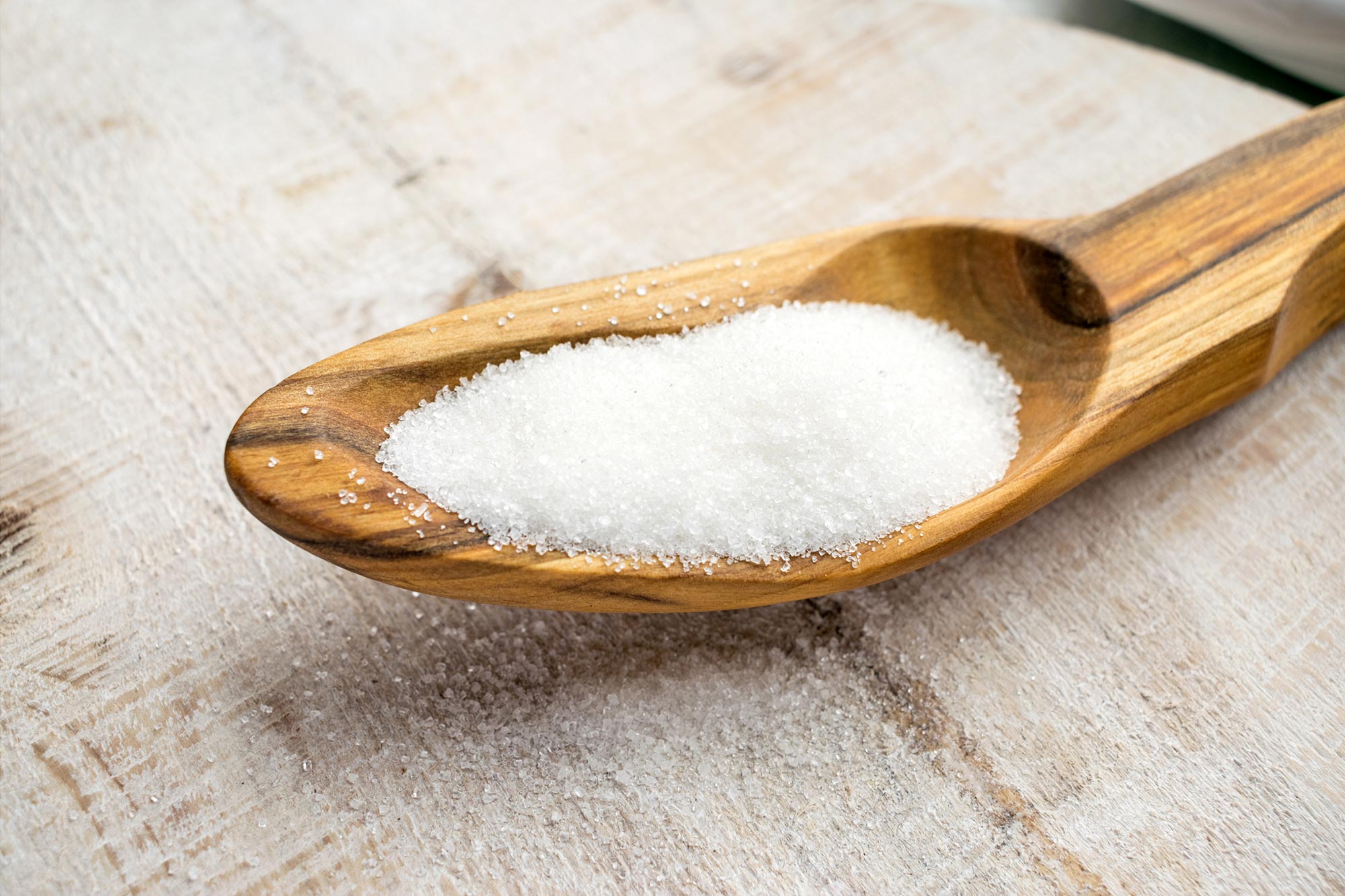
    Artificial Sweetener Sugar Substitute Wooden Spoon
    Sucralose, an artificial sweetener, cannot be broken down by humans or many microorganisms, leading to its presence in water systems. A study found that sucralose alters the behavior of cyanobacteria and diatoms, potentially disrupting ecosystems. More research is needed to understand its full environmental impact.

    New research explores the environmental implications of sucralose, showing its potential to disrupt aquatic microbial populations and stressing the need for further research to assess its full impact.

    Scientific research has well established that the human body cannot break down sucralose, an artificial sweetener present in numerous zero-calorie foods and beverages. Due to its stability, sucralose can pass through wastewater treatment processes and consequently, it is found in drinking water and aquatic ecosystems.

    “We can’t break down sucralose, and a lot of microorganisms can’t break it down, either, because it’s a really tough molecule that doesn’t degrade easily. So there are a lot of questions about how it is affecting the environment and whether it’s something that could impact our microbial communities,” said Tracey Schafer, an assistant research scientist for the University of Florida’s Whitney Laboratory for Marine Bioscience and the soil, water and ecosystem sciences department, part of UF’s Institute of Food and Agricultural Sciences.

    Study on Cyanobacteria and Diatoms

    Schafer is a co-author of a recently published study demonstrating how sucralose affects the behavior of cyanobacteria — an aquatic photosynthetic bacteria — and diatoms, microscopic algae that account for more than 30% of the primary food production in the marine food chain.

    Researchers collected soil and water from a freshwater site and a brackish water site in Marineland, Florida. Back at their St. Augustine lab, they exposed samples to different sucralose concentrations and measured photosynthesis and microbial respiration in two separate time studies: every four to six hours during a single day and every 24 hours over the course of five days.

    Compared to a control group, the concentration of freshwater cyanobacteria increased when samples were exposed to sucralose, but the concentration of brackish cyanobacteria spiked and then crashed when dosed.

    “There is the potential that the freshwater communities might be mistaking sucralose for a nutrient, for a sugar that they can use as food,” said Amelia Westmoreland, the study’s lead author and a scientific researcher who worked on the project while completing her undergraduate degree in chemistry.

    Potential Risks and Further Research Needed

    Both freshwater and brackish diatoms exposed to sucralose displayed an overall decreasing trend in population compared to a control group. The difference between dosed samples and the control group was most profound, however, in the freshwater experiments.

    Sucralose’s ability to both increase and decrease microbial community populations could potentially threaten a naturally balanced ecosystem, Westmoreland said.

    “Extreme examples of how this could play out are the diatom community could disappear, and the other extreme is this community could completely overtake everything else,” she said.

    Both Schafer and Westmoreland said more research is needed to fully understand sucralose and its impact on aquatic environments.

    “I think this study was a good first step in starting to look at how sucralose could impact our aquatic communities, and hopefully it will drive more research forward,” Schafer said.

    Reference: “Sucralose (C12H19Cl3O8) impact on microbial activity in estuarine and freshwater marsh soils” by Amelia G. Westmoreland, Tracey B. Schafer, Kendall E. Breland, Anna R. Beard and Todd Z. Osborne, 13 April 2024, Environmental Monitoring and Assessment.
    DOI: 10.1007/s10661-024-12610-5

    Never miss a breakthrough: Join the SciTechDaily newsletter.
    Follow us on Google and Google News.

    Artificial Sweeteners Cyanobacteria Ecology University of Florida
    Share. Facebook Twitter Pinterest LinkedIn Email Reddit

    Related Articles

    A Safer Opioid Alternative: New Drug Offers Pain Relief Without Dangerous Side Effects

    Seeing Is Believing: The Gene Therapy Breakthrough That’s Giving Sight to the Blind

    A New Superfruit? Scientists Discover Simple Trick To Make Blood Oranges Healthier

    Study Confirms Sweeteners Do Not Spike Hunger Levels and Identifies Additional Health Benefits

    New Research Reveals That Adding Orange Peels to Your Diet Could Improve Heart Health

    Revolutionary mRNA Cancer Vaccine Shows Immense Promise in First-Ever Human Clinical Trial

    Highly Pathogenic Bird Flu Identified in Dead Florida Dolphin

    Study Finds Artificial Sweetener Can Cause Healthy Gut Bacteria To Become Diseased

    Brain Stimulation Shows Promise for Alleviating Depression and Anxiety

    1 Comment

    1. dave smith on July 10, 2024 12:58 pm

      Why would would anyone listen to U of F on this? More bought off sugar “scientists” like Ansel Keyes.

      Reply
    Leave A Reply Cancel Reply

    • Facebook
    • Twitter
    • Pinterest
    • YouTube

    Don't Miss a Discovery

    Subscribe for the Latest in Science & Tech!

    Trending News

    New Pill Lowers Stubborn Blood Pressure and Protects the Kidneys

    Humans May Have Hidden Regenerative Powers, New Study Suggests

    Scientists Just Solved the Mystery of Why Crabs Walk Sideways

    Doctors Are Surprised by What This Vaccine Is Doing to the Heart

    This Popular Supplement May Boost Your Brain, Not Just Your Muscles

    Scientists Say This Simple Supplement May Actually Reverse Heart Disease

    Warming Oceans Could Trigger a Dangerous Methane Surge

    This Simple Movement Could Be Secretly Cleaning Your Brain

    Follow SciTechDaily
    • Facebook
    • Twitter
    • YouTube
    • Pinterest
    • Newsletter
    • RSS
    SciTech News
    • Biology News
    • Chemistry News
    • Earth News
    • Health News
    • Physics News
    • Science News
    • Space News
    • Technology News
    Recent Posts
    • Researchers Discover Efficient New Way To Split Hydrogen From Water for Energy
    • This Korean Skincare Ingredient Could Help Fight Deadly Superbugs
    • Giant Squid Detected off Western Australia in Stunning Deep-Sea Discovery
    • Popular Sugar-Free Sweetener Linked to Liver Disease, Study Warns
    • Why Weight Loss Isn’t Enough for Everyone at Risk of Diabetes
    Copyright © 1998 - 2026 SciTechDaily. All Rights Reserved.
    • Science News
    • About
    • Contact
    • Editorial Board
    • Privacy Policy
    • Terms of Use

    Type above and press Enter to search. Press Esc to cancel.