
Close Menu
    Facebook X (Twitter) Instagram
    SciTechDaily
    • Biology
    • Chemistry
    • Earth
    • Health
    • Physics
    • Science
    • Space
    • Technology
    Facebook X (Twitter) Pinterest YouTube RSS
    SciTechDaily
    Home»Health»Sleepless Childhood: New Pathway to Psychosis Uncovered
    Health

    Sleepless Childhood: New Pathway to Psychosis Uncovered

    By University of BirminghamMay 21, 2024No Comments3 Mins Read
    Facebook Twitter Pinterest Telegram LinkedIn WhatsApp Email Reddit
    Share
    Facebook Twitter LinkedIn Pinterest Telegram Email Reddit
    Psychosis Brain
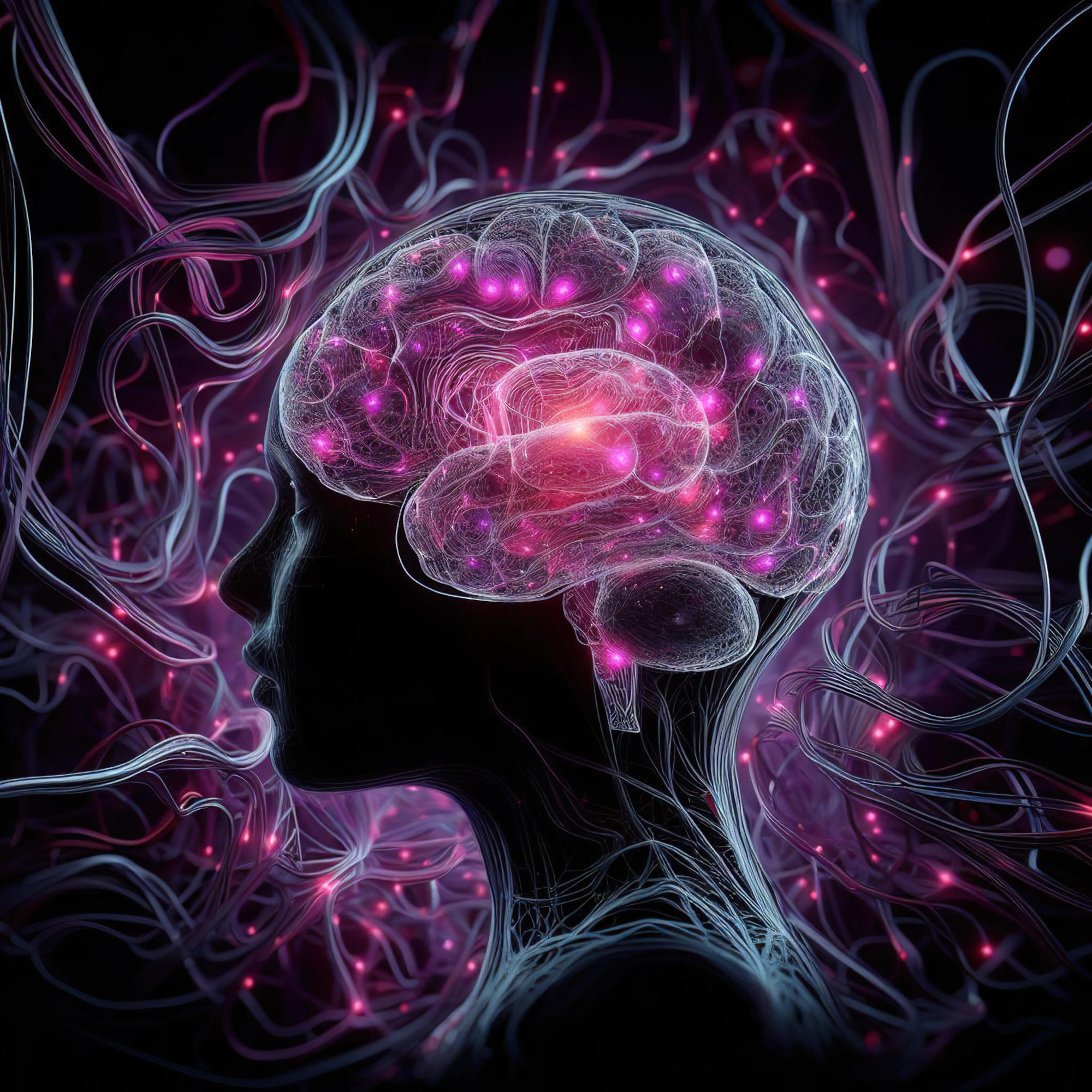
    A study from the University of Birmingham suggests that chronic lack of sleep in children can significantly increase the risk of psychosis in early adulthood, emphasizing the importance of addressing sleep issues early and exploring other contributing factors. Credit: SciTechDaily.com

    Recent research indicates that children who consistently experience inadequate sleep from infancy may have an increased risk of developing psychosis in early adulthood.

    Researchers at the University of Birmingham examined information on nighttime sleep duration from a large cohort study of children aged between 6 months and 7 years old. They found that children who persistently slept fewer hours, throughout this time period, were more than twice as likely to develop a psychotic disorder in early adulthood, and nearly four times as likely to have a psychotic episode.

    While previous research has highlighted links between sleep problems and psychosis at specific time points, this is the first study to show that persistent lack of sleep is a strong predictor of psychosis.

    Research Findings and Implications

    Lead author, Dr. Isabel Morales-Muñoz, said: “It’s entirely normal for children to suffer from sleep problems at different points in their childhood, but it’s also important to know when it might be time to seek help. Sometimes sleep can become a persistent and chronic problem, and this is where we see links with psychiatric illness in adulthood.

    “The good news is that we know that it is possible to improve our sleep patterns and behaviors. While persistent lack of sleep may not be the only cause of psychosis in early adulthood, our research suggests that it is a contributing factor, and it is something that parents can address.”

    The results, published in JAMA Psychiatry, were based on data taken from the Avon Longitudinal Study of Parents and Children (ALSPAC), which includes records of 12,394 children from 6 months to 7 years, and 3,889 at 24 years old.

    While the association between lack of sleep in childhood and psychosis in early adulthood was robust in the study, the team has not proven a causal link and other factors associated with both childhood sleep and psychosis need to be explored.

    The team looked, for example, at overall immune system health in the children to see whether impairments in the immune system could also account for some of the associations between lack of sleep and psychosis. This was tested at nine years old by measuring levels of inflammation in blood samples. Results showed that a weakened immune system could partially explain the links between lack of sleep and psychosis, but other unknown factors are also likely to be important.

    Dr. Morales- Muñoz’s research is part of the Mental Health Mission Midlands Translational Centre, led by the University of Birmingham and funded by the National Institute for Health and Care Research. It aims to test and validate treatments in early psychosis and depression among children and young people.

    “We know that early intervention is really important in helping young people with mental illness. One of the priorities of the Midlands Mental Health Mission Translational Research Centre of Excellence is to develop and test targeted interventions that could have a real impact on young people who have an illness or who are at risk of developing one. Understanding the role that good sleep hygiene plays in positive mental health could be a really important part of this process.”

    Reference: “Role of Inflammation in Short Sleep Duration Across Childhood and Psychosis in Young Adulthood” by Isabel Morales-Muñoz, Steven Marwaha, Rachel Upthegrove and Vanessa Cropley, 8 May 2024, JAMA Psychiatry.
    DOI: 10.1001/jamapsychiatry.2024.0796

    Never miss a breakthrough: Join the SciTechDaily newsletter.
    Follow us on Google and Google News.

    Mental Health Psychiatry Public Health Sleep Science University of Birmingham
    Share. Facebook Twitter Pinterest LinkedIn Email Reddit

    Related Articles

    Scientists Identify 7 Lifestyle Factors That Can Lower Your Risk of Depression

    Troubling Findings: Bisexual Women Are Three Times More Likely To Attempt Suicide

    Satisfying Relationships: The Surprising Secret to Lowering Your Risk of Multiple Chronic Diseases?

    Melatonin Sleep Aid May Reduce Self-Harm in Young People With Anxiety and Depression

    Waning Immunity: Your Mental Health May Impact Your Chances of Breakthrough COVID

    Sitting More Is Linked to Increased Depression and Anxiety – “Sneaky Behavior”

    Researchers Link Sleep Quality to Mental Illness Using Wrist Activity Trackers

    How Has the COVID-19 Pandemic Affected Our Sleep and Our Dreams?

    Skyrocketing Suicides Were Predicted During First Wave of the COVID-19 Pandemic – Here’s What Johns Hopkins Researchers Actually Found

    Leave A Reply Cancel Reply

    • Facebook
    • Twitter
    • Pinterest
    • YouTube

    Don't Miss a Discovery

    Subscribe for the Latest in Science & Tech!

    Trending News

    Enormous Prehistoric Insects Puzzle Scientists

    Scientists Develop Bioengineered Chewing Gum That Could Help Fight Oral Cancer

    After 37 Years, the World’s Longest-Running Soil Warming Experiment Uncovers a Startling Climate Secret

    NASA Satellite Captures First-Ever High-Res View of Massive Pacific Tsunami

    ADHD Isn’t Just a Deficit: Study Reveals Powerful Hidden Strengths

    Scientists Discover Stem Cells That Could Regrow Teeth and Bone

    Early Cannabis Use May Stall Key Brain Skills in Teens

    Popular Vitamin D Supplement Has “Previously Unknown” Negative Effect, Study Finds

    Follow SciTechDaily
    • Facebook
    • Twitter
    • YouTube
    • Pinterest
    • Newsletter
    • RSS
    SciTech News
    • Biology News
    • Chemistry News
    • Earth News
    • Health News
    • Physics News
    • Science News
    • Space News
    • Technology News
    Recent Posts
    • Quantum Breakthrough: New Algorithm Solves “Impossible” Materials in Seconds
    • Could the Universe’s Hidden Shape Solve One of Physics’ Biggest Mysteries?
    • Rewriting Dinosaur Evolution: Scientists Unearth Remarkable 150-Million-Year-Old Stegosaur Skull
    • Scientists Identify Two Simple Treatments for Cancer-Related Cognitive Impairment
    • Omega-3 Supplements Linked to Cognitive Decline in Surprising New Study
    Copyright © 1998 - 2026 SciTechDaily. All Rights Reserved.
    • Science News
    • About
    • Contact
    • Editorial Board
    • Privacy Policy
    • Terms of Use

    Type above and press Enter to search. Press Esc to cancel.