
Close Menu
    Facebook X (Twitter) Instagram
    SciTechDaily
    • Biology
    • Chemistry
    • Earth
    • Health
    • Physics
    • Science
    • Space
    • Technology
    Facebook X (Twitter) Pinterest YouTube RSS
    SciTechDaily
    Home»Space»Soyuz Spacecraft Launches to Space Station With NASA Astronaut
    Space

    Soyuz Spacecraft Launches to Space Station With NASA Astronaut

    By NASAMarch 23, 2024No Comments2 Mins Read
    Facebook Twitter Pinterest Telegram LinkedIn WhatsApp Email Reddit
    Share
    Facebook Twitter LinkedIn Pinterest Telegram Email Reddit
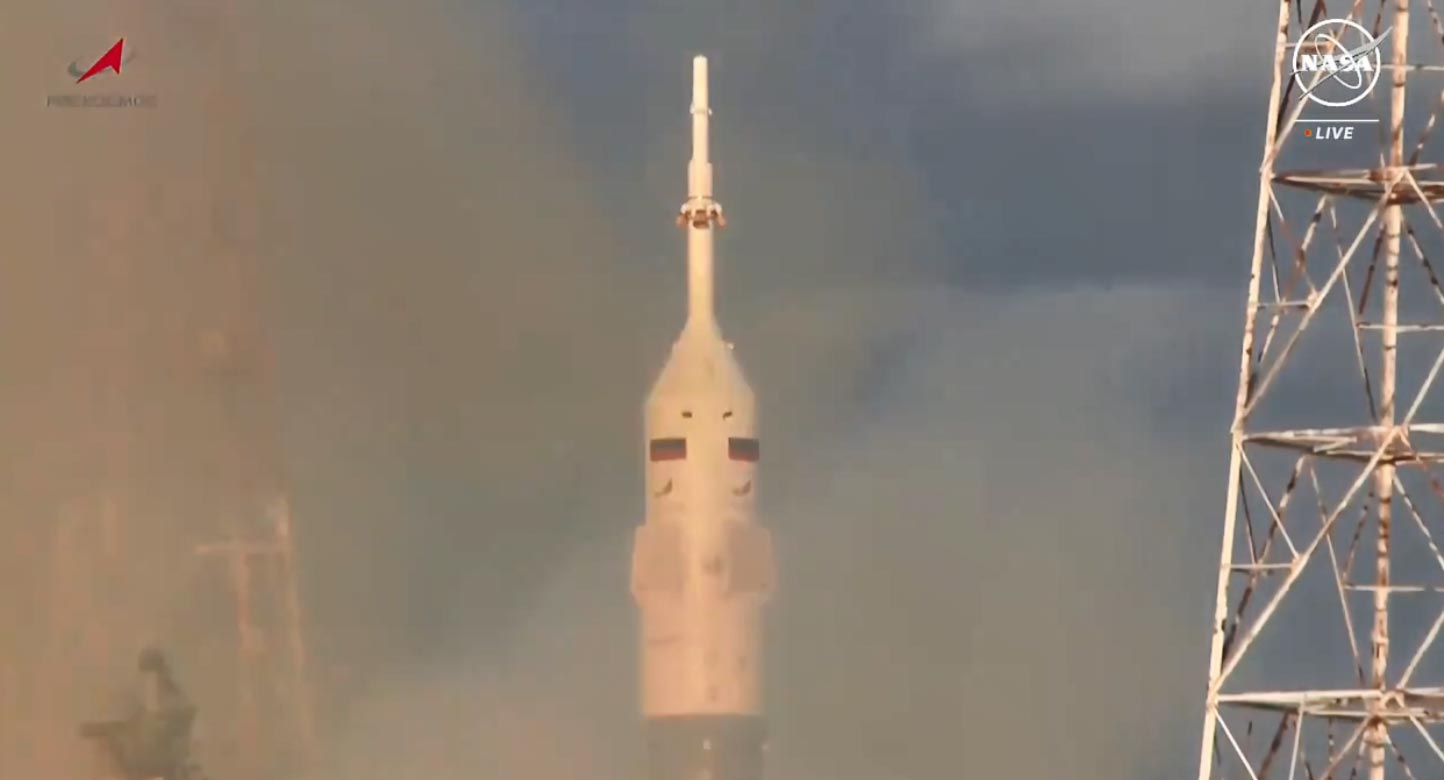
    Soyuz MS-25 Spacecraft Lifts Off
    The Soyuz MS-25 spacecraft lifts off from the Baikonur Cosmodrome in Kazakhstan on March 23, 2024. Credit: NASA TV

    NASA astronaut Tracy C. Dyson, Roscosmos cosmonaut Oleg Novitskiy, and spaceflight participant Marina Vasilevskaya of Belarus are safely in orbit on the Soyuz MS-25 spacecraft after launching at 8:36 a.m. EDT on March 23, 2024, from the Baikonur Cosmodrome in Kazakhstan (5:36 p.m. Baikonur time).

    The Soyuz will dock to the space station’s Prichal module at about 11:09 a.m. Monday, March 25. About two hours after docking, hatches between the Soyuz and the station will open.

    NASA docking coverage will begin at 10:15 a.m. on NASA+, NASA Television, the NASA app, YouTube, and the agency’s website. Learn how to stream NASA TV through a variety of platforms including social media.
    Soyuz MS-24 Spacecraft Approaches the International Space Station
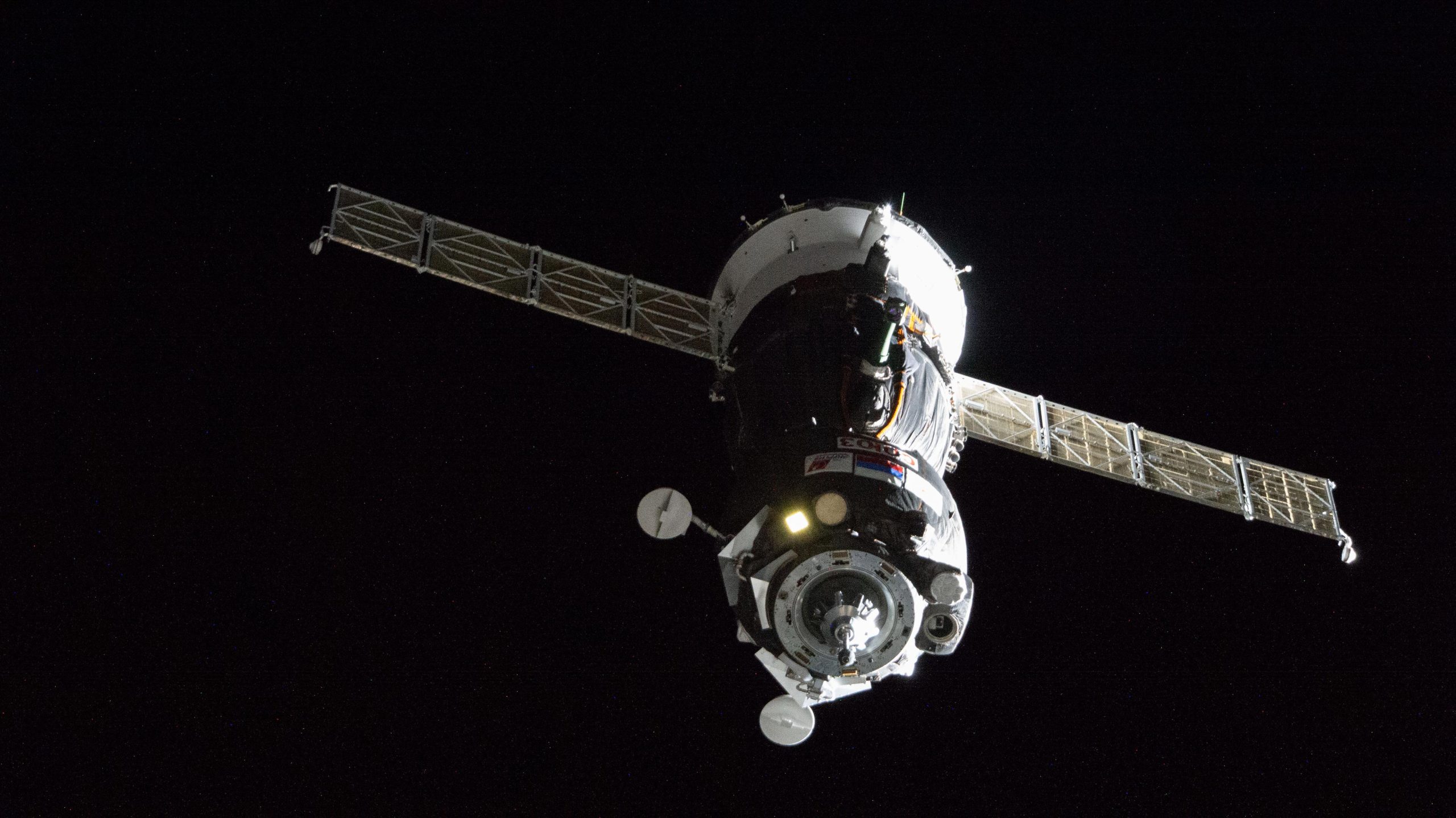
    The Soyuz MS-24 spacecraft carrying three crew members approaches the International Space Station for a docking to the Rassvet module. on September 15, 2023. Nearly three-and-half hours after launching from the Baikonur Cosmodrome in Kazakhstan, NASA astronaut Loral O’Hara along with Roscosmos cosmonauts Oleg Kononenko and Nikolai Chub, would open the Soyuz hatch, enter the station, and begin their space research mission. Credit: NASA

    The Soyuz spacecraft is a series of spacecraft designed for the Soviet space program by the Korolev Design Bureau (now RKK Energia) in the 1960s. It has become one of the most reliable and frequently used launch vehicles in the history of space exploration. The Soyuz spacecraft are used for carrying crew and cargo to and from the International Space Station (ISS) and have been in service for over five decades, making them the longest-serving operational spacecraft.

    The Soyuz consists of three parts: the Orbital Module, which provides living space for the crew during their mission; the Descent Module, which houses the crew during launch, re-entry, and landing; and the Service Module, which contains the spacecraft’s systems and supplies. It is known for its robustness and safety features, including a launch escape system that can quickly evacuate the crew in case of a launch emergency.

    Throughout its service, the Soyuz has undergone several upgrades and variations, adapting to new technological advancements and mission requirements. Its enduring presence in space exploration symbolizes the success and resilience of human spaceflight endeavors.

    Never miss a breakthrough: Join the SciTechDaily newsletter.
    Follow us on Google and Google News.

    Astronaut International Space Station NASA
    Share. Facebook Twitter Pinterest LinkedIn Email Reddit

    Related Articles

    NASA’s Crew-9 Returns After 286-Day Mission With a Spectacular Splashdown in the Gulf of America

    NASA’s SpaceX Crew-9 Splashes Down Off Coast of Florida

    SpaceX Dragon Undocks With NASA Crew-9 Members for Return to Earth

    Liftoff! NASA’s SpaceX Crew-10 Blasts Off From Kennedy Space Center [Video]

    Rocket Ready: NASA’s SpaceX Crew-10 Set for Liftoff

    NASA’s SpaceX Crew-10 Was Moments From Liftoff – Then a Last-Minute Malfunction Shut It Down

    NASA’s SpaceX Crew-10: Four Astronauts, a 17,500 MPH Rocket, and 200+ Experiments

    No Treadmill, No Problem – NASA’s Space Workout Experiment Could Change Fitness Forever

    NASA and SpaceX’s Unexpected Spacecraft Swap Sends Crew-10 to Space Sooner

    Leave A Reply Cancel Reply

    • Facebook
    • Twitter
    • Pinterest
    • YouTube

    Don't Miss a Discovery

    Subscribe for the Latest in Science & Tech!

    Trending News

    Don’t Miss: A Brilliant Venus and Glowing Harvest Moon Light Up the Sky

    New Twist on the Einstein Problem Reveals Unexpected Physics

    JWST Captures Stunning Evidence of How Supermassive Black Holes Feed

    Early Exercise May Permanently Change How Much Energy the Body Uses To Move

    New Molecule Wipes Out Aggressive Lymphoma Tumors in Mice in Just 11 Days

    The Human Family Tree May Need a Major Rewrite

    Scientists Find a Surprising Cancer-Fighting Effect in Dark Sweet Cherries

    New AI Detects Hidden Warning Signs of Solar Eruptions Hours Before They Emerge

    Follow SciTechDaily
    • Facebook
    • Twitter
    • YouTube
    • Pinterest
    • Newsletter
    • RSS
    SciTech News
    • Biology News
    • Chemistry News
    • Earth News
    • Health News
    • Physics News
    • Science News
    • Space News
    • Technology News
    Recent Posts
    • Africa’s Giant Herbivores Were Disappearing Millions of Years Before Humans Could Hunt Them
    • This Utah Mountain Is Hiding Enough Ice To Fill 600 Olympic Pools
    • Vagus Nerve Stimulation Could Unlock the Brain’s Hidden Learning Potential
    • Your Mother’s Age May Leave a Biological Mark That Lasts for Generations
    • Women Who Ate More Antioxidants Had Strikingly Lower Rates of Cervical Cancer
    Copyright © 1998 - 2026 SciTechDaily. All Rights Reserved.
    • Science News
    • About
    • Contact
    • Editorial Board
    • Privacy Policy
    • Terms of Use

    Type above and press Enter to search. Press Esc to cancel.