

Boeing’s Starliner spacecraft completed a three-month flight test to the ISS, landing safely in New Mexico.
This uncrewed mission provided NASA and Boeing with essential data for future crewed missions. Despite challenges like helium leaks and thruster issues, the spacecraft demonstrated its capability for safe space travel. The mission’s insights are crucial for advancing NASA’s goals for space exploration and developing reliable, cost-effective transportation to the ISS.
Safe Return of Starliner Spacecraft
NASA and Boeing safely returned the uncrewed Starliner spacecraft following its landing at 10:01 p.m. MDT September 6 at White Sands Space Harbor in New Mexico, concluding a three-month flight test to the International Space Station (ISS).
“I am extremely proud of the work our collective team put into this entire flight test, and we are pleased to see Starliner’s safe return,” said Ken Bowersox, associate administrator, Space Operations Mission Directorate at NASA Headquarters in Washington. “Even though it was necessary to return the spacecraft uncrewed, NASA and Boeing learned an incredible amount about Starliner in the most extreme environment possible. NASA looks forward to our continued work with the Boeing team to proceed toward certification of Starliner for crew rotation missions to the space station.”
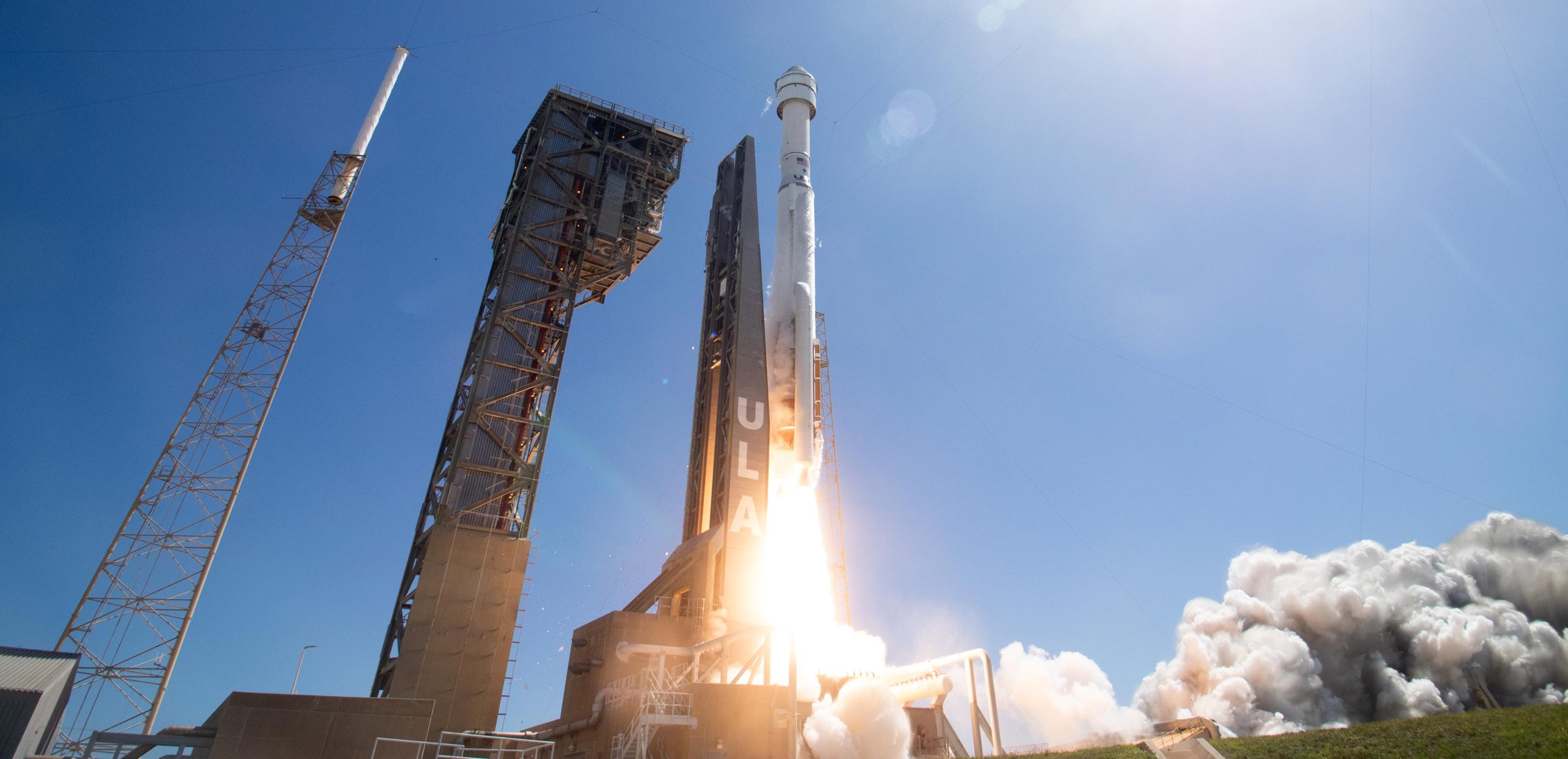
First Crewed Launch and Learning Experience
The flight on June 5 was the first time astronauts launched aboard the Starliner. It was the third orbital flight of the spacecraft, and its second return from the orbiting laboratory. Starliner now will ship to NASA’s Kennedy Space Center in Florida for inspection and processing.
NASA’s Commercial Crew Program requires a spacecraft to fly a crewed test flight to prove the system is ready for regular flights to and from the orbiting laboratory. Following Starliner’s return, the agency will review all mission-related data.
“We are excited to have Starliner home safely. This was an important test flight for NASA in setting us up for future missions on the Starliner system,” said Steve Stich, manager of NASA’s Commercial Crew Program. “There was a lot of valuable learning that will enable our long-term success. I want to commend the entire team for their hard work and dedication over the past three months.”
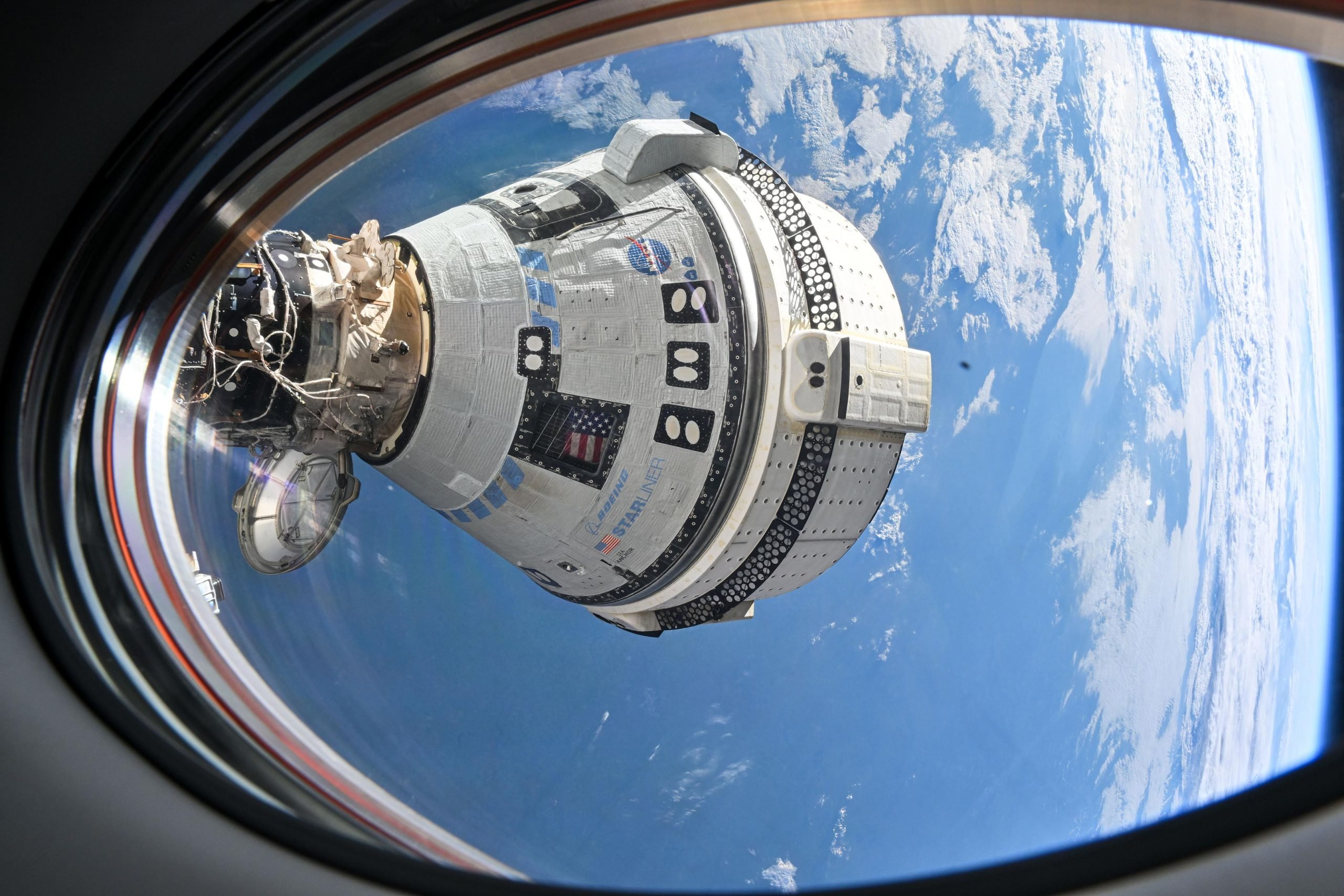
Challenges and Adjustments During Flight
NASA astronauts Butch Wilmore and Suni Williams launched on June 5 aboard Starliner for the agency’s Boeing Crewed Flight Test from Cape Canaveral Space Force Station in Florida. On June 6, as Starliner approached the space station, NASA and Boeing identified helium leaks and experienced issues with the spacecraft’s reaction control thrusters. Following weeks of in-space and ground testing, technical interchange meetings, and agency reviews, NASA made the decision to prioritize safety and return Starliner without its crew. Wilmore and Williams will continue their work aboard station as part of the Expedition 71/72 crew, returning in February 2025 with the agency’s SpaceX Crew-9 mission.
The crew flight test is part of NASA’s Commercial Crew Program. The goal of NASA’s Commercial Crew Program is safe, reliable, and cost-effective transportation to and from the International Space Station and low Earth orbit. This already is providing additional research time and has increased the opportunity for discovery aboard humanity’s microgravity testbed, including helping NASA prepare for human exploration of the Moon and Mars.
Never miss a breakthrough: Join the SciTechDaily newsletter.
Follow us on Google and Google News.
6 Comments
So Boeing saved face. Kind of. For now.
If they learn the wrong lesson from this, though, it might still come back to bite them down the road.
I think you’re right, they didn’t quite save face, and it’s the wrong lesson learned. They chose to end the landing broadcast scripted with “Starliner has returned safely. Well done to the entire mission for a successful docking, de-orbit, and landing. Starliner has once again proven herself a safe ride to and from space. On behalf of the entire team, welcome home Calypso” and I disagree entirely. If a full 737 takes off, has problems in flight, and lands with everyone in it missing, we don’t call it a successful safe flight. There was nobody in it because it was not a safe ride to space, so it couldn’t be and was not a safe ride from space, and now the crew is stranded after abandoning ship. Boeing congratulated entirely the team for mission success and welcomed home an empty broken tin can. Instead of admitting mistakes promising to do better, their gushing self-congratulations for what they consider total success demonstrated a reason why anything with Boeing on it seems to be a death-trap. NASA made the right safety decision pulling its crew.
Funny how a serious scientific mission has turned into a PR match between two space giants. The astronauts are acting as balls and they’re in Musk’s court now. He better not strike out.
So right again with the astronauts! I want to be critical, but I think NASA picked the right course privatizing spaceflight. Competition and popularization are the future. Plus NASA learned safety the hard way, and were willing to embarrass Boeing by keeping control in transition to that future, and docking the astronauts on the ISS, versus risking asphyxiating or incinerating them. The best people get sent up, and they won’t hesitate to hitch a ride on a Soyuz if that’s the safest choice. Had Boeing done good PR, returning the thing earnestly so they could investigate problems and repair them, instead of mission-complete ego marketing spin, I’d not be so rude. They could learn from this article by NASA, honestly and diplomatically saying it was “troubled” by “challenges” but still can be “capable of safe space flight”. I haven’t followed the new space race closely enough, and I only notice SpaceX whenever their rockets explode, often and always successfully of course. Hopefully SpaceX does a good prompt job, but had better not rush it. If they burst those balls, it’s a step back for all mankind.
To both NASA and Boeing: It is too soon to celebrate. You left two people up there. Get back to finishing the bigger mission.
Boeing, celebrating is only hindering your ability to adaptively overcome. To send a manned spacecraft back to earth unmanned is nothing but a “complete” failure. The entire allure of space is to be able to enter and exit without incident, that eventually each and everyone of us will look to the stars as our playground and the masses will follow.
We only get to the stars by dedication to that hard work. Stop trying to make everything seem simple and make the dedication to it…
Keep it simple…