
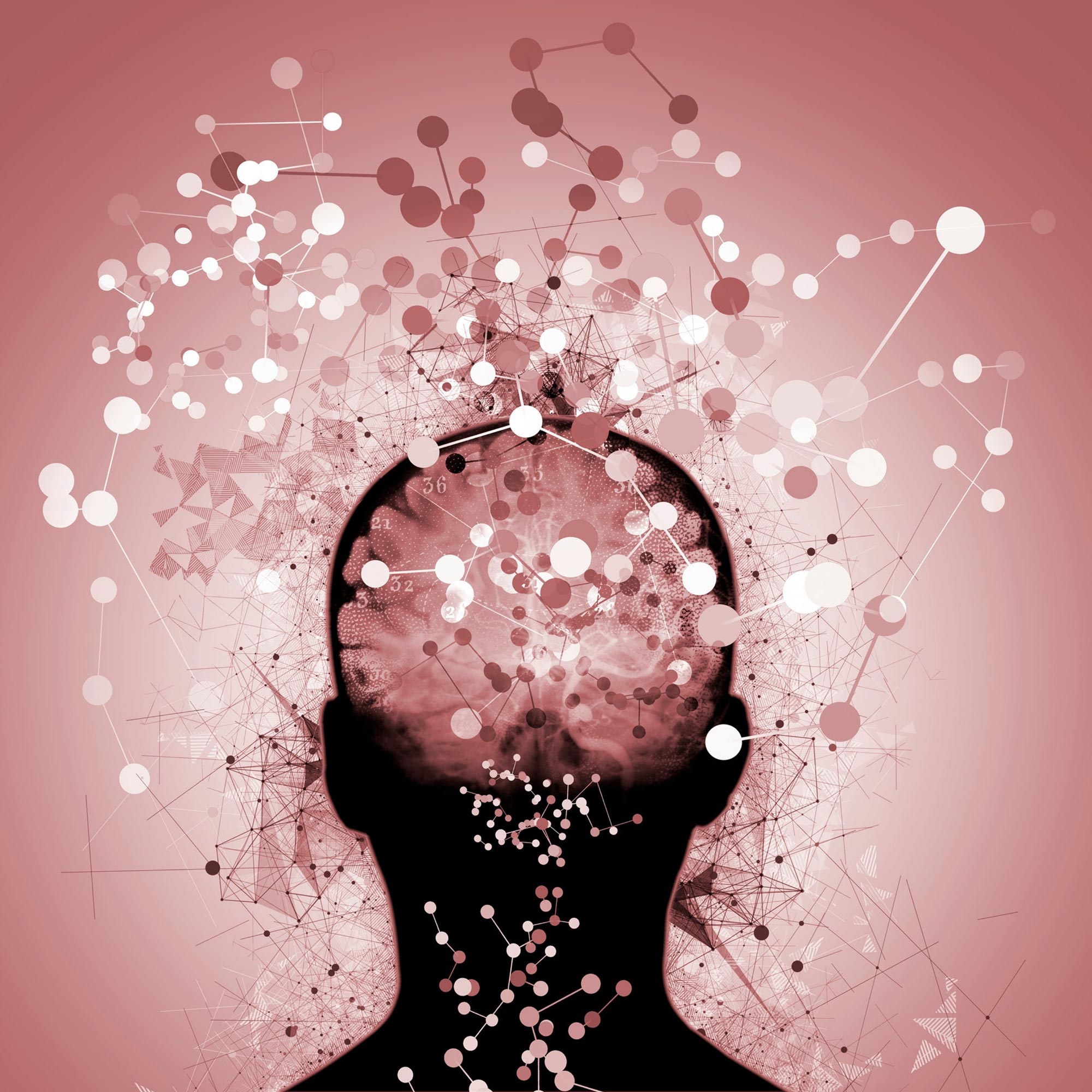
The study’s findings suggest that the key to combating Alzheimer’s disease may lie not only in the brain but also in our muscles.
Alzheimer’s disease (AD) is a progressive condition marked by memory loss and declining cognitive function, and there is still no cure. Among the many factors that influence brain health, regular physical activity consistently stands out as one of the most protective.
Scientists have increasingly found connections between skeletal muscle activity and cognitive performance. New research from Florida Atlantic University and collaborators at the Novo Nordisk Foundation Center for Basic Metabolic Research strengthens that link, suggesting that strategies to combat AD may need to look beyond the brain itself and consider the role of muscle biology.
Muscle signals reshape brain resilience
At the center of the study is Cathepsin B (Ctsb), a protein previously studied in cancer and brain injury research. Ctsb also acts as a myokine, meaning it is released by muscles during exercise and can affect other organs, including the brain. In research published in Aging Cell, investigators tested whether boosting Ctsb specifically in muscle could protect brain function in a mouse model of AD.
To do this, they delivered the Ctsb gene into muscle cells using a viral vector, a modified virus designed to carry genetic material safely into targeted tissues. The mice used in the study carried human genetic mutations that reproduce key features of Alzheimer’s disease, including memory impairment and amyloid buildup.

The results were notable. Mice that received the muscle-targeted Ctsb treatment did not develop the expected memory problems seen in untreated AD model mice. Growth of new neurons in the hippocampus, a region essential for learning and memory, was preserved. In addition, protein patterns in the brain, muscle, and blood of treated animals more closely resembled those of healthy mice. Together, these findings suggest that elevating Ctsb levels in muscle tissue may help counteract some of the functional consequences of AD.
“Our study is the first to show that expressing Cathepsin B specifically in muscle can prevent memory loss and maintain brain function in a mouse model of Alzheimer’s disease,” said Henriette van Praag, Ph.D., corresponding author and an associate professor of biomedical science in the FAU Charles E. Schmidt College of Medicine and a member of the FAU Stiles-Nicholson Brain Institute (SNBI). “Our findings suggest that modulating muscle Ctsb through gene therapy, and perhaps even drugs or exercise, could slow down or reverse memory decline by promoting brain cell growth, restoring protein balance, and rebalancing brain activity.”
Benefits occur despite persistent pathology
Interestingly, the treatment did not reduce the hallmark AD features, such as inflammation or plaques, which are generally considered the main therapeutic targets. Despite these persistent signs of disease, brain function improved, indicating that Ctsb may support memory and cognition through as of yet sparsely explored pathways – possibly by restoring the brain’s ability to produce proteins essential for adult neurogenesis, synaptic plasticity, and learning and memory.
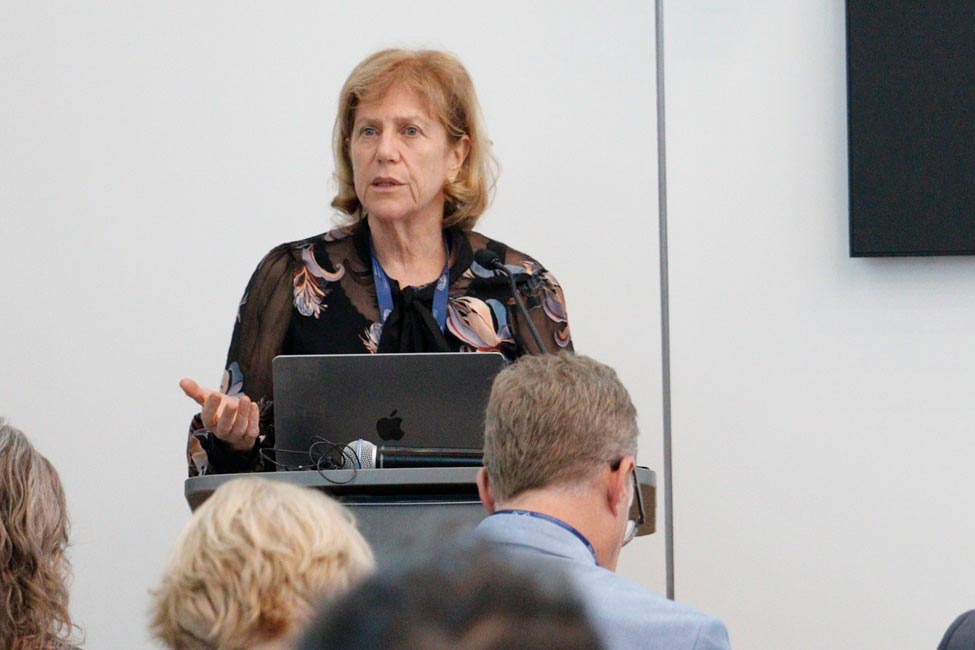
“We’ve long known that physical activity benefits the brain, but this study brings us closer to understanding how that happens at a molecular level,” said Atul S. Deshmukh, Ph.D., co-corresponding author and an associate professor at the Novo Nordisk Foundation Center for Basic Metabolic Research, University of Copenhagen. “Muscle isn’t just a mechanical tissue – it’s a powerful communicator with the brain. This opens exciting possibilities for new treatments that harness the body’s own biology to fight neurodegeneration.”
The effects, however, were not the same in healthy mice. When Ctsb was given to mice without AD it appeared to harm their memory, potentially due to differential processing of the gene therapy vector in healthy versus AD mouse muscle.
Toward muscle-targeted therapies
Although more research is needed, especially in humans, this study adds to a growing body of evidence that the muscles and brain are deeply connected—and that improving muscle health could offer new ways to treat or even prevent neurodegenerative diseases.
“While there’s still much to learn, our work reinforces a powerful idea: the path to protecting the brain may start in the body,” said van Praag. “Targeting muscle may have the potential to become a novel, low-cost, non-invasive therapeutic intervention for neurodegenerative disease that would be accessible to many patients.”
“These studies represent a significant step in understanding mechanisms by which exercise, and specifically muscle-derived molecules, can support brain health,” said Randy Blakely, Ph.D., executive director of the SNBI, the David J.S. Nicholson Distinguished Professor in Neuroscience, and a professor of biomedical science in the Schmidt College of Medicine. “By showing that signals from our muscles can profoundly influence memory and cognition, the work adds significantly to our appreciation of the complex links between body and brain. The work is striking not only in its relevance for new medications to treat Alzheimer’s disease, but also as a cogent example of how biological factors derived from healthy lifestyle opportunities can be identified and may support resilience to the challenges of aging.”
Reference: “Muscle Cathepsin B Treatment Improves Behavioral and Neurogenic Deficits in a Mouse Model of Alzheimer’s Disease” by Alejandro Pinto, Hazal Haytural, Cássio Morais Loss, Claudia Alvarez, Asude Ertas, Olivia Curtis, Alyssa R. Williams, Grayson Murphy, Kenneth J. Salleng, Sylvia Gografe, Nishant P. Visavadiya, Andy V. Khamoui, Ali Altıntaş, Tal Kafri, Romain Barres, Atul S. Deshmukh and Henriette van Praag, 5 October 2025, Aging Cell.
DOI: 10.1111/acel.70242
The work was supported by grants from the Novo Nordisk Foundation to Deshmukh, the National Institutes of Health awarded to co-author Tal Kafri, M.D., Ph.D., University of North Carolina School of Medicine; and by the Ed and Ethel Moore Alzheimer’s Disease Research Program of the Florida Department of Health awarded to van Praag.
Never miss a breakthrough: Join the SciTechDaily newsletter.
Follow us on Google and Google News.
2 Comments
OR….AD starts in the muscles to begin with. If a person’s muscles aren’t functioning well due to low cathepsin B, they will stop exercising because it is difficult and not enjoyable and maybe even painful and exhausting. Maybe it’s not lack of exercise that increases the risk of AD, but rather that not exercising is an early symptom OF Alzheimer’s. Low muscular cathepsin B should be studied as the CAUSE of, or contributing factor to, AD.
“Low muscular cathepsin B should be studied as the CAUSE of, or contributing factor to, AD.”
One should certainly entertain the alternative working hypothesis that the cause and effect are inverted. T. C. Chamberlain’s ‘Method of Multiple Working Hypotheses’ is under appreciated and one rarely sees reference to it. However, ALL scientists should read his paper at least once. [ https://webhome.auburn.edu/~tds0009/Articles/Chamberlain%201965.pdf ]
There are many reasons why people exercise less as they age, ranging from practical considerations of limited time as one pursues a career and/or raises children, or takes on responsibilities of aging parents. It is not uncommon for people to gain weight as they age, making exercise more challenging. Also, old injuries may contribute to aches and pains that discourage people from exercising. While it might be an early symptom of AD, there are lots of reasons to assume that other things are responsible for the aches and pains of aging. Overall, I’m more inclined to think that the assumption presented here is the correct one, but I do agree that a more formal approach to determining causality is appropriate.