
Close Menu
    Facebook X (Twitter) Instagram
    SciTechDaily
    • Biology
    • Chemistry
    • Earth
    • Health
    • Physics
    • Science
    • Space
    • Technology
    Facebook X (Twitter) Pinterest YouTube RSS
    SciTechDaily
    Home»Biology»Why Do We Need Sleep? Oxford Scientists Trace the Answer to Mitochondria
    Biology

    Why Do We Need Sleep? Oxford Scientists Trace the Answer to Mitochondria

    By University of OxfordSeptember 2, 20253 Comments3 Mins Read
    Facebook Twitter Pinterest Telegram LinkedIn WhatsApp Email Reddit
    Share
    Facebook Twitter LinkedIn Pinterest Telegram Email Reddit
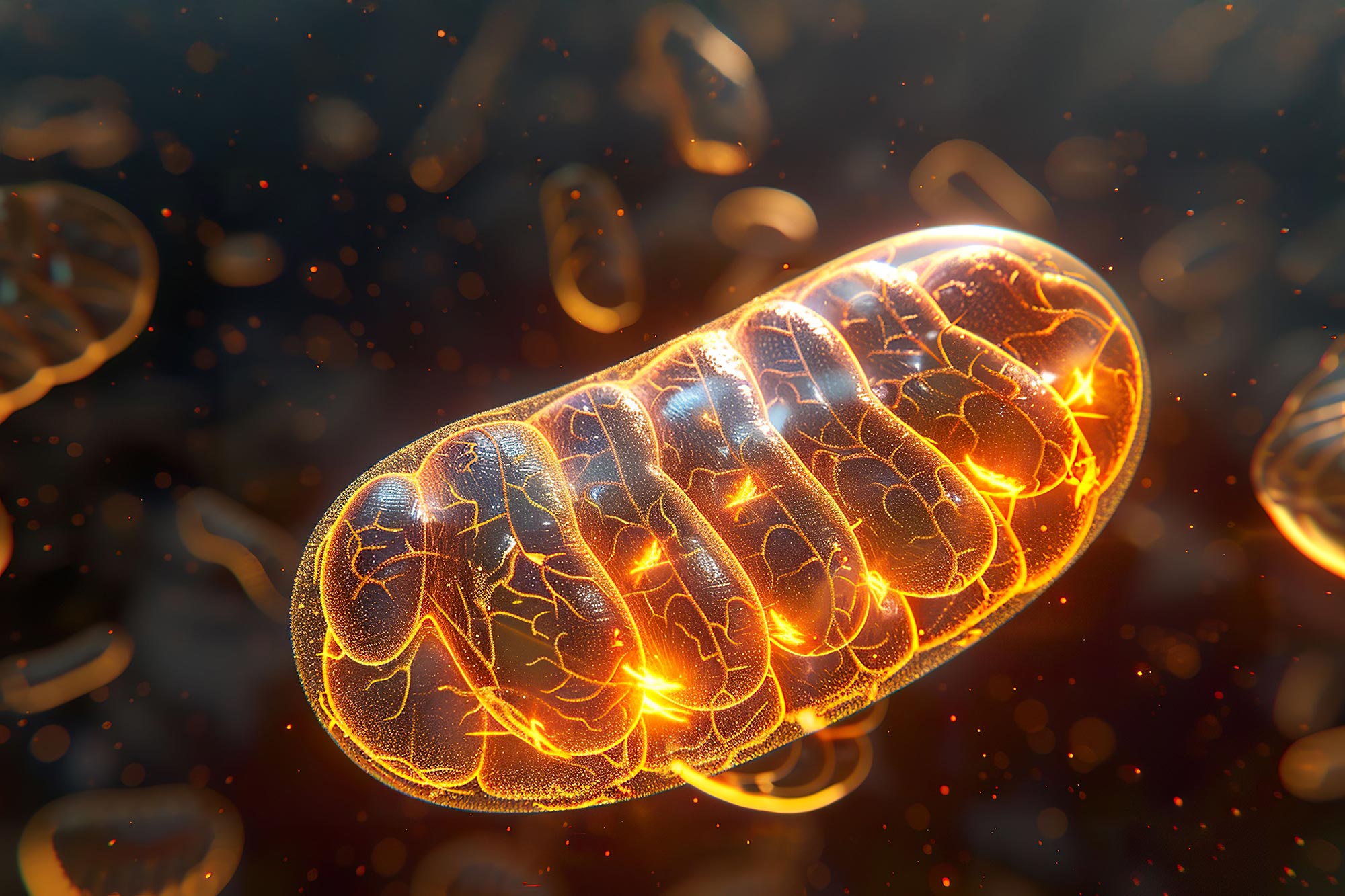
    Mitochondria Illustration
    Oxford scientists have found that sleep may be triggered by tiny energy leaks in brain cell mitochondria, suggesting our nightly rest is a vital safety mechanism for the body’s power supply. Credit: Stock

    A new study reveals that a buildup of metabolism in specialized brain cells is what triggers the need for sleep.

    Sleep may serve as more than rest for the mind; it may also function as essential upkeep for the body’s energy systems. A new study from University of Oxford researchers, published in Nature, shows that the drive to sleep is caused by electrical stress building up in the tiny energy-producing structures of brain cells.

    This finding provides a concrete physical explanation for the biological need for sleep and has the potential to reshape scientific thinking about sleep, aging, and neurological disorders.

    Mitochondria and energy imbalance

    The research team, led by Professor Gero Miesenböck from the Department of Physiology, Anatomy and Genetics (DPAG) and Dr. Raffaele Sarnataro at Oxford’s Centre for Neural Circuits and Behaviour, discovered that sleep is triggered when the brain responds to a subtle imbalance in energy. The central role lies with the mitochondria, microscopic organelles that convert oxygen and food into usable energy.

    In certain sleep-regulating neurons studied in fruit flies, mitochondria that become overloaded begin leaking electrons. This leakage produces harmful byproducts called reactive oxygen species. The leak functions as a signal that forces the brain into sleep, allowing balance to be restored before cellular damage spreads further.

    “You don’t want your mitochondria to leak too many electrons,” said Dr. Sarnataro. “When they do, they generate reactive molecules that damage cells.”

    Neurons as circuit breakers

    The team also discovered that specialized neurons behave like circuit breakers: they monitor the electron leak from mitochondria and trigger sleep once a critical threshold is reached. By altering how these cells managed their energy—either increasing or reducing electron flow—the scientists were able to directly control the amount of sleep in fruit flies.

    Even replacing electrons with energy from light (using proteins borrowed from microorganisms) had the same effect: more energy, more leak, more sleep.

    Professor Miesenböck said: “We set out to understand what sleep is for, and why we feel the need to sleep at all. Despite decades of research, no one had identified a clear physical trigger. Our findings show that the answer may lie in the very process that fuels our bodies: aerobic metabolism. In certain sleep-regulating neurons, we discovered that mitochondria – the cell’s energy producers – leak electrons when there is an oversupply. When the leak becomes too large, these cells act like circuit breakers, tripping the system into sleep to prevent overload.”

    The findings help explain well-known links between metabolism, sleep, and lifespan. Smaller animals, which consume more oxygen per gram of body weight, tend to sleep more and live shorter lives. Humans with mitochondrial diseases often experience debilitating fatigue even without exertion, now potentially explained by the same mechanism.

    “This research answers one of biology’s big mysteries,” said Dr. Sarnataro. “Why do we need sleep? The answer appears to be written into the very way our cells convert oxygen into energy.”

    Reference: “Mitochondrial origins of the pressure to sleep” by Raffaele Sarnataro, Cecilia D. Velasco, Nicholas Monaco, Anissa Kempf and Gero Miesenböck, 16 July 2025, Nature.
    DOI: 10.1038/s41586-025-09261-y

    Never miss a breakthrough: Join the SciTechDaily newsletter.
    Follow us on Google and Google News.

    Metabolism Mitochondria Neuroscience Sleep Science University of Oxford
    Share. Facebook Twitter Pinterest LinkedIn Email Reddit

    Related Articles

    Scientists Discover Why We Need Sleep – “Important Work Is Being Done”

    Scientists Uncover Brain Mechanism That May Explain Why Sleep Helps You Learn

    Healthy Sleep Linked to Earthquake-Like Brain-Wave Bursts of Intrinsic Arousal Activations

    Intense Brain Activity Drives Need for Sleep, Not Just How Long You’ve Been Awake

    Marijuana Munchies: How the Appetite Center of the Brain Responds to Marijuana

    Some People Suffer Excessive Sleepiness Due to Naturally Occurring Sedative

    Traumatic Memories Manipulated in Sleeping Mice

    Sleeping Longer On Weekends Doesn’t Erase Sleep Debt

    Transcranial Direct Current Stimulation: The Ethics of Brain Boosting

    3 Comments

    1. Eric Johnson on September 3, 2025 10:08 am

      I don’t see how it is possible for mitochondria to “build up metabolism,” but I can imagine how they might build up, or accumulate metabolites.

      Reply
      • John Smee on September 4, 2025 1:47 pm

        Yes, thank you for your comment — I also found that statement confusing.

        Reply
    2. MGRay on September 4, 2025 12:52 pm

      It could be that the electron leak is the trigger to sleep, but not the reason bodies need to sleep.

      Reply
    Leave A Reply Cancel Reply

    • Facebook
    • Twitter
    • Pinterest
    • YouTube

    Don't Miss a Discovery

    Subscribe for the Latest in Science & Tech!

    Trending News

    Scientists Discover Game-Changing New Way To Treat High Cholesterol

    This Small Change to Your Exercise Routine Could Be the Secret to Living Longer

    Scientists Discover 430,000-Year-Old Wooden Tools, Rewriting Human History

    AI Could Detect Early Signs of Alzheimer’s in Under a Minute – Far Before Traditional Tests

    What if Dark Matter Has Two Forms? Bold New Hypothesis Could Explain a Cosmic Mystery

    This Metal Melts in Your Hand – and Scientists Just Discovered Something Strange

    Beef vs. Chicken: Surprising Results From New Prediabetes Study

    Alzheimer’s Breakthrough: Scientists Discover Key Protein May Prevent Toxic Protein Clumps in the Brain

    Follow SciTechDaily
    • Facebook
    • Twitter
    • YouTube
    • Pinterest
    • Newsletter
    • RSS
    SciTech News
    • Biology News
    • Chemistry News
    • Earth News
    • Health News
    • Physics News
    • Science News
    • Space News
    • Technology News
    Recent Posts
    • Revolutionary Imaging Technique Unlocks Secrets of Matter at Extreme Speeds
    • Where Does Mass Come From? Scientists Find Evidence of a New Exotic Nuclear State
    • Quantum Breakthrough: Unhackable Keys Sent Over 120 km Using Quantum Dots
    • Researchers Discover Unknown Beetle Species Just Steps From Their Lab
    • Jellyfish Caught Feasting on Exploding Sea Worms for the First Time
    Copyright © 1998 - 2026 SciTechDaily. All Rights Reserved.
    • Science News
    • About
    • Contact
    • Editorial Board
    • Privacy Policy
    • Terms of Use

    Type above and press Enter to search. Press Esc to cancel.