
Close Menu
    Facebook X (Twitter) Instagram
    SciTechDaily
    • Biology
    • Chemistry
    • Earth
    • Health
    • Physics
    • Science
    • Space
    • Technology
    Facebook X (Twitter) Pinterest YouTube RSS
    SciTechDaily
    Home»Health»Your Washing Machine Might Be Helping Antibiotic-Resistant Bacteria Spread
    Health

    Your Washing Machine Might Be Helping Antibiotic-Resistant Bacteria Spread

    By PLOSMay 12, 20257 Comments3 Mins Read
    Facebook Twitter Pinterest Telegram LinkedIn WhatsApp Email Reddit
    Share
    Facebook Twitter LinkedIn Pinterest Telegram Email Reddit
    Washing Machine
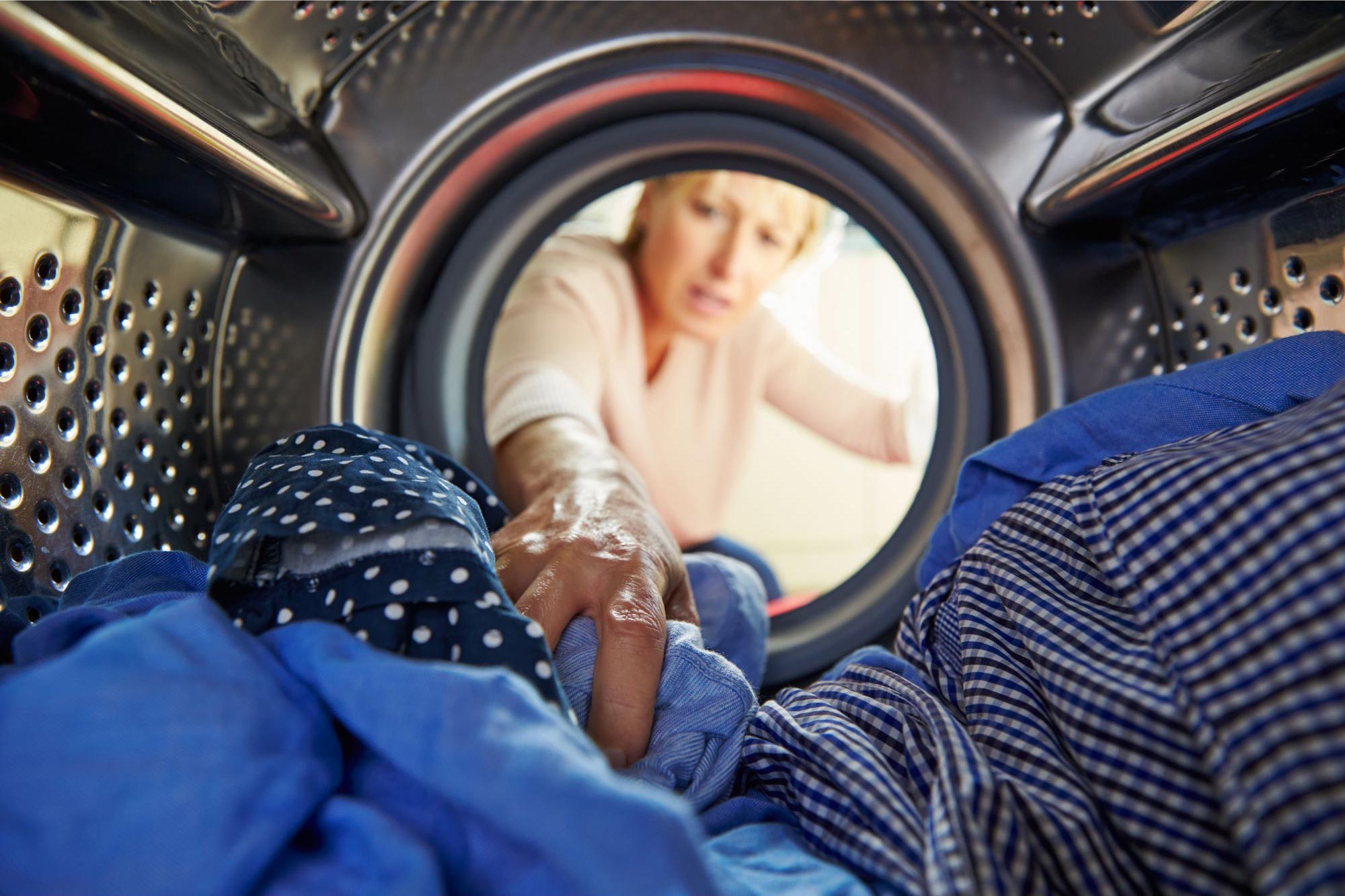
    A new study has uncovered that standard home laundering practices used by healthcare workers may be enabling the survival and spread of antibiotic-resistant bacteria. The findings suggest that home washing machines often fail to disinfect uniforms, possibly fueling the rise of hospital-acquired infections.

    A new study reveals that biofilms in washing machines may contain potential pathogens and antibiotic resistance genes, posing possible risks for laundering healthcare workers’ uniforms at home.

    Washing healthcare uniforms at home could be inadvertently aiding the spread of antibiotic-resistant infections within hospitals, according to new research led by Katie Laird of De Montfort University. The findings were recently published in the open-access journal PLOS One.

    Hospital-acquired infections remain a serious public health issue, partly because they often involve bacteria resistant to antibiotics. While many healthcare professionals launder their uniforms at home using conventional washing machines, previous research has shown that clothing can serve as a vehicle for bacterial transmission. This raises concerns about whether home washing methods are sufficient to eliminate harmful pathogens.

    In this new study, researchers tested six different models of domestic washing machines by laundering fabric swatches contaminated with bacteria under both rapid and standard hot-water cycles. Results showed that 50% of the machines failed to effectively disinfect the samples during the rapid cycle. Alarmingly, one-third also failed to fully decontaminate the fabrics even during the longer, standard wash cycle.

    Pre and Post Domestic Laundering of Bacteria Contaminated Textiles
    Pre- and post-domestic laundering of bacteria-contaminated textiles. Credit: Dr. Caroline Cayrou, CC-BY 4.0

    Dangerous Biofilms and Hidden Resistance

    The team also sampled biofilms from inside 12 washing machines. DNA sequencing revealed the presence of potentially pathogenic bacteria and antibiotic resistance genes. Investigations also showed that bacteria can develop resistance to domestic detergent, which also increased their resistance to certain antibiotics.

    Together, the findings suggest that many home washing machines may be insufficient for decontaminating healthcare worker uniforms, and may be contributing to the spread of hospital-acquired infections and antibiotic resistance. The researchers propose that the laundering guidelines given to healthcare workers should be revised to ensure that home washing machines are cleaning effectively. Alternatively, healthcare facilities could use on-site industrial machines to launder uniforms to improve patient safety and control the spread of antibiotic-resistant pathogens.

    The authors add: “Our research shows that domestic washing machines often fail to disinfect textiles, allowing antibiotic-resistant bacteria to survive. If we’re serious about transmission of infectious disease via textiles and tackling antimicrobial resistance, we must rethink how we launder what our healthcare workers wear.”

    Reference: “Domestic laundering of healthcare textiles: Disinfection efficacy and risks of antibiotic resistance transmission” by Caroline Cayrou, Katie Silver, Lucy Owen, Jake Dunlop and Katie Laird, 30 April 2025, PLOS ONE.
    DOI: 10.1371/journal.pone.0321467

    This research was funded by De Montfort University and the Textile Services Association.

    Never miss a breakthrough: Join the SciTechDaily newsletter.
    Follow us on Google and Google News.

    Infectious Diseases PLOS Popular Public Health
    Share. Facebook Twitter Pinterest LinkedIn Email Reddit

    Related Articles

    Threatening Mutations: Researchers Identify COVID-19 Variants With Potential To Escape Cellular Immune Response

    Your Likely Order of COVID-19 Symptoms Depends on the Variant

    CDC Failure: Internal Investigation Finds Design Errors and Contamination in First Batch of COVID-19 Tests

    Several FDA-Approved Drugs Could Be Repurposed To Treat People Infected With COVID-19

    Fasting May Help Ward Off Infections – Protects Against Foodborne Illness Such As Salmonella

    New Research Finds Most People Are Naturally Armed Against the COVID-19 Coronavirus

    Testing Shows COVID-19 Lingered Longer Than Reported in Wuhan, China

    New Strategy Identifies Existing Drug That Inhibits COVID-19 Virus – Outperforms Remdesivir

    Key Insights on How Coronavirus Spreads From Chinese Megacity of Shenzhen

    7 Comments

    1. Karaevelli on May 12, 2025 6:25 am

      What about the high heat in the dryer ?

      Reply
    2. Jeff on May 12, 2025 7:23 am

      More junk Science from the junk Science people .

      Reply
    3. Common sense on May 12, 2025 8:54 am

      Dry the clothes in sun.

      Reply
    4. Boba on May 12, 2025 9:51 am

      This is not science, this is just spreading paranoia now.

      Reply
    5. Elmer Pop on May 13, 2025 12:43 am

      Research funded by the textile services association, a private organization selling commercial laundry services. This world …

      Reply
    6. Just a person on May 13, 2025 12:48 pm

      You always tell us we’re doing something wrong, but can’t tell us ways to fix it.

      Common

      Reply
    7. Tim G on May 13, 2025 1:10 pm

      But what do we use to combat the problem?
      I worked in healthcare for 43 yrs. as an RN in surgical services. Washed laundry at home all those years, even moreso as the facilities cut back in later years, never got a hospital acquired infection.
      Also the heat from your dryer will kill pathogens

      Reply
    Leave A Reply Cancel Reply

    • Facebook
    • Twitter
    • Pinterest
    • YouTube

    Don't Miss a Discovery

    Subscribe for the Latest in Science & Tech!

    Trending News

    New Study Reveals Why Ozempic Works Better for Some People Than Others

    Climate Change Is Altering a Key Greenhouse Gas in a Way Scientists Didn’t Expect

    New Study Suggests Gravitational Waves May Have Created Dark Matter

    Scientists Discover Why the Brain Gets Stuck in Schizophrenia

    Scientists Engineer “Tumor-Eating” Bacteria That Devour Cancer From Within

    Even “Failed” Diets May Deliver Long-Term Health Gains, Study Finds

    NIH Scientists Discover Powerful New Opioid That Relieves Pain Without Dangerous Side Effects

    Collapsing Plasma May Hold the Key to Cosmic Magnetism

    Follow SciTechDaily
    • Facebook
    • Twitter
    • YouTube
    • Pinterest
    • Newsletter
    • RSS
    SciTech News
    • Biology News
    • Chemistry News
    • Earth News
    • Health News
    • Physics News
    • Science News
    • Space News
    • Technology News
    Recent Posts
    • Scientists Say This Natural Hormone Reverses Obesity by Targeting the Brain
    • This 15,000-Year-Old Discovery Changes What We Know About Early Human Creativity
    • 35-Million-Year-Old Mystery: Strange Arachnid Discovered Preserved in Amber
    • Revolutionary Gas Turbine Generates Power Without Air Compression
    • Is AI Really Just a Tool? It Could Be Altering How You See Reality
    Copyright © 1998 - 2026 SciTechDaily. All Rights Reserved.
    • Science News
    • About
    • Contact
    • Editorial Board
    • Privacy Policy
    • Terms of Use

    Type above and press Enter to search. Press Esc to cancel.