
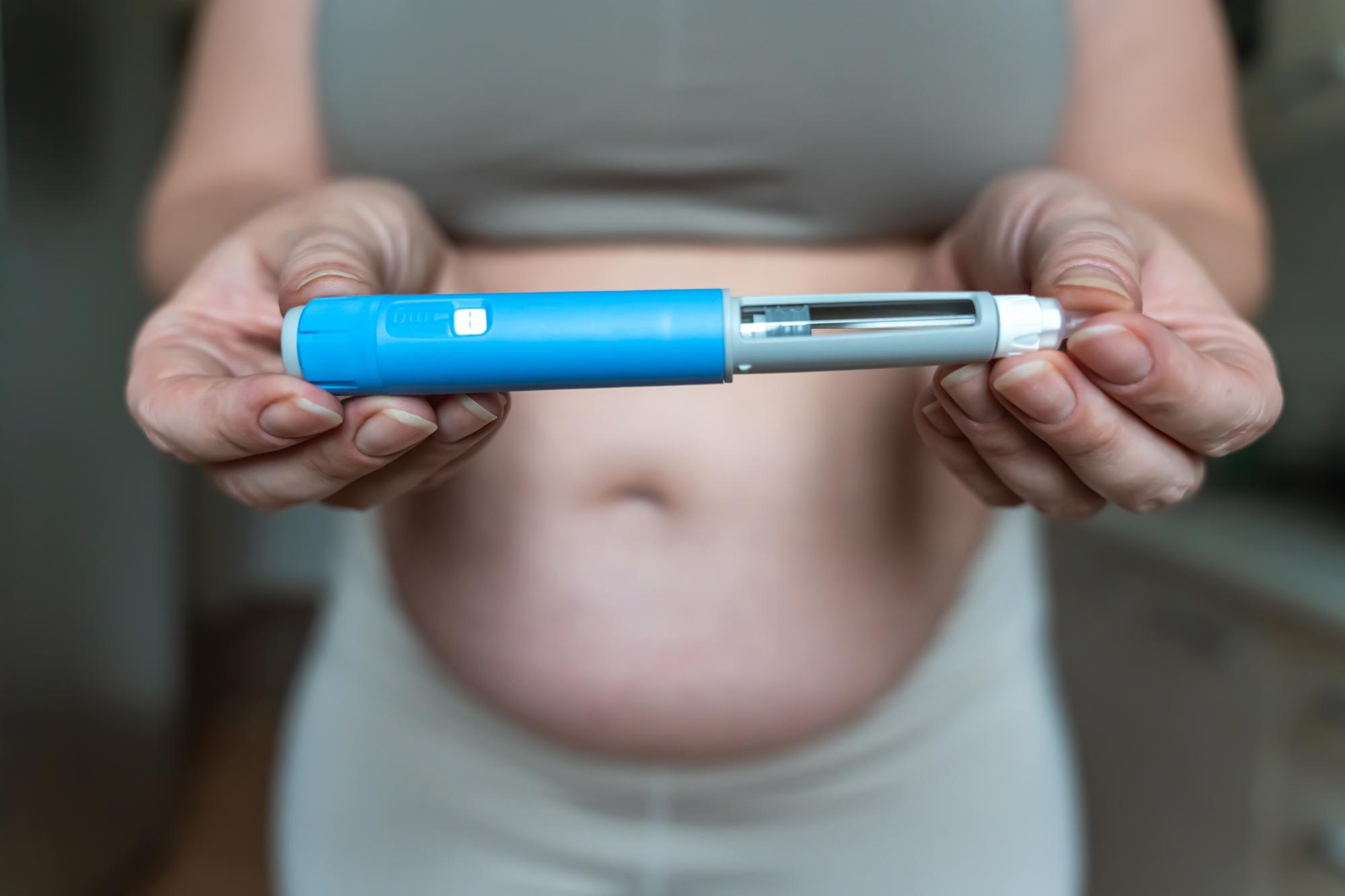
Research by a University of Chicago economist found no measurable changes in mood, employment, or marriage among people taking medications such as Ozempic.
GLP-1 medications such as Ozempic can help people with Type 2 diabetes control blood sugar, lower cardiovascular risk, and, in many cases, lose substantial weight. Yet those medical gains raise another question: Do they also change how people feel, work, or navigate their relationships?
A National Bureau of Economic Research working paper suggests that any broader effects may be less visible than popular accounts imply. Robert Kaestner, an economist at the University of Chicago Harris School of Public Policy, and coauthor Cuiping Schiman found little evidence that GLP-1 use among adults with diabetes produced measurable changes in mental health, self-rated health, employment, or marital status.
“We know these drugs improve health outcomes, and there’s been a great deal of research documenting those benefits,” Kaestner said. “What hadn’t really been examined was whether those improvements extended into other parts of people’s lives—things like employment, relationships, marriage, and mental health.”

The issue has become increasingly relevant as insurers and government programs consider whether to broaden access to these medications. Their established medical benefits are central to those decisions, but evidence of wider social or economic gains could also affect how policymakers assess their overall value.
Tracking individuals removes apparent differences
Kaestner and Schiman examined more than a decade of information from the nationally representative Medical Expenditure Panel Survey. Their analysis focused on adults with diabetes who participated between 2012 and 2023.
Instead of comparing GLP-1 users with a separate group of people who did not take the medications, the researchers followed individuals over time. This allowed them to examine whether a person’s circumstances changed after they began treatment.
The analysis included symptoms of depression and psychological distress, perceived health, employment, and marital status. Simple comparisons initially indicated that GLP-1 users differed from non-users in areas such as employment and marriage.
Those apparent differences largely vanished when the researchers compared each person’s circumstances before and after starting the medication. That pattern suggests the initial gaps reflected existing differences between those who used GLP-1 drugs and those who did not, rather than changes resulting from treatment.
The findings remained similar whether the researchers examined outcomes after approximately one year of use or followed participants across a two-year period. Neither analysis produced much evidence of meaningful changes in the broader measures studied.
Standard measures may miss subtler changes
Kaestner cautioned that the results do not prove GLP-1 medications have no influence outside physical health. Any such effects may be modest, highly individual, or difficult to detect with the available measures.
“We measured outcomes like whether someone became employed or unemployed, whether they got married or divorced, and standard indicators of mental health,” he said. “Those are important measures, but they don’t necessarily capture changes in self-esteem, relationship quality, or other day-to-day experiences.”
A person could therefore experience meaningful changes in confidence, social interactions, or everyday well-being without those differences appearing in measures such as employment or marital status.
Medical benefits remain the clearest
The findings do not weaken the established medical case for GLP-1 treatment. Kaestner said the most consistently measurable benefits for adults with diabetes remain those demonstrated in clinical research, including better glycemic control, weight loss, and improved physical health.
As GLP-1 medications become more widely used for weight management as well as diabetes, additional studies will be needed. Research involving other populations and longer follow-up periods could determine whether broader social or psychological changes become easier to detect over time.
“This is still a very new area of research,” he said. “As use continues to grow, understanding these broader consequences will become increasingly important for patients, clinicians, and policymakers alike.”
Reference: “The Effects of GLP-1 Use on Mental Health, Self-rated Health, Employment, and Marriage” by Robert Kaestner and Cuiping Schiman, May 2026, NBER.
DOI: 10.3386/w35198
Never miss a breakthrough: Join the SciTechDaily newsletter.
Follow us on Google and Google News.