
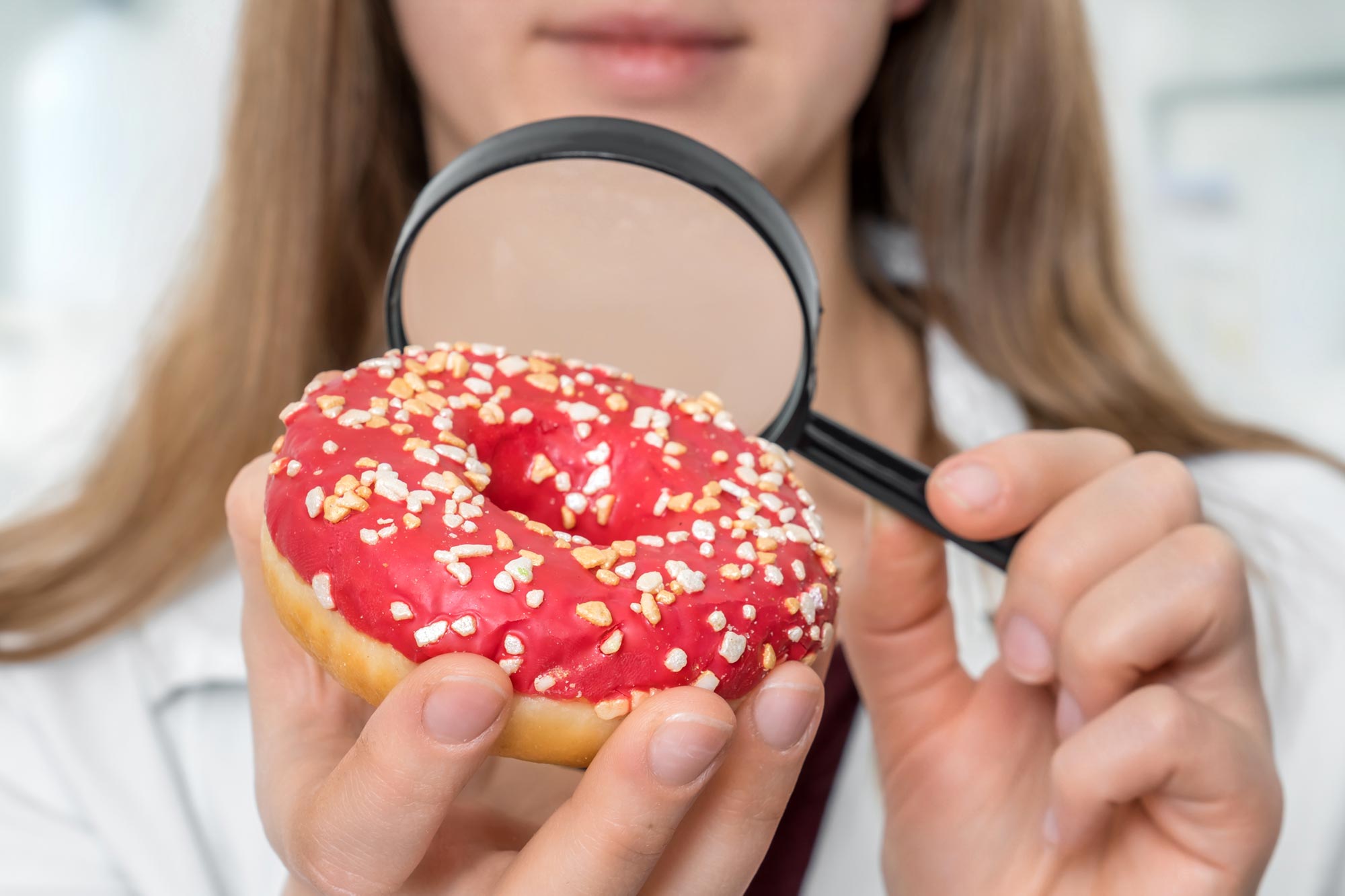
The preservatives that keep processed foods fresh may also be quietly increasing the risk of type 2 diabetes.
Eating more food preservatives, which are commonly added to processed foods and drinks to extend shelf life, has been linked to a higher risk of developing type 2 diabetes. The findings come from a large research effort led by scientists from Inserm, INRAE, Sorbonne Paris Nord University, Paris Cité University and Cnam, working within the Nutritional Epidemiology Research Team (CRESS-EREN). The analysis relied on health and dietary data from more than 100,000 adults enrolled in the NutriNet-Santé cohort and was published in the journal Nature Communications.
Preservatives Are Widespread in the Food Supply
Preservatives are part of a broader group known as food additives and are widely used across the global food industry. Their presence is extensive. Of the roughly three and a half million foods and beverages listed in the Open Food Facts World database in 2024, more than 700,000 products contain at least one preservative.
Two Main Types of Preservative Additives
In their analysis, Inserm researchers grouped preservatives into two categories. The first includes non-antioxidant preservatives, which slow food spoilage by limiting microbial growth or delaying chemical reactions. The second category consists of antioxidant additives, which help preserve foods by reducing or controlling oxygen exposure inside packaging.
On food labels, these additives typically appear under European codes ranging from E200 to E299 (for preservatives in the strict sense) and from E300 to E399 (for antioxidant additives).
Why Scientists Are Paying Attention
Previous laboratory research has suggested that some preservatives may harm cells or DNA and interfere with metabolism. However, until now, evidence directly linking these additives to type 2 diabetes in humans has been limited.
To explore this connection more closely, a research team led by Mathilde Touvier, Inserm Research Director, examined long-term exposure to food preservatives and the development of type 2 diabetes using data from the NutriNet-Santé study.
Tracking Diet and Health Over Time
More than 100,000 French adults participated in the study, which ran from 2009 to 2023. Participants regularly reported medical history, socio-demographic information, physical activity levels, and broader lifestyle and health details.
They also submitted detailed food records covering multiple 24-hour periods, including the names and brands of processed foods they consumed. Researchers matched this information with data from several databases (Open Food Facts, Oqali, EFSA) and combined it with measurements of additives found in foods and beverages. This approach allowed scientists to estimate individual exposure to preservatives over time.
Measuring Preservative Intake
Across all food records, researchers detected 58 different preservative-related additives. This total included 33 preservatives in the strict sense and 27 antioxidant additives. From these, 17 preservatives were analyzed individually because they were consumed by at least 10% of participants.
The statistical analyses accounted for many potential confounding factors, including age, sex, education, smoking, alcohol use, and overall diet quality (calories, sugar, salt, saturated fats, fibre, etc.).
Diabetes Cases and Risk Increases
During the study period, 1,131 cases of type 2 diabetes were identified among the 108,723 participants.
Compared with people who consumed the lowest amounts of preservatives, those with higher intake showed a substantially increased risk of developing type 2 diabetes. Overall preservative consumption was associated with a 47% higher risk. Non-antioxidant preservatives were linked to a 49% increase, while antioxidant additives were associated with a 40% higher risk.
Specific Preservatives Linked to Higher Risk
Out of the 17 preservatives examined individually, higher intake of 12 was associated with an elevated risk of type 2 diabetes. These included widely used non-antioxidant preservatives (potassium sorbate (E202), potassium metabisulphite (E224), sodium nitrite (E250), acetic acid (E260), sodium acetates (E262) and calcium propionate (E282)) as well as antioxidant additives (sodium ascorbate (E301), alpha-tocopherol (E307), sodium erythorbate (E316), citric acid (E330), phosphoric acid (E338) and rosemary extracts (E392)).
What the Researchers Say
“This is the first study in the world on the links between preservative additives and the incidence of type 2 diabetes. Although the results need to be confirmed, they are consistent with experimental data suggesting the harmful effects of several of these compounds,” explains Mathilde Touvier, Inserm research director and coordinator of this work.
“More broadly, these new data add to others in favour of a reassessment of the regulations governing the general use of food additives by the food industry in order to improve consumer protection,” adds Anaïs Hasenböhler, a doctoral student at EREN who conducted these studies.
“This work once again justifies the recommendations made by the National Nutrition and Health Programme to consumers to favor fresh, minimally processed foods and to limit unnecessary additives as much as possible,” concludes Mathilde Touvier.
Reference: “Associations between preservative food additives and type 2 diabetes incidence in the NutriNet-Santé prospective cohort” by Anaïs Hasenböhler, Guillaume Javaux, Marie Payen de la Garanderie, Fabien Szabo de Edelenyi, Laurent Bourhis, Cédric Agaësse, Alexandre De Sa, Inge Huybrechts, Fabrice Pierre, Xavier Coumoul, Chantal Julia, Emmanuelle Kesse-Guyot, Benjamin Allès, Léopold K. Fezeu, Serge Hercberg, Mélanie Deschasaux-Tanguy, Emmanuel Cosson, Sopio Tatulashvili, Benoit Chassaing, Bernard Srour and Mathilde Touvier, 7 January 2026, Nature Communications.
DOI: 10.1038/s41467-025-67360-w
This work was funded by the European Research Council (ERC ADDITIVES), the National Cancer Institute, and the French Ministry of Health.
Never miss a breakthrough: Join the SciTechDaily newsletter.
Follow us on Google and Google News.
4 Comments
Half the study’s findings has been ignored: Most of those items are also associated with an increased incident of cancer.
*incidence
That is not a revelation.
Acetic acid? You mean, like vinegar?