
Close Menu
    Facebook X (Twitter) Instagram
    SciTechDaily
    • Biology
    • Chemistry
    • Earth
    • Health
    • Physics
    • Science
    • Space
    • Technology
    Facebook X (Twitter) Pinterest YouTube RSS
    SciTechDaily
    Home»Health»Can We Stop Brain Aging? Scientists Uncover Mitochondrial Key
    Health

    Can We Stop Brain Aging? Scientists Uncover Mitochondrial Key

    By American Association for the Advancement of ScienceJanuary 1, 20253 Comments3 Mins Read
    Facebook Twitter Pinterest Telegram LinkedIn WhatsApp Email Reddit
    Share
    Facebook Twitter LinkedIn Pinterest Telegram Email Reddit
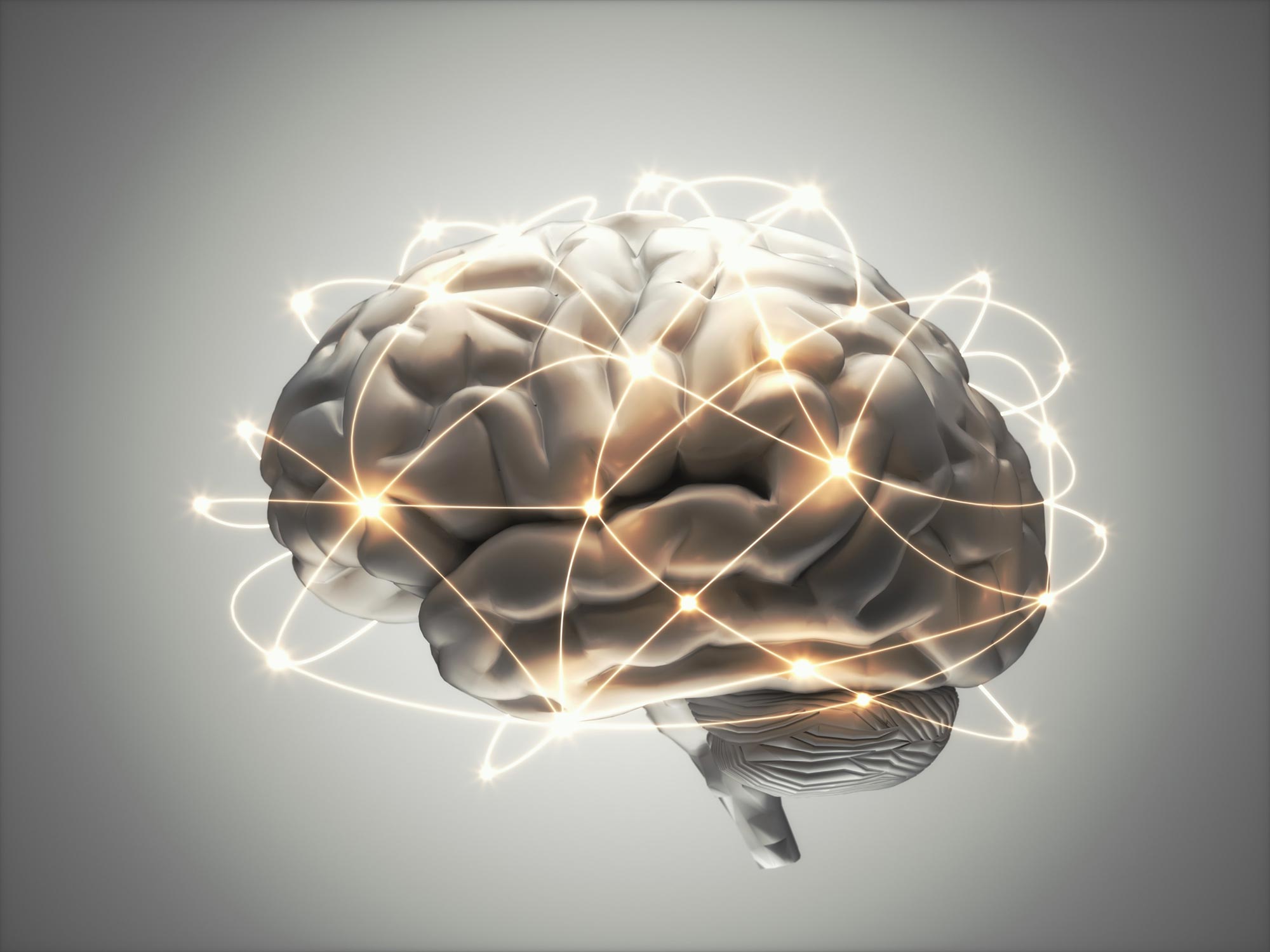
    Brain Boost Intelligence Increase Illustration
    Researchers uncovered a mechanism called excitation-mitochondrial DNA transcription coupling (E-TCmito) linking neuronal activity to mitochondrial DNA transcription, crucial for maintaining brain function. Enhancing E-TCmito in aged mice improved cognition, offering a potential therapeutic target for age-related cognitive decline and neurodegenerative diseases.

    New research identifies E-TCmito as a key link between neuronal activity and mitochondrial function, highlighting its potential to address cognitive decline in aging and diseases like Alzheimer’s.

    New research in mice has identified a critical mechanism that connects neuronal activity with mitochondrial function, offering insight into potential strategies to address age-related cognitive decline. Mitochondria, essential for meeting the energy needs of active neurons, generate adenosine triphosphate (ATP) primarily through oxidative phosphorylation (OXPHOS).

    As mammals age, the efficiency of mitochondrial metabolism in the brain declines, significantly impacting neuronal and network function. The disruption of the OXPHOS pathway contributes to oxidative stress and mitochondrial dysfunction, exacerbating these challenges.

    Challenges in Understanding Aging-Related Mitochondrial Decline

    However, the mechanisms underlying the decline in OXPHOS activity and its impact on mitochondrial efficiency in aging neurons remain poorly understood, which, by extension, has limited the development of targeted interventions for age-related cognitive decline.

    To address this, Wenwen Li and colleagues investigated the role of mitochondrial transcription in cognition in the hippocampus of young and aged mice. Li et al. identified a novel coupling mechanism, which they dubbed excitation-mitochondrial DNA transcription coupling (E-TCmito), that connects neuronal excitation with mitochondrial DNA transcription.

    This coupling, distinct from the traditional excitation-transcription coupling in the nucleus, is essential for maintaining synaptic and mitochondrial health. In aging brains, the effectiveness of E-TCmito declines, leading to cognitive deficits. Notably, by enhancing E-TCmito in aged mice, the authors observed improved cognitive function, highlighting its potential as a therapeutic target for counteracting cognitive decline associated with aging.

    “Through an impressive combination of innovative tools, innovative physiology, and behavior experiments, Li et al. provide key insights into mitochondrial biology in the aging mammalian brain,” write Deniz Bingul and Scott Owen in a related Perspective. “The findings raise the possibility of identifying targets for age-related neurocognitive disorders associated with mitochondrial dysfunction, including Alzheimer’s and Parkinson’s diseases.”

    Reference: “Boosting neuronal activity-driven mitochondrial DNA transcription improves cognition in aged mice” by Wenwen Li, Jiarui Li, Jing Li, Chen Wei, Tal Laviv, Meiyi Dong, Jingran Lin, Mariah Calubag, Lesley A Colgan, Kai Jin, Bing Zhou, Ying Shen, Haohong Li, Yihui Cui, Zhihua Gao, Tao Li, Hailan Hu, Ryohei Yasuda and Huan Ma, 20 December 2024, Science.
    DOI: 10.1126/science.adp6547

    Never miss a breakthrough: Join the SciTechDaily newsletter.
    Follow us on Google and Google News.

    Aging American Academy of Neurology Cognition Mitochondria Neurology
    Share. Facebook Twitter Pinterest LinkedIn Email Reddit

    Related Articles

    Lifelong Learning Linked to 38% Lower Alzheimer’s Risk

    Hearing Aids Fell Short on Tests but Helped Where It Mattered

    Aging Changes Spinal Cord Injury Recovery in a Surprising Way

    Brain Fog Epidemic? Memory Problems Have Nearly Doubled in Adults Under 40, Study Finds

    Challenging the Popular Belief: Overactive Neurons May Be Speeding Up Aging

    New Study: Blood Pressure Swings May Accelerate Cognitive Aging

    Brain Shrinkage: Your Neighborhood May Affect Your Brain Health

    Physical Exercise Improves Cognition in Alzheimer’s Disease

    Dietary Cocoa Flavanols Reverse Age-Related Memory Decline in Older Adults

    3 Comments

    1. Felton Hamilton Jr on January 1, 2025 1:40 pm

      Fatty molecules building up around the mitochondria and on the walls of all cells going through early development. I think this activity need to be monitored and controlled because this could lead to serious blockage when fatty molecules are exposed to certain types of enzymes in the cell body cause cell damage and seriously have new cells replace old body tissue with fatty tissue which is bad on aging muscle and skin development basically all 27 organs inside the human body have to be broken down into different fields and analyzed for suitable treatments.

      Reply
    2. Jorl on January 1, 2025 8:53 pm

      Yeah and the mitochondrial membrane proteins that bind to any other Rtx compounds may prove valuable to researchers

      Reply
    3. Randy on January 2, 2025 2:59 pm

      Interesting. Sounds like this is your area of expertise.

      Reply
    Leave A Reply Cancel Reply

    • Facebook
    • Twitter
    • Pinterest
    • YouTube

    Don't Miss a Discovery

    Subscribe for the Latest in Science & Tech!

    Trending News

    AI Could Detect Early Signs of Alzheimer’s in Under a Minute – Far Before Traditional Tests

    What if Dark Matter Has Two Forms? Bold New Hypothesis Could Explain a Cosmic Mystery

    This Metal Melts in Your Hand – and Scientists Just Discovered Something Strange

    Beef vs. Chicken: Surprising Results From New Prediabetes Study

    Alzheimer’s Breakthrough: Scientists Discover Key Protein May Prevent Toxic Protein Clumps in the Brain

    Quantum Reality Gets Stranger: Physicists Put a Lump of Metal in Two Places at Once

    Scientists May Have Found the Key to Jupiter and Saturn’s Moon Mystery

    Scientists Uncover Brain Changes That Link Pain to Depression

    Follow SciTechDaily
    • Facebook
    • Twitter
    • YouTube
    • Pinterest
    • Newsletter
    • RSS
    SciTech News
    • Biology News
    • Chemistry News
    • Earth News
    • Health News
    • Physics News
    • Science News
    • Space News
    • Technology News
    Recent Posts
    • Ancient “Rock” Microbes May Reveal How Complex Life Began
    • Hidden “Trade Winds” Inside Cells Could Explain Cancer Spread
    • Humans Owe Their Eyes to a Tiny One-Eyed “Cyclops”
    • Researchers Capture Quantum Interference in One of Nature’s Rarest Atoms
    • Ancient DNA Reveals Irish Goats Have a 3,000-Year-Old Lineage Still Alive Today
    Copyright © 1998 - 2026 SciTechDaily. All Rights Reserved.
    • Science News
    • About
    • Contact
    • Editorial Board
    • Privacy Policy
    • Terms of Use

    Type above and press Enter to search. Press Esc to cancel.