
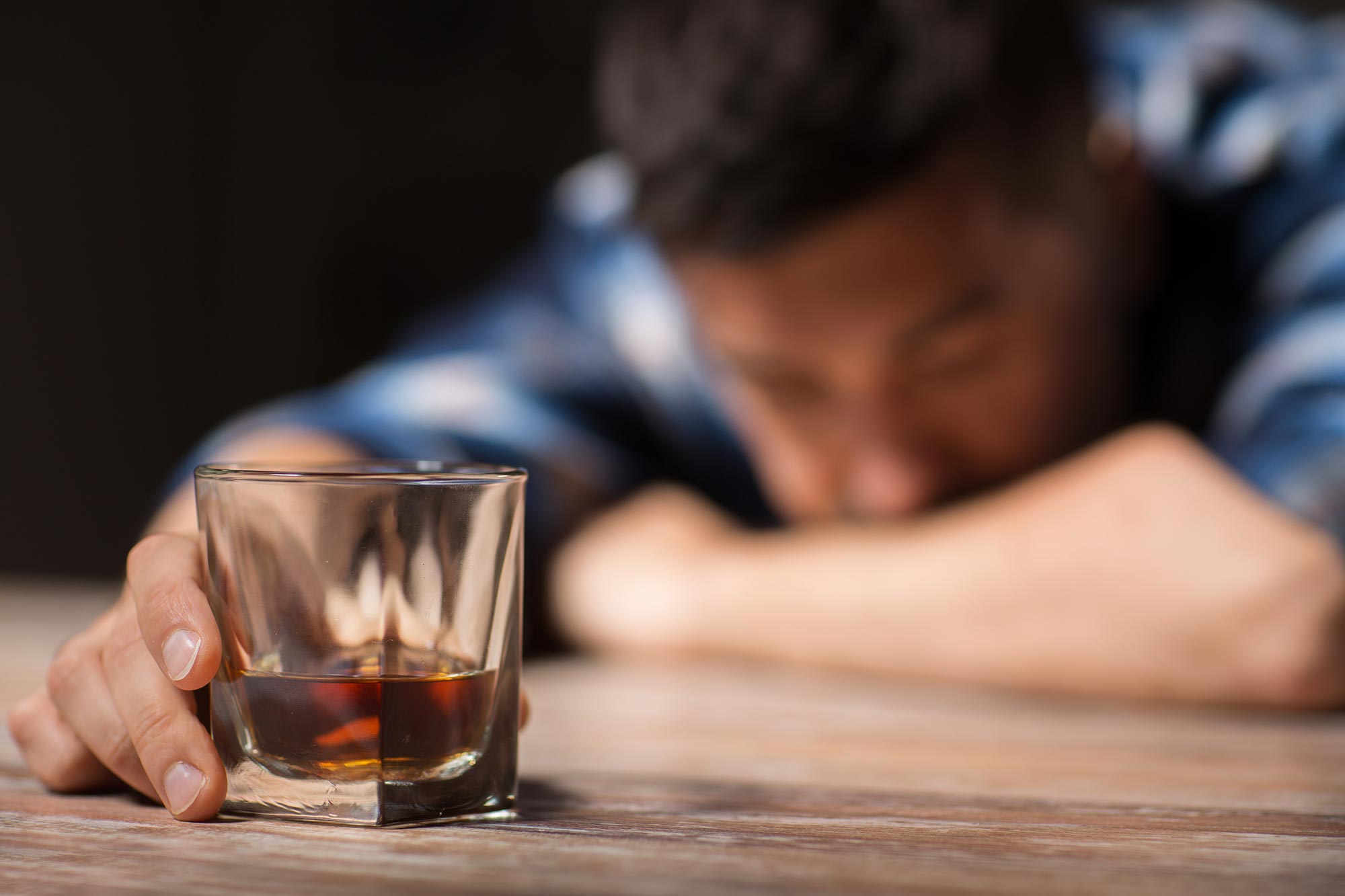
Most Americans don’t know alcohol raises cancer risk, new research finds.
Despite strong scientific evidence showing that alcohol use increases the risk of cancer, most Americans remain unaware of this connection, according to new findings from The University of Texas MD Anderson Cancer Center. The study revealed that more than half of U.S. adults (52.9%) did not know alcohol plays a role in cancer risk.
Published in JAMA Oncology, the cross-sectional analysis showed that 37.1% of adults recognized a link between alcohol consumption and cancer, while 1% incorrectly believed drinking lowers cancer risk. The researchers also found that people who had recently consumed alcohol, or who believed cancer is neither fatal nor preventable, were more likely to think alcohol has no impact on cancer risk.
“It’s concerning that people who drink alcohol are the ones most likely to believe it has no effect on cancer risk,” said lead author, Sanjay Shete, Ph.D., professor of Biostatistics and Epidemiology, and Betty B. Marcus Chair in Cancer Prevention. “Given people’s beliefs play a critical role in whether they choose healthier behaviors, we need to work on correcting these misperceptions, which could be essential to reducing the growing burden of alcohol-related cancers.”
According to the study, what may impact a person’s view of alcohol and cancer risk?
Although it is well established that personal beliefs play a major role in shaping healthy behaviors, national-level research on this topic has been limited. In this study, researchers discovered that people’s understanding of alcohol’s connection to cancer differed depending on certain health and lifestyle factors.
Those who currently smoke cigarettes, identify as Black, have lower education levels (below a college or high school level), or do not believe cancer can be prevented were more likely to be unaware that alcohol contributes to cancer risk.
What do we know about alcohol and cancer risk?
According to the World Health Organization, alcohol is classified as a Group 1 carcinogen, the same category as tobacco, asbestos and radiation. Drinking alcohol has been linked to at least seven types of cancer. About 5.5% of all new cancer diagnoses and 5.8% of all deaths from cancer are attributed to drinking alcohol, according to the National Institutes of Health (NIH).
Addressing misbeliefs could reinforce individual compliance with alcohol consumption guidelines, particularly those recently endorsed by the U.S. Surgeon General in his 2025 advisory, and may help mitigate preventable cancer-related deaths.
How was the study conducted?
In this analysis, researchers looked at responses from almost 7,000 Americans over the age of 18 (mean age 48) from the 2024 Health Information National Trends Survey data. Almost half were female (48.4%), 60.7% were White, 17.5% were Hispanic, and 11% were Black. More than half of the respondents had consumed alcohol in the last month. Nearly 10% had a personal cancer history.
The belief about the effect of alcohol on cancer risk was measured with the question: “In your opinion, how does drinking alcohol affect the risk of getting cancer?” Possible responses to this question were: “decreases the risk of cancer,” “has no effect on the risk of cancer,” “increases risk of cancer,” and “don’t know.”
Reference: “Beliefs About the Effect of Alcohol Use on Cancer Risk in the US Adult Population” by Joël Fokom Domgue, Robert Yu, Ernest Hawk and Sanjay Shete, 30 October 2025, JAMA Oncology.
DOI: 10.1001/jamaoncol.2025.4472
This study was funded by the National Cancer Institute (P30CA016672) and the Betty B. Marcus Chair in Cancer Prevention.
Never miss a breakthrough: Join the SciTechDaily newsletter.
Follow us on Google and Google News.
3 Comments
Existing studies linking alcohol to cancer should not minimize comorbidities, i.e. overweight, sedentary, genetic predilections, etc. that may collude to cause cancer. Metabolisms also differ significantly between individuals.
NewsSceptic, your “metabolism” includes a kind of nearly subclinical non-IgE-mediated food allergy reaction that mainstream medicine still fails to recognize and research (i.e., Dr. Arthur F. Coca by 1935, “The Pulse Test,” 1956). And, too, you could include FDA approved food poisoning, like soy more cheaply processed with hexane with some residue since the late 1960s with the US female breast cancer (minimally) epidemic presenting by 1979 (ACS and NCI data). Sadly, the study mostly demonstrates that the “beliefs” of the general public are superior to the “knowledge” of highly educated professionals.
Stop drinking alcohol, eat more processed food and seed oils!
LMAO follow the money.
Everything on the planet will increase your risk of cancer if exposure or consumptions are in excess.