
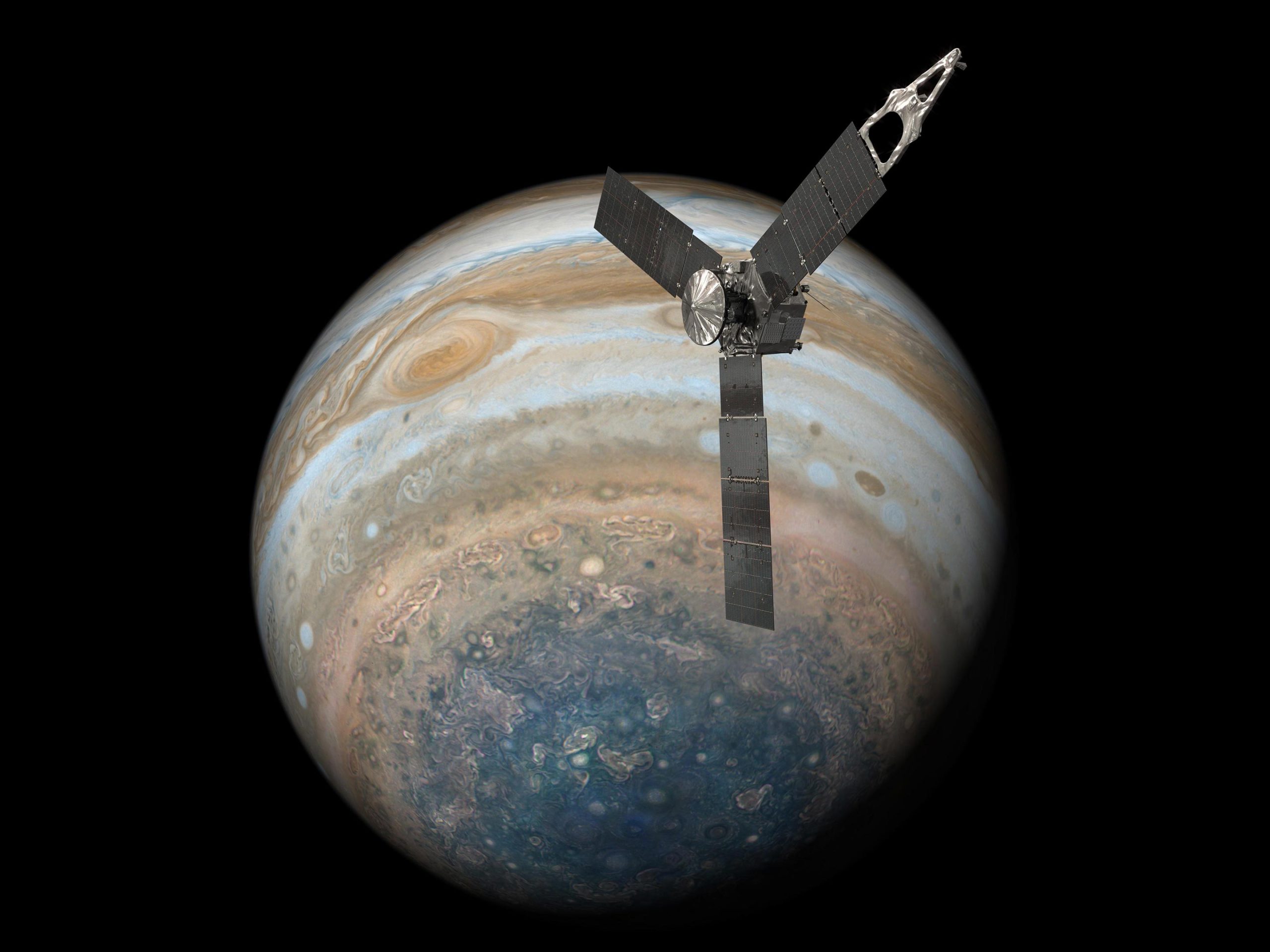
NASA’s Juno spacecraft entered safe mode twice during a recent close pass of Jupiter, temporarily halting science operations.
While safe mode is a normal precaution when anomalies are detected, the timing suggests Jupiter’s intense radiation belts may have triggered the issue. The spacecraft responded exactly as designed, and mission teams have resumed communications and begun diagnosing the cause. With a history of similar safe-mode events and a protective titanium vault shielding its systems, Juno continues its daring journey through one of the most dangerous environments in the solar system.
Juno Goes into Safe Mode During Jupiter Flyby
NASA’s Juno spacecraft entered safe mode twice on April 4 during a close flyby of Jupiter. Safe mode is a precautionary state triggered when a spacecraft detects something unexpected. In this mode, nonessential systems are turned off so the spacecraft can focus on critical functions like maintaining power and communicating with Earth. As part of this process, Juno’s science instruments were automatically powered down for the rest of the flyby.
Mission controllers have since reestablished high-speed communication with the spacecraft. Juno is now running diagnostics on its flight software, and the team is working to retrieve the engineering and science data collected before and after the safe-mode events.

Timing of the Safe Mode Events
The first safe mode was triggered at 5:17 a.m. EDT, about an hour before Juno’s 71st close approach to Jupiter — an event known as perijove. The second occurred about 45 minutes after that pass. In both cases, Juno responded exactly as intended: it rebooted its onboard computer, shut down nonessential systems, and pointed its antenna toward Earth to maintain contact.
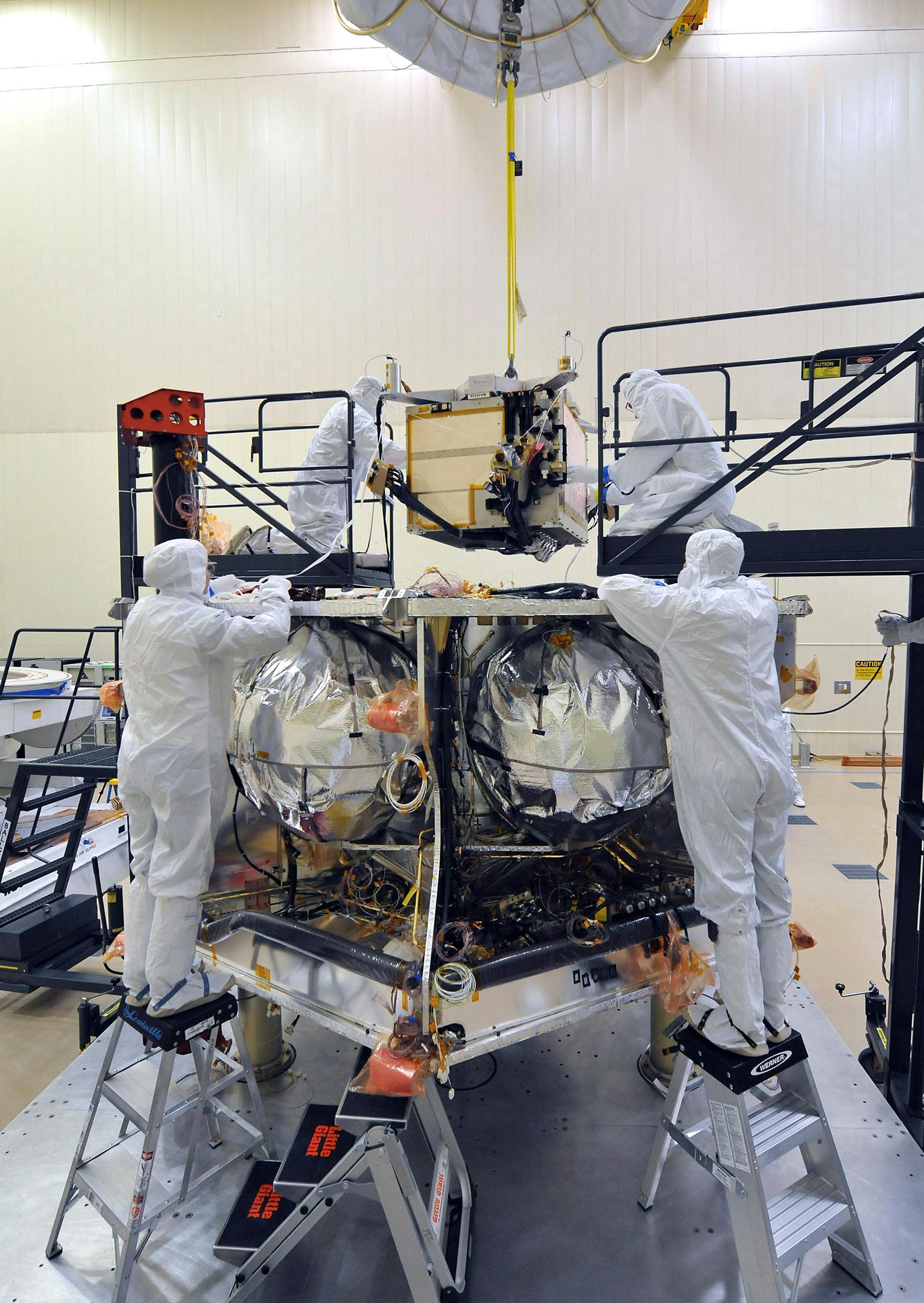
Of all the planets in our solar system, Jupiter is home to the most hostile environment, with the radiation belts closest to the planet being the most intense. Early indications suggest the two Perijove 71 safe-mode events occurred as the spacecraft flew through these belts. To block high-energy particles from impacting sensitive electronics and mitigate the harmful effects of the radiation, Juno features a titanium radiation vault.
A History of Safe Mode Events
Including the Perijove 71 events, Juno has unexpectedly entered spacecraft-induced safe mode four times since arriving at Jupiter in July 2016: first, in 2016 during its second orbit, then in 2022 during its 39th orbit. In all four cases, the spacecraft performed as expected and recovered full capability.
Juno’s next perijove will occur on May 7 and include a flyby of the Jovian moon Io at a distance of about 55,300 miles (89,000 kilometers).
About the Juno Mission
Juno is a NASA spacecraft designed to study Jupiter, helping scientists better understand the gas giant’s origin, structure, atmosphere, and magnetosphere. Launched in 2011 and arriving at Jupiter in 2016, Juno is part of NASA’s New Frontiers Program, which is managed by NASA’s Marshall Space Flight Center for the agency’s Science Mission Directorate.
The mission is led by principal investigator Scott Bolton of the Southwest Research Institute in San Antonio, and is managed by NASA’s Jet Propulsion Laboratory (JPL), a division of Caltech in Pasadena, California. Lockheed Martin Space, based in Denver, built and operates the spacecraft. The mission also includes international collaboration, with the Italian Space Agency (ASI) contributing the Jovian InfraRed Auroral Mapper (JIRAM). Additional scientific instruments were developed by institutions across the United States, making Juno a widely collaborative effort in planetary exploration.
Never miss a breakthrough: Join the SciTechDaily newsletter.
Follow us on Google and Google News.