
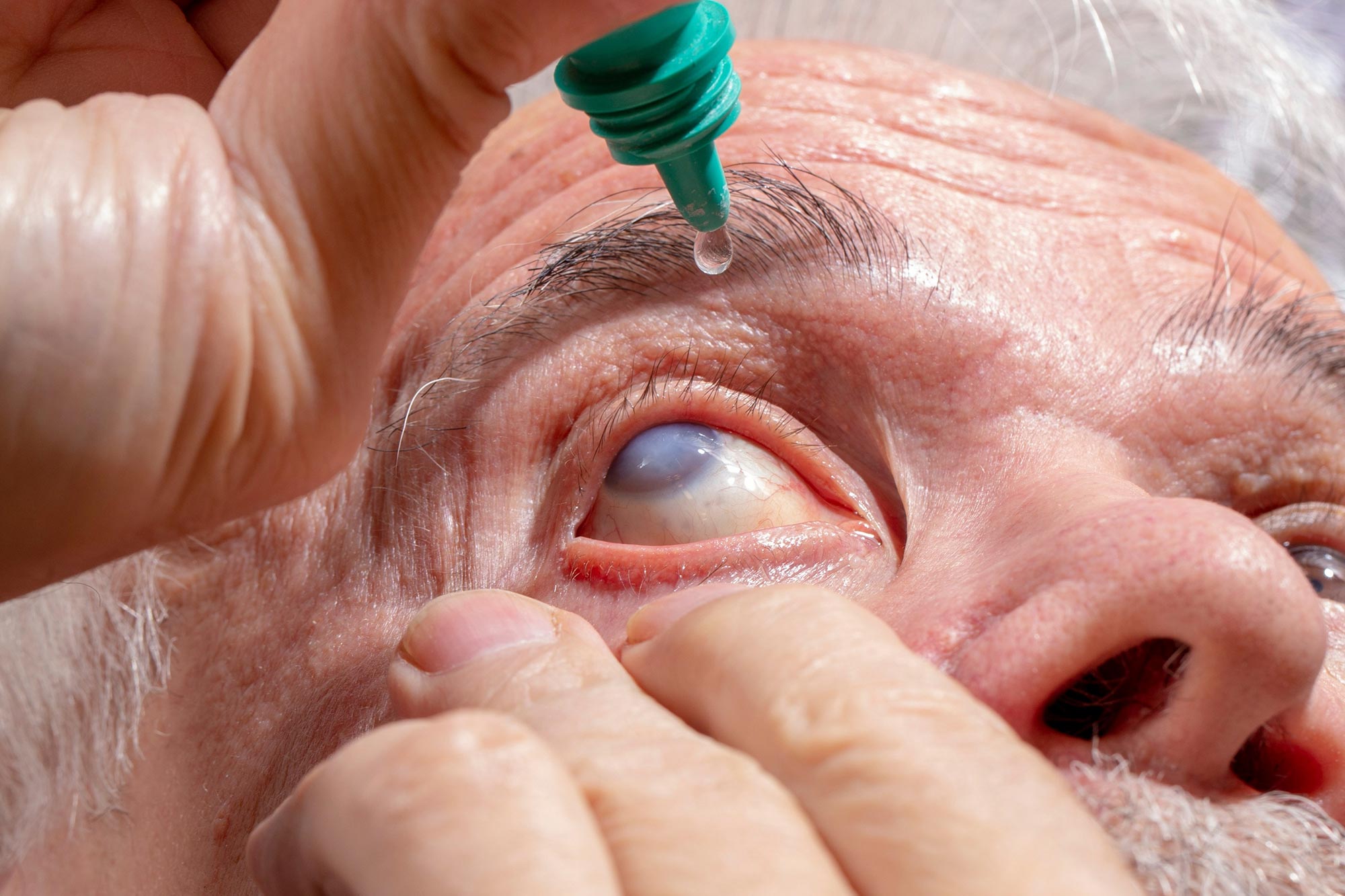
The findings could enable earlier detection and treatment for people affected by the serious eye condition.
A research team at the University of Missouri has made a discovery that could pave the way for identifying a biomarker to detect and treat a major eye disease much earlier. The condition, known as glaucoma, ranks among the top causes of permanent blindness in older adults.
Glaucoma damages the retinal ganglion cells (RGCs) and their axons, which are the nerve fibers at the back of the eye that send visual signals to the brain. When these nerves deteriorate, vision loss occurs. Although existing treatments can help lower pressure inside the eye, they have not been able to stop or protect RGCs from damage. Developing therapies that safeguard these cells and prevent their degeneration remains one of the greatest challenges in glaucoma care.
At the University of Missouri, researcher Pawan Singh is working to change that. His goal is to identify biomarkers that can reveal the presence of glaucoma early on and to develop new neuroprotective treatments that preserve vision and slow the disease’s progression.
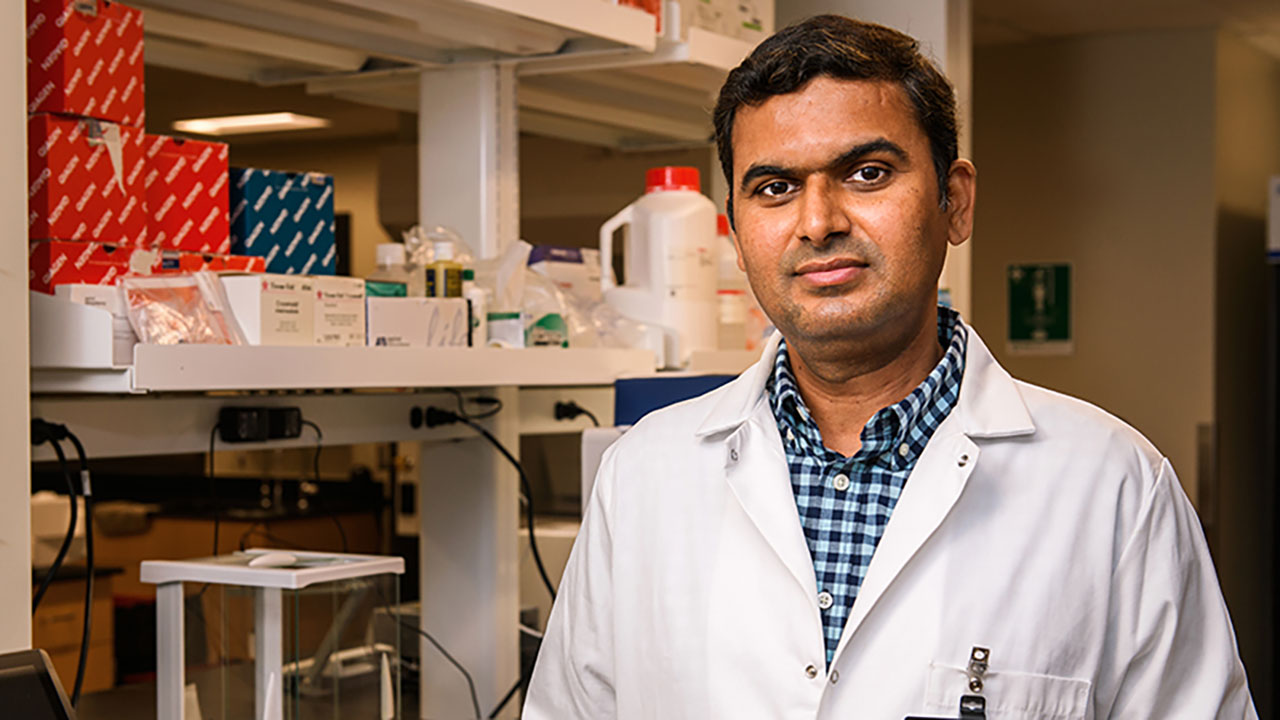
In a recent study, his team discovered that glaucoma patients have less of two tiny molecules — agmatine and thiamine — in the clear fluid at the front of the eye, compared to those without glaucoma. Singh has identified that these molecules, known as metabolites, could be potential biomarkers that could be spotted to detect the disease early.
Toward Earlier Detection
“In several cases, people do not find out they have glaucoma until they are older and their eye pressure is elevated,” Singh, an assistant professor in the School of Medicine, said. “Our long-term goal is to see if doctors could one day do a simple blood test to check for these biomarkers. If they can, hopefully they will be able to catch the disease much earlier, before vision loss occurs, so patients can receive treatment sooner.”
These two metabolites, agmatine and thiamine, could also make for potential glaucoma treatments. In one of his recent pre-clinical studies, Singh found that agmatine and thiamine have neuroprotective potential and can help protect RGCs from damage and loss of visual function. This means these molecules might help stop or slow down the progression of vision loss, making them possible candidates for future neuroprotective treatment for glaucoma as eye drops or supplements.
“Mizzou’s impressive research infrastructure and our collaborative team help make this research possible,” Singh said. “While more work needs to be done, the eye doctors I have spoken to here at Mizzou are very excited about this research, so I am proud and hopeful for the future.”
Reference: “Metabolomic Profiling of Aqueous Humor From Glaucoma Patients Identifies Metabolites With Anti-Inflammatory and Neuroprotective Potential in Mice” by Monu Monu, Bhoj Kumar, Rahmat Asfiya, Nariman Nassiri, Vaama Patel, Shibandri Das, Sarah Syeda, Mamta Kanwar, Vivian Rajeswaren, Bret A. Hughes, Mark S. Juzych, Akhil Srivastava, Ashok Kumar and Pawan Kumar Singh, May 2025, Investigative Ophthalmology & Visual Science.
DOI: 10.1167/iovs.66.5.28
Never miss a breakthrough: Join the SciTechDaily newsletter.
Follow us on Google and Google News.