
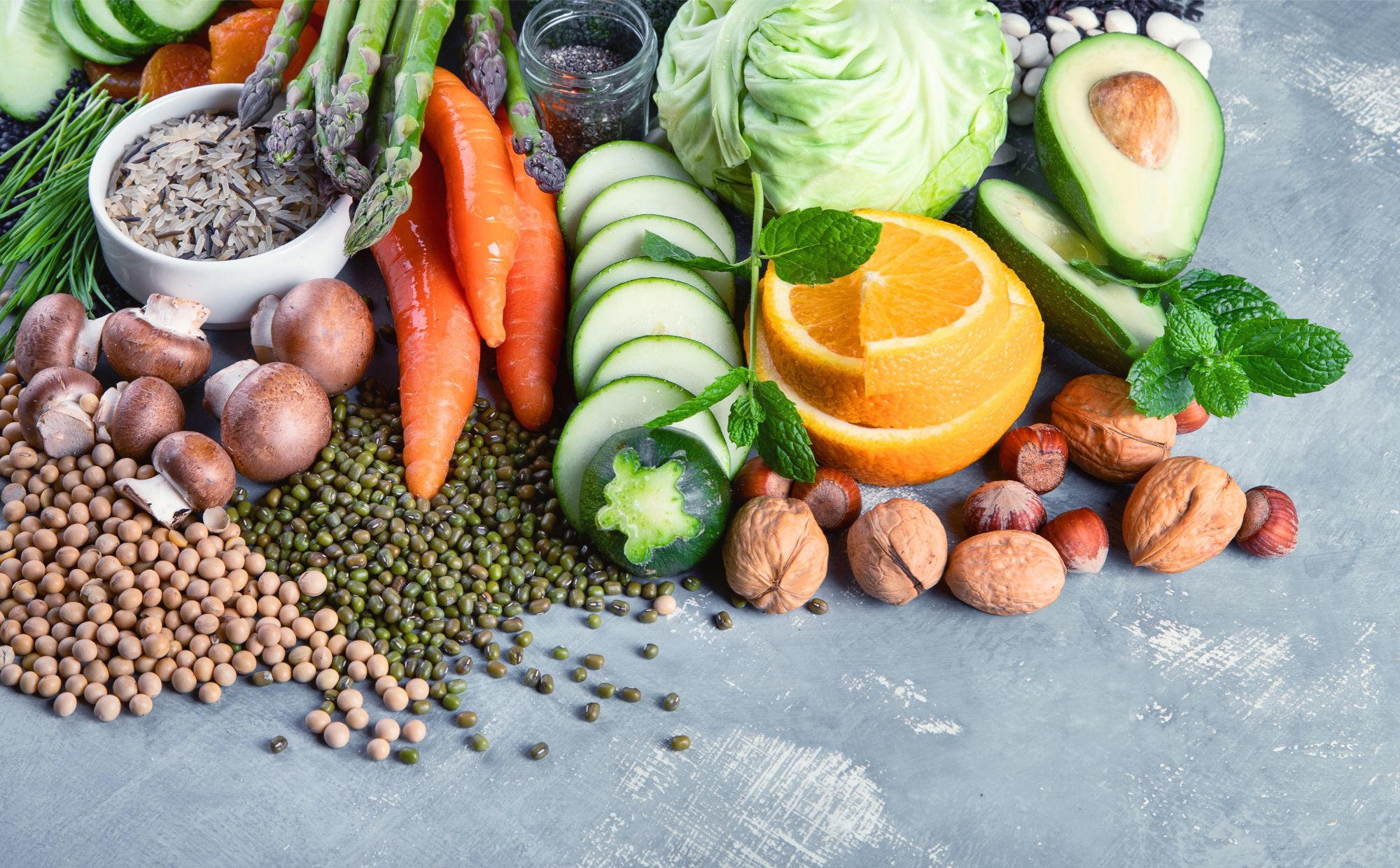
A 30-year study found that plant-rich diets and low intake of ultra-processed foods significantly improve the odds of healthy aging, with AHEI and PHDI showing the strongest benefits.
A new study conducted by researchers at the Harvard T.H. Chan School of Public Health, the University of Copenhagen, and the University of Montreal found that a diet high in plant-based foods, with low to moderate amounts of healthy animal-based foods and minimal ultra-processed foods, is associated with a greater likelihood of healthy aging.
Healthy aging was defined as living to at least age 70 without major chronic diseases and with preserved cognitive, physical, and mental health.
This study is one of the first to evaluate how different dietary patterns during midlife relate to overall healthy aging.
“Studies have previously investigated dietary patterns in the context of specific diseases or how long people live. Ours takes a multifaceted view, asking, how does diet impact people’s ability to live independently and enjoy a good quality of life as they age?” said co-corresponding author Frank Hu, Fredrick J. Stare Professor of Nutrition and Epidemiology and chair of the Department of Nutrition at Harvard Chan School.
The study will be published March 24 in Nature Medicine.
Study Design and Dietary Patterns
The researchers used data from the Nurses’ Health Study and the Health Professionals Follow-Up Study to examine the midlife diets and eventual health outcomes of more than 105,000 women and men ages 39-69 over the course of 30 years.
They completed dietary questionnaires on a regular basis, and researchers evaluated their responses using eight dietary patterns:
- Alternative Healthy Eating Index (AHEI)
- Alternative Mediterranean Index (aMED)
- Dietary Approaches to Stop Hypertension (DASH)
- Mediterranean-DASH Intervention for Neurodegenerative Delay (MIND)
- Healthful Plant-Based Diet Index (hPDI)
- Planetary Health Diet Index (PHDI)
- Empirically Inflammatory Dietary Pattern (EDIP)
- Empirical Dietary Index for Hyperinsulinemia (EDIH)
Each of these diets emphasizes a high intake of fruits, vegetables, whole grains, unsaturated fats, nuts, and legumes, and some also include low to moderate intake of healthy animal-based foods such as fish and certain dairy products. The researchers also assessed participants’ intake of ultra-processed foods, which are industrially manufactured, often containing artificial ingredients, added sugars, sodium, and unhealthy fats.
Key Findings on Healthy Aging
The study found that 9,771 participants, 9.3% of the study population, aged healthfully. Adhering to any one of the healthy dietary patterns was linked to overall healthy aging and its individual domains, including cognitive, physical, and mental health.
The leading healthy diet was the AHEI, which was developed to prevent chronic diseases. Participants in the highest quintile of the AHEI score had an 86% greater likelihood of healthy aging at 70 years and a 2.2-fold higher likelihood of healthy aging at 75 years compared to those in the lowest quintile of the AHEI score. The AHEI diet reflects a diet rich in fruits, vegetables, whole grains, nuts, legumes, and healthy fats and low in red and processed meats, sugar-sweetened beverages, sodium, and refined grains. Another leading diet for healthy aging was the PHDI, which considers both human and environmental health by emphasizing plant-based foods and minimizing animal-based foods.
Higher intake of ultra-processed foods, especially processed meat and sugary and diet beverages, was associated with lower chances of healthy aging.
Implications for Public Health and Dietary Guidelines
“Since staying active and independent is a priority for both individuals and public health, research on healthy aging is essential,” said co-corresponding author Marta Guasch-Ferré, associate professor in the Department of Public Health at the University of Copenhagen and adjunct associate professor of nutrition at Harvard Chan School. “Our findings suggest that dietary patterns rich in plant-based foods, with moderate inclusion of healthy animal-based foods, may promote overall healthy aging and help shape future dietary guidelines.”
“Our findings also show that there is no one-size-fits-all diet. Healthy diets can be adapted to fit individual needs and preferences,” added lead author Anne-Julie Tessier, assistant professor in the Department of Nutrition at the University of Montreal, researcher at the Montreal Heart Institute, and visiting scientist at Harvard Chan School.
The study had some limitations, notably that the study population was composed exclusively of health professionals. The researchers noted that replicating the study among populations with diverse socioeconomic statuses and ancestries would offer further insights into the findings’ generalizability.
Reference: “Optimal dietary patterns for healthy aging” by Anne-Julie Tessier, Fenglei Wang, Andres Ardisson Korat, A. Heather Eliassen, Jorge Chavarro, Francine Grodstein, Jun Li, Liming Liang, Walter C. Willett, Qi Sun, Meir J. Stampfer, Frank B. Hu and Marta Guasch-Ferré, 24 March 2025, Nature Medicine.
DOI: 10.1038/s41591-025-03570-5
Other Harvard Chan co-authors included Fenglei Wang, Heather Eliassen, Jorge Chavarro, Jun Li, Liming Liang, Walter Willett, Qi Sun, and Meir Stampfer.
The Nurses’ Health Study and Health Professionals Follow-Up Study are supported by the National Institutes of Health (grants UM1 CA186107, P01 CA87969, R01 HL034594, R01 HL088521, U01 CA167552 and R01 HL35464). The study also received support from the Canadian Institutes of Health Research Postdoctoral Fellowship Award, the United States Department of Agriculture (grant 58-8050-3-003), the National Center for Advancing Translational Sciences (grant 1K12TR004384), the National Institute of Diabetes and Digestive and Kidney Diseases (grants R00DK122128 and R01AG087356), and the Novo Nordisk Foundation (grant NNF23SA0084103).
Never miss a breakthrough: Join the SciTechDaily newsletter.
Follow us on Google and Google News.
1 Comment
Becoming mysteriously, seriously ill with chronic fatigue, generalized aches, pains and muscle weakness and serious mood swings in early 1981 at age thirty-seven, with a family history of dementia since the early 1990s, I have to credit learning of my own multiple nearly subclinical non-IgE-mediated food (minimally) allergy reactions in late 1981, learning of the true toxicity of brain damaging, mind altering added artificially cultured “free” (can cross the blood-brain barrier) MSG in the summer of 2000 and learning of serum testing for calcium being unreliable in late 2010 with my being able to comment authoritatively on these articles in April of 2025, at age eighty-one.
Three major flaws: 1) mainstream American medicine still fails to recognize and research Dr. Arthur F. Coca’s (by 1935; my) kind of allergies; 2) mainstream medicine still fails to recognize several toxic FDA approved food additives (e.g., soy, TBHQ and MSG, minimally) as the deadly poisons (long-term) that they are and 3) mainstream medicine still fails to recognize its allergy-additive ignorance and incompetence (e.g., excessive medical errors) are what are responsible for a lot of now epidemic chronic disease and premature disability and/or mortality. First writing the FDA (with replies) in October of 2005 about added MSG and obesity, I have serious concerns now about the little known toxicity of the cooking oil preservative TBHQ, even in the best of olive oils.