
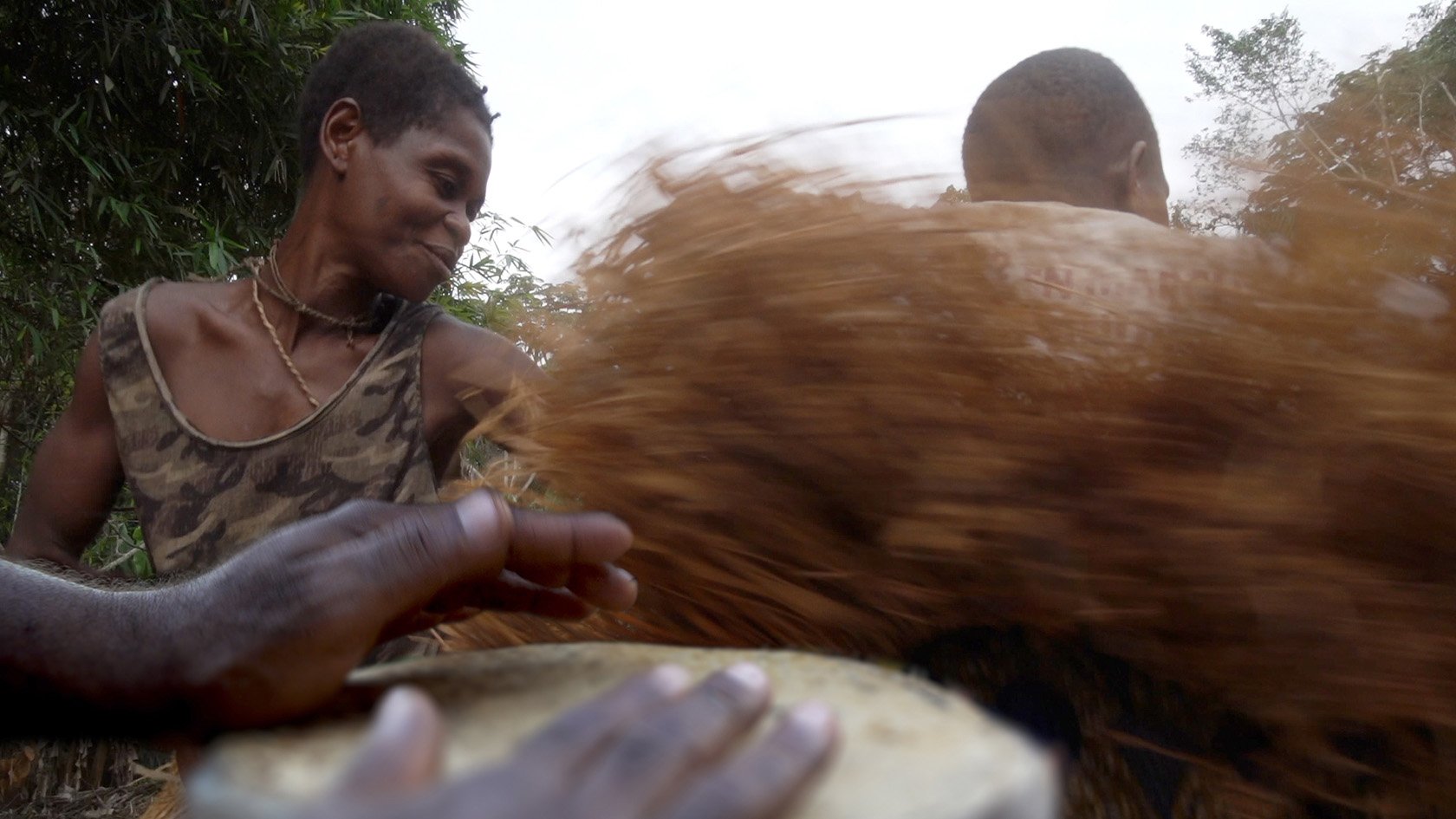
Extensive social networks among different hunter-gatherer groups in the Congo Basin existed long before the advent of agriculture in the region. This continent-wide exchange helped preserve a rich cultural diversity that evolved over thousands of years, as demonstrated by researchers from the University of Zurich through their studies of musical instruments, specialized vocabulary, and genetic data.
Recent research, drawing on genetic, archaeological, and paleoenvironmental evidence, indicates that hunter-gatherer populations have inhabited Central Africa for hundreds of thousands of years. However, contemporary hunter-gatherers in the Congo Basin now speak languages adopted from their agricultural neighbors, the Bantu, in more recent times. This raises questions about which aspects of ancient cultural diversity in Central Africa are the result of long-term evolution and regional cultural exchanges predating agriculture, and which are shaped by interactions with farming communities.
Culture, language, and genes co-evolve
An international team of researchers led by Andrea Migliano from the Department of Evolutionary Anthropology at the University of Zurich (UZH) has discovered previously unknown links between culture, language, and genes among different hunter-gatherer populations in Central Africa. “We found that the distribution of musical instruments among hunter-gatherers correlates very strongly with those genetic segments that are of ancient origin. So, these populations were exchanging musical instruments long before there were any agricultural populations in the region,” says Migliano.
The project was developed by Cecilia Padilla-Iglesias, PhD student and first author. The timing of genetic exchanges between populations can be inferred by tracing the origins of specific genome segments. To this end, the researchers assembled genetic data from eleven Central African hunter-gatherer groups and divided their DNA into segments based on the timing of the exchanges: those introduced through introgression or exchange with Bantu populations, those from recent exchanges between hunter-gatherer populations, and those of ancient origin.
Additionally, the team compiled an extensive dataset of musical instruments and foraging tools, along with their names from historical documents and ethnographies. They then compared how the structure of cultural diversity – the similarity between groups in musical instrument and subsistence tool repertoires, based on the presence or absence of similar musical instruments – correlated with genetic diversity at different points in time.
Extensive social networks spanning thousands of kilometers
“It was surprising that, although the different Central African hunter-gatherer groups speak languages from very different families, they share a disproportionate number of words related to music. Therefore, these words can be traced back to a time before the hunter-gatherer populations adopted the languages of their Bantu neighbors,” says anthropologist Andrea Migliano.
The results suggest that extensive interactions among hunter-gatherer groups in the Congo Basin, even those separated by thousands of kilometers, influenced not only their genetic makeup but also their linguistic and cultural traits. These extensive social networks helped maintain a cultural diversity that evolved thousands of years before the arrival of the agriculture in the region. Migliano adds: “The large-scale cultural networking of modern humans has deep roots in the past, at least in Central Africa.”
Reference: “Deep history of cultural and linguistic evolution among Central African hunter-gatherers” by Cecilia Padilla-Iglesias, Javier Blanco-Portillo, Bogdan Pricop, Alexander G. Ioannidis, Balthasar Bickel, Andrea Manica, Lucio Vinicius and Andrea Bamberg Migliano, 27 May 2024, Nature Human Behaviour.
DOI: 10.1038/s41562-024-01891-y
Never miss a breakthrough: Join the SciTechDaily newsletter.
Follow us on Google and Google News.