
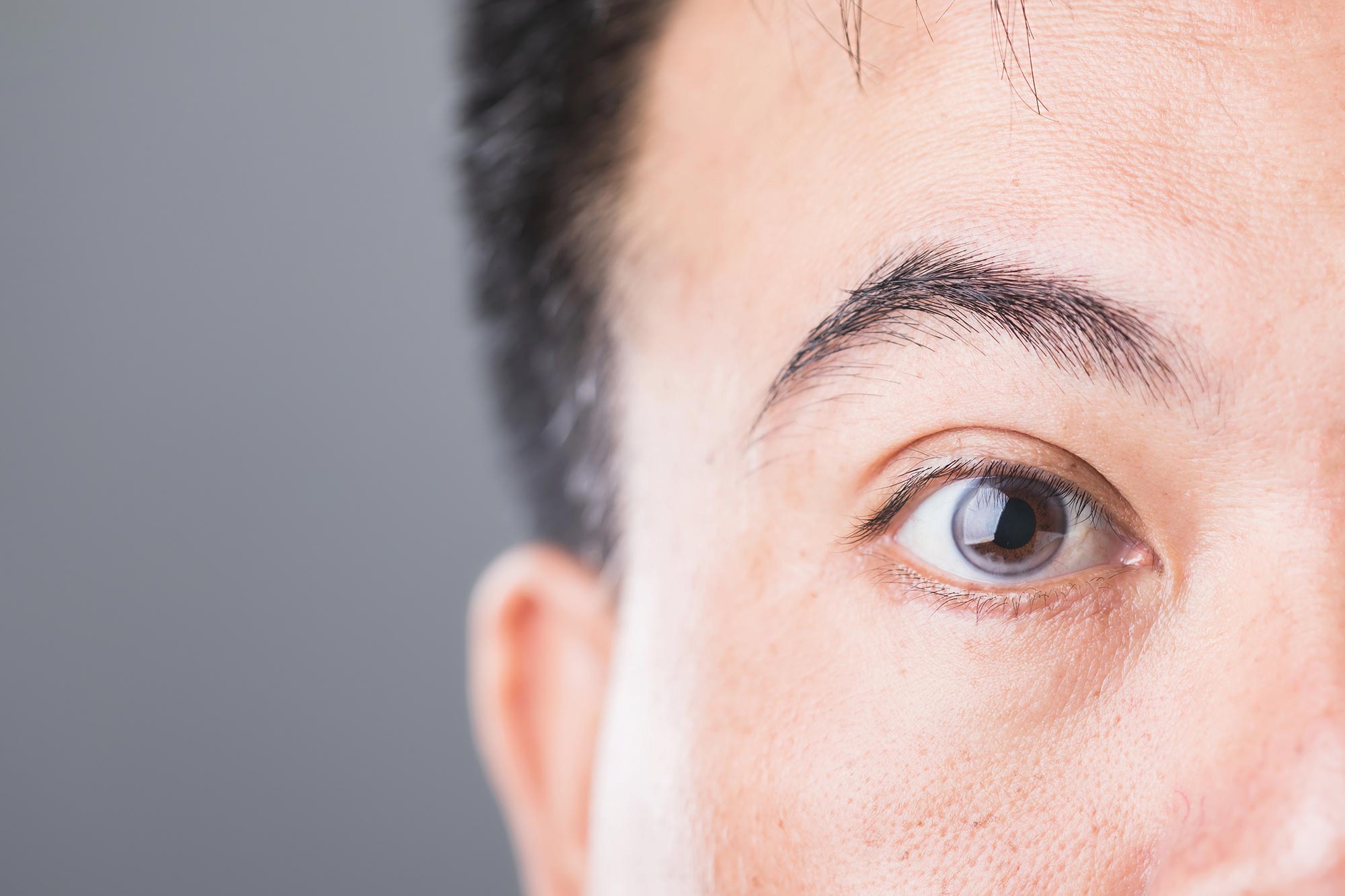
A key protein, LRG1, was identified as the early cause of diabetic eye damage, and blocking it may stop the disease before blindness occurs.
A research team led by scientists at UCL has identified a crucial protein involved in triggering diabetic retinopathy, a condition in which high blood sugar harms the retina’s blood vessels and becomes one of the main causes of vision loss in working-age adults.
This mouse-based study, supported by Diabetes UK, Moorfields Eye Charity and Wellcome, could transform current treatment approaches by shifting the focus from addressing damage after it occurs to preventing vision loss at the earliest stages.
The results, published in Science Translational Medicine, show that a protein called LRG1 is central to starting the initial phase of retinal injury that follows the onset of diabetes. LRG1 prompts the cells surrounding the eye’s tiniest blood vessels to tighten too much and “squeeze” them, which restricts oxygen flow to the retina and sets the stage for long-term sight problems.
Notably, when researchers blocked LRG1 in diabetic mouse models, they were able to halt this early damage and maintain normal eye function.
Shifting treatment from late-stage repair to early prevention
Lead author Dr. Giulia De Rossi (UCL Institute of Ophthalmology) stated: “Our discovery shows that diabetic eye disease starts earlier than we thought, and LRG1 is a key culprit in this early damage. Targeting this protein could give us a way to protect vision before serious damage occurs and prevent, rather than treat, blindness in millions of people living with diabetes.”
Diabetic retinopathy occurs in individuals with either type 1 or type 2 diabetes. In most cases, treatment begins only after symptoms appear, such as blurred or distorted vision, at which point the underlying damage is often permanent. Even then, existing therapies that focus on another protein, VEGF, help only about half of patients and rarely restore lost vision in a substantial way.
This new research shows that LRG1 starts causing eye damage far earlier than VEGF, making it a promising new therapeutic target. Unlike current treatments, a treatment that blocks LRG1 could intervene before vision deteriorates and prevent disease progression altogether.
Promise for patients and next steps toward clinical trials
Dr. Faye Riley, research communications lead at Diabetes UK who part-funded the research, commented: “Nearly a third of adults with diabetes have some signs of retinopathy, and it is one of the most feared complications of the condition. By identifying the root cause of early damage, and offering a new path for treatment, this research holds immense promise for protecting the sight of the growing number of people with diabetes worldwide.”

The UCL-based researchers have already developed a tried and tested LRG1-targeting drug, which is currently undergoing further pre-clinical studies and could be ready for clinical trials in humans in the near future. The researchers believe this therapy will not only halt the onset of diabetic retinopathy but can also be effective in later-stage disease where LRG1 continues to play a role.
Decades of research behind the discovery
This work, funded by Diabetes UK, Moorfields Eye Charity and Wellcome, is the culmination of several years of research into the role of LRG1 in ocular disease undertaken by the group at the UCL Institute of Ophthalmology. Co-authors Professors John Greenwood and Stephen Moss had previously led the way in discovering LRG1 and its role in eye disease. In 2019, they launched Senya Therapeutics, a UCL spinout, formed with the support of UCL Business, to develop LRG1-targeting drugs.
Co-author Professor John Greenwood (UCL Institute of Ophthalmology), world expert in LRG1 biology, said: “This study delivers vital insight into the disease and shows that therapeutic targeting of LRG1 has real clinical potential. The discovery that LRG1 is an early initiating factor driving diabetic retinopathy is enormously exciting.”
Co-author Professor Emeritus Stephen Moss (UCL Institute of Ophthalmology) added: “The good news to accompany these findings is that we have already developed an LRG1 therapeutic ready for clinical trials. This could provide an effective new option for patients, especially those in the early stages of disease who don’t respond to existing treatments.”
Vision for the future of diabetic eye disease treatment
Dr. Ailish Murray, director of grants and research at Moorfields Eye Charity, said: “The early stages of diabetic retinopathy are often difficult to detect, leaving many people with irreversible damage once the symptoms have occurred. This research offers an important and vital next step in helping to prevent this disease, offering the chance to save the sight of millions of people living with diabetes now and in the future.”
Morag Foreman, head of discovery researchers at Wellcome, said: “This is an exciting breakthrough, lighting a potential path towards treatment for diabetic eye disease. These findings are a result of cutting-edge discovery research and demonstrate the importance of backing early science that could translate to meaningful advances in medicine.”
Reference: “Leucine-rich α-2-glycoprotein 1 initiates the onset of diabetic retinopathy in mice” by Giulia De Rossi, Ao-wang Qiu, Maxime Berg, Thomas Burgoyne, Andrea Martello, Marlene E. Da Vitoria Lobo, Matteo Rizzi, Sophie Mueller, Jack Blackburn, Yuxuan Meng, Simon Walker-Samuel, Rebecca Shipley, Colin J. Chu, Sobha Sivaprasad, John Greenwood and Stephen E. Moss, 22 October 2025, Science Translational Medicine.
DOI: 10.1126/scitranslmed.adn6047
Never miss a breakthrough: Join the SciTechDaily newsletter.
Follow us on Google and Google News.