
A brilliant new class of cosmic explosions has been uncovered—so powerful they outshine anything scientists have ever seen.
Dubbed “extreme nuclear transients” or ENTs, these events occur when supermassive black holes devour giant stars. Lasting for years and glowing up to 10 times brighter than typical stellar explosions, ENTs could be the key to unlocking secrets about black hole growth in the early universe.
A New Kind of Cosmic Cataclysm
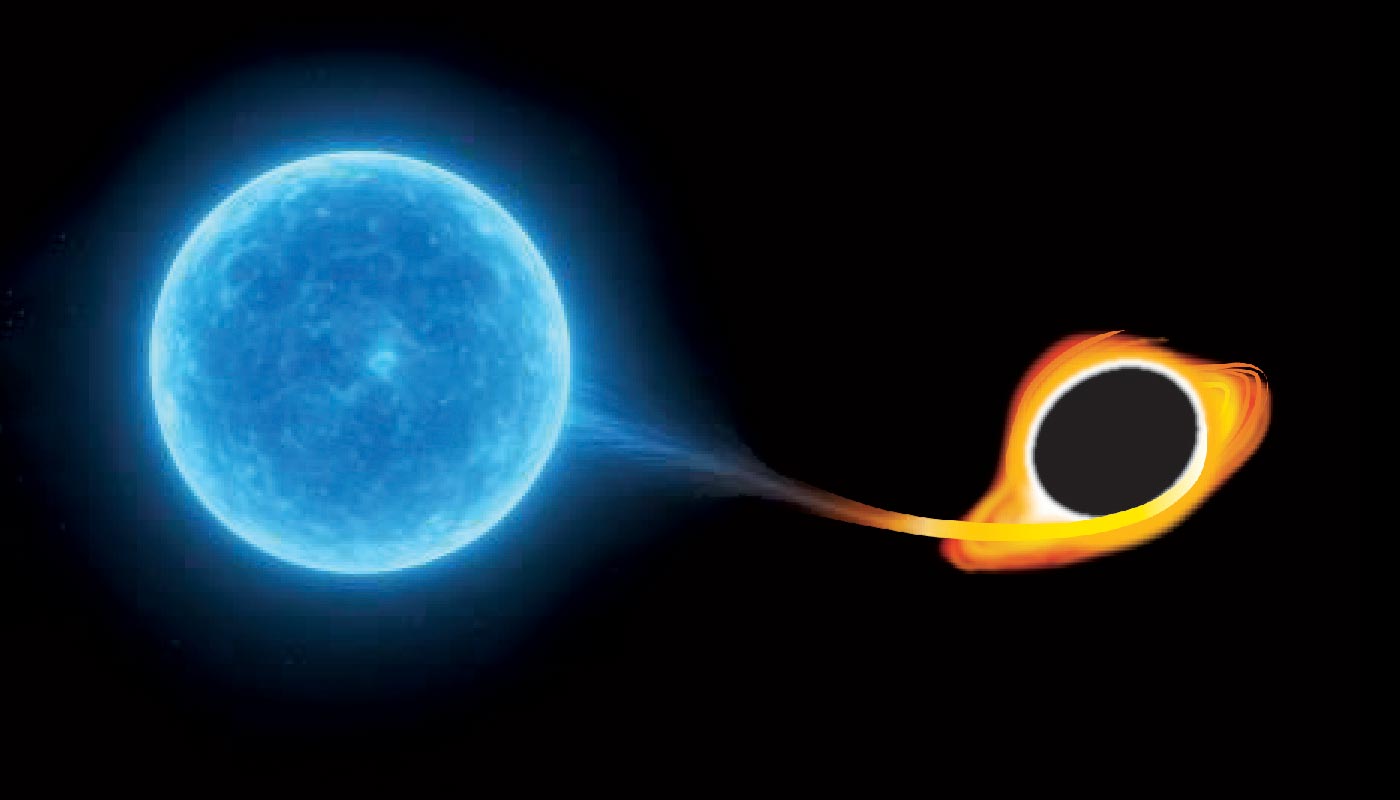
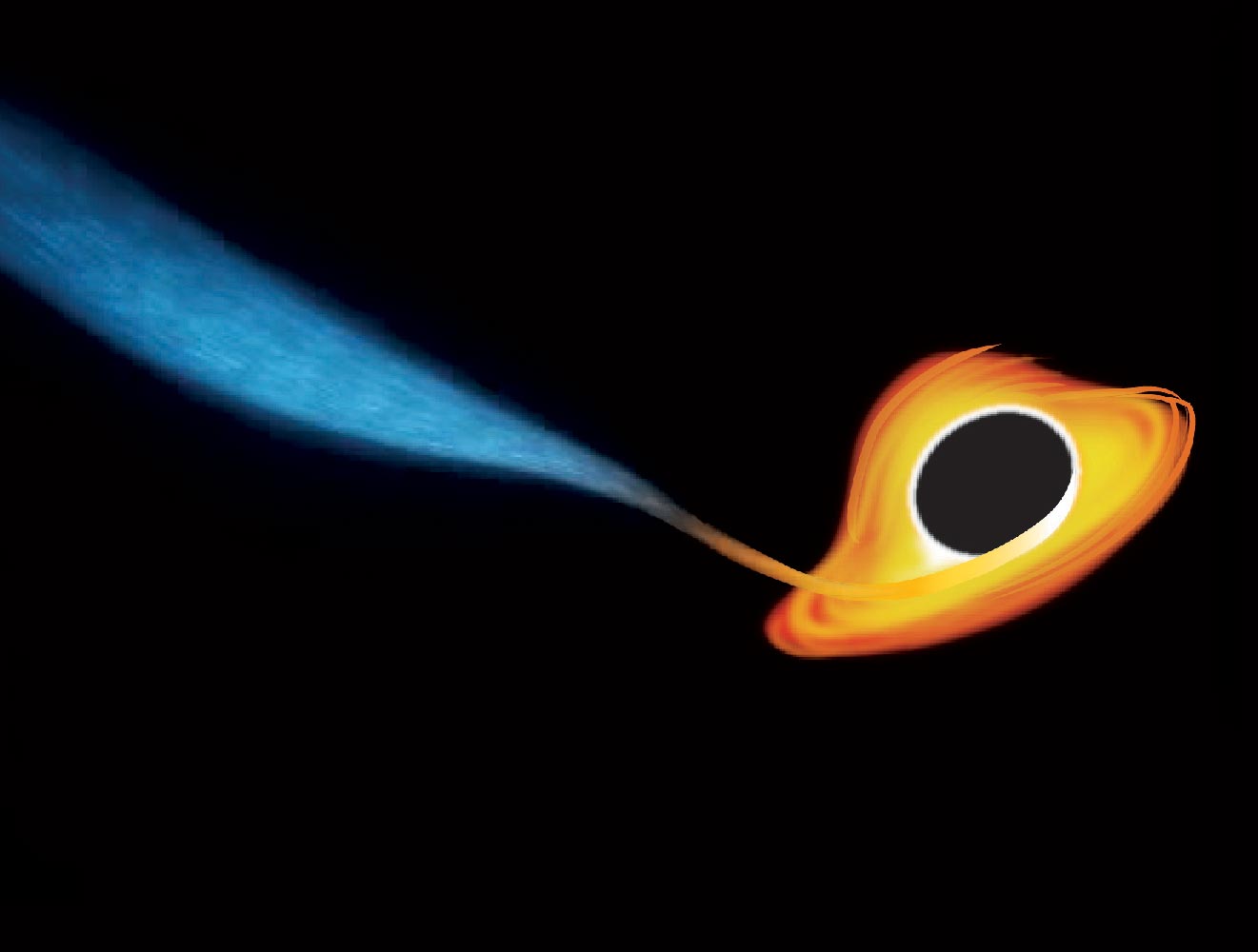
Astronomers at the University of Hawaiʻi’s Institute for Astronomy (IfA) have uncovered a spectacular new type of cosmic explosion that outshines anything ever observed. These incredibly powerful events, called extreme nuclear transients (ENTs), happen when enormous stars—at least three times the mass of our Sun—are slowly torn apart by supermassive black holes. The team’s findings were recently published in Science Advances.
“We’ve observed stars getting ripped apart as tidal disruption events for over a decade, but these ENTs are different beasts, reaching brightnesses nearly 10 times greater than what we typically see,” said Jason Hinkle, who led the study as the final piece of his doctoral research at IfA. “Not only are ENTs far brighter than normal tidal disruption events, but they remain luminous for years, far surpassing the energy output of even the brightest known supernova explosions.”
While ENTs are extremely rare—millions of times less common than supernovae—their dazzling brightness allows scientists to detect them in galaxies billions of light-years away. That makes them a powerful new tool for studying black holes and the distant universe.
Discovery Through Gaia’s Lens
One of the most dramatic ENTs observed so far, named Gaia18cdj, released an astonishing amount of energy: 25 times more energy than the most powerful supernova on record. In just one year, it gave off as much energy as 100 Suns would emit over their entire lifetimes. For comparison, a typical supernova only matches the output of one Sun over the same period.
Hinkle discovered this remarkable signal by analyzing data from the European Space Agency’s Gaia space telescope. What caught his attention was how different these explosions were from normal stellar outbursts. Instead of fading quickly over a few weeks, these flares continued glowing brightly for years.
“Gaia observations don’t tell you what a transient is, just that something changed in how bright it appears to us,” said Hinkle. “But when I saw these smooth, long-lived flares from the centers of distant galaxies, I knew we were looking at something unusual.”
Not Just Another Supernova
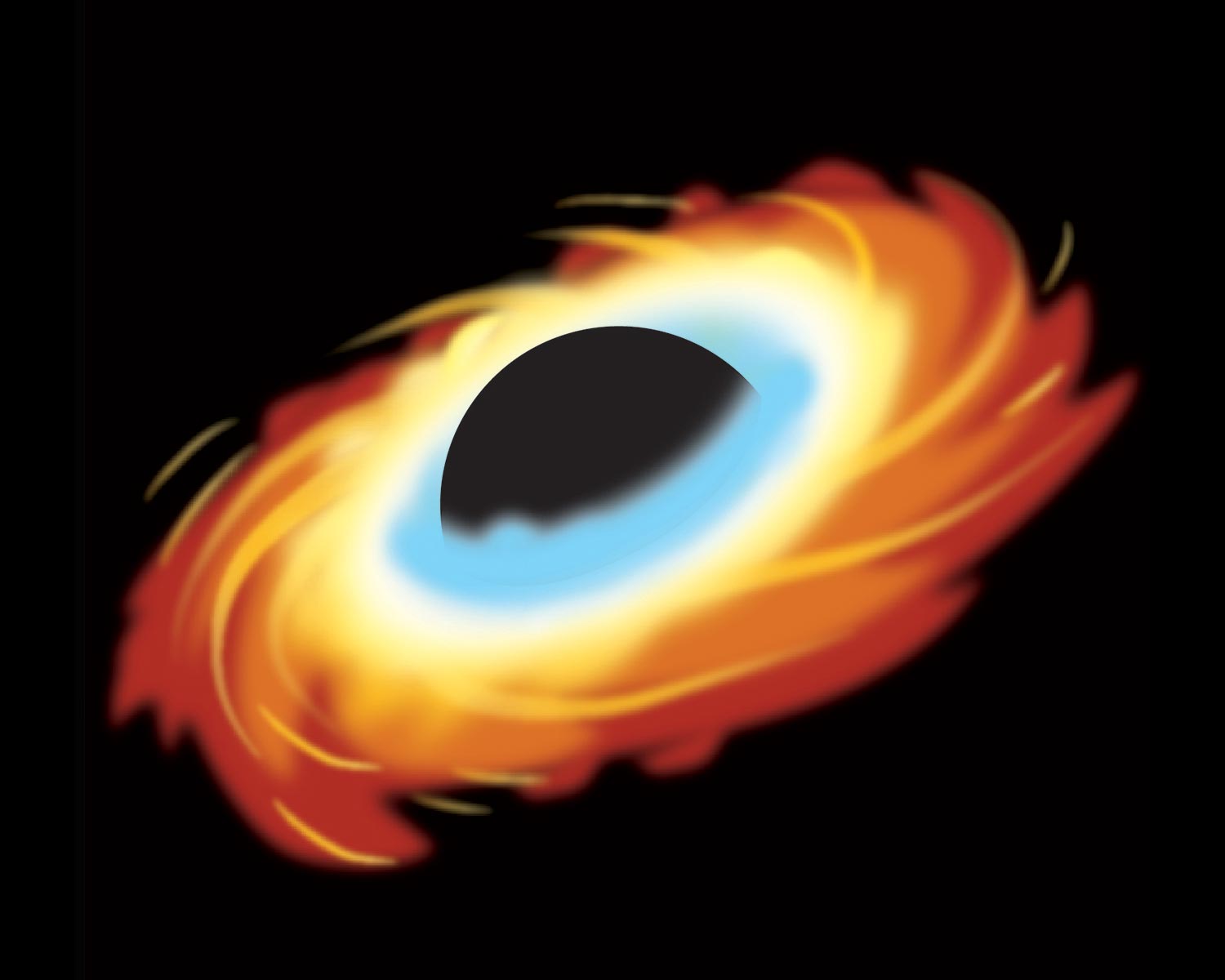
Hinkle used years of observations from UH’s Asteroid Terrestrial-impact Last Alert System with telescopes on Haleakalā and Mauna Loa, the W. M. Keck Observatory on Maunakea, and other telescopes on and orbiting the Earth to characterize these events. Researchers confirmed these weren’t supernovae or normal black hole activity. Instead, ENTs appear to be caused by a smoother, more drawn-out process, stars multiple times as massive as our Sun being slowly consumed by black holes.
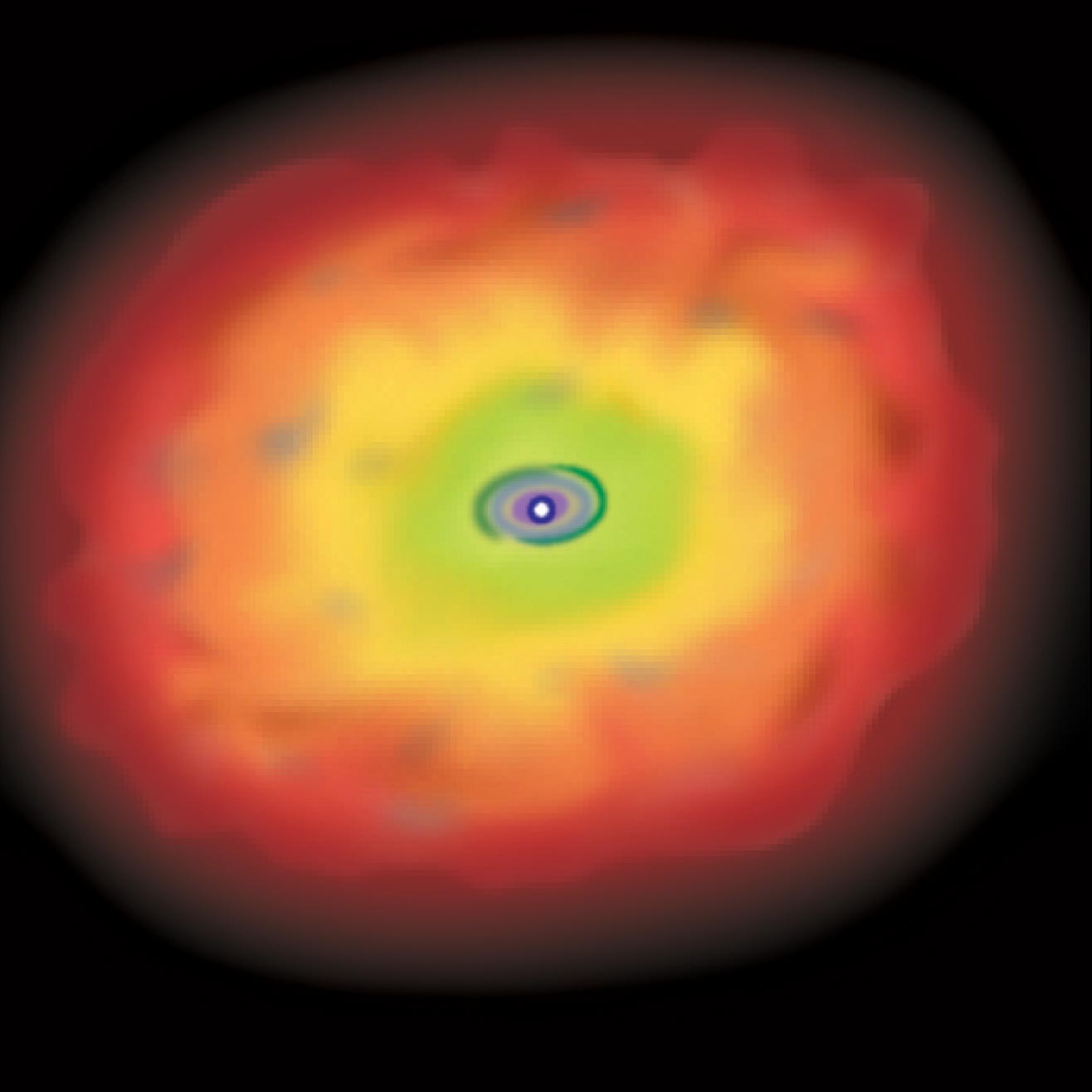
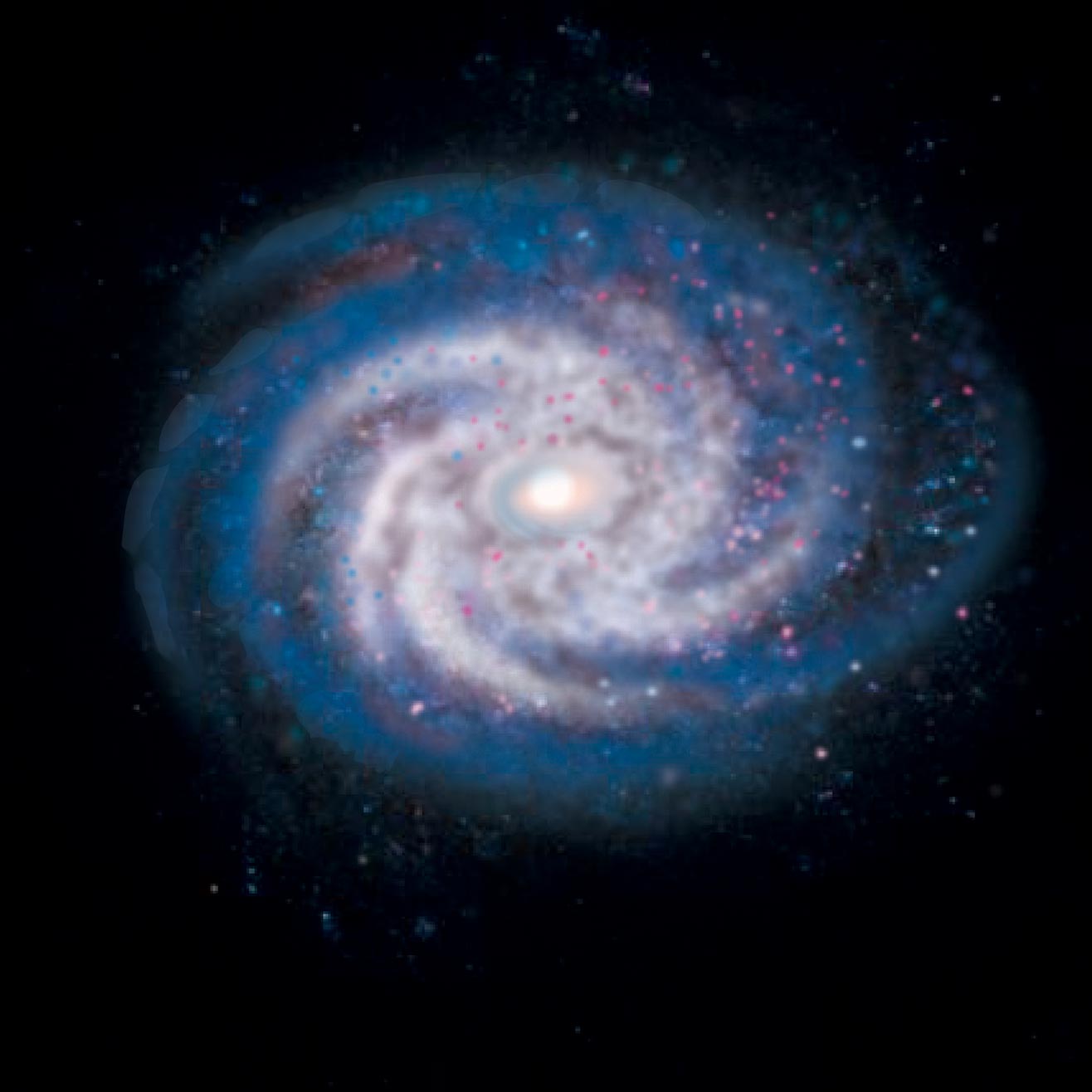
“ENTs provide a valuable new tool for studying massive black holes in distant galaxies,” said Benjamin Shappee, an associate professor at IfA who co-authored the study. “Because they’re so bright, we can see them across vast cosmic distances—and in astronomy, looking far away means looking back in time. By observing these prolonged flares, we gain insights into black hole growth when the universe was half its current age and galaxies were busy places—forming stars and feeding their supermassive black holes 10 times more vigorously than they do today.”
Looking Ahead to Future Discoveries
Astronomers hope to spot many more ENTs, with each offering a glimpse into the powerful forces shaping galaxies across cosmic time. Future observatories such as the Vera C. Rubin Observatory and NASA’s Roman Space Telescope could uncover many more of these spectacular events, revolutionizing our understanding of black hole activity in the distant, early universe.
“These ENTs don’t just mark the dramatic end of a massive star’s life. They illuminate the processes responsible for growing the largest black holes in the universe,” said Hinkle.
Reference: “The most energetic transients: Tidal disruptions of high-mass stars” by Jason T. Hinkle, Benjamin J. Shappee, Katie Auchettl, Christopher S. Kochanek, Jack M. M. Neustadt, Abigail Polin, Jay Strader, Thomas W.-S. Holoien, Mark E. Huber, Michael A. Tucker, Christopher Ashall, Thomas de Jaeger, Dhvanil D. Desai, Aaron Do, Willem B. Hoogendam and Anna V. Payne, 4 June 2025, Science Advances.
DOI: 10.1126/sciadv.adt0074
Never miss a breakthrough: Join the SciTechDaily newsletter.
Follow us on Google and Google News.
1 Comment
Amazing how the universe is revealing its mystery,, Your article makes it easy for me to understand, since I’m not in the field of astrophysics.