
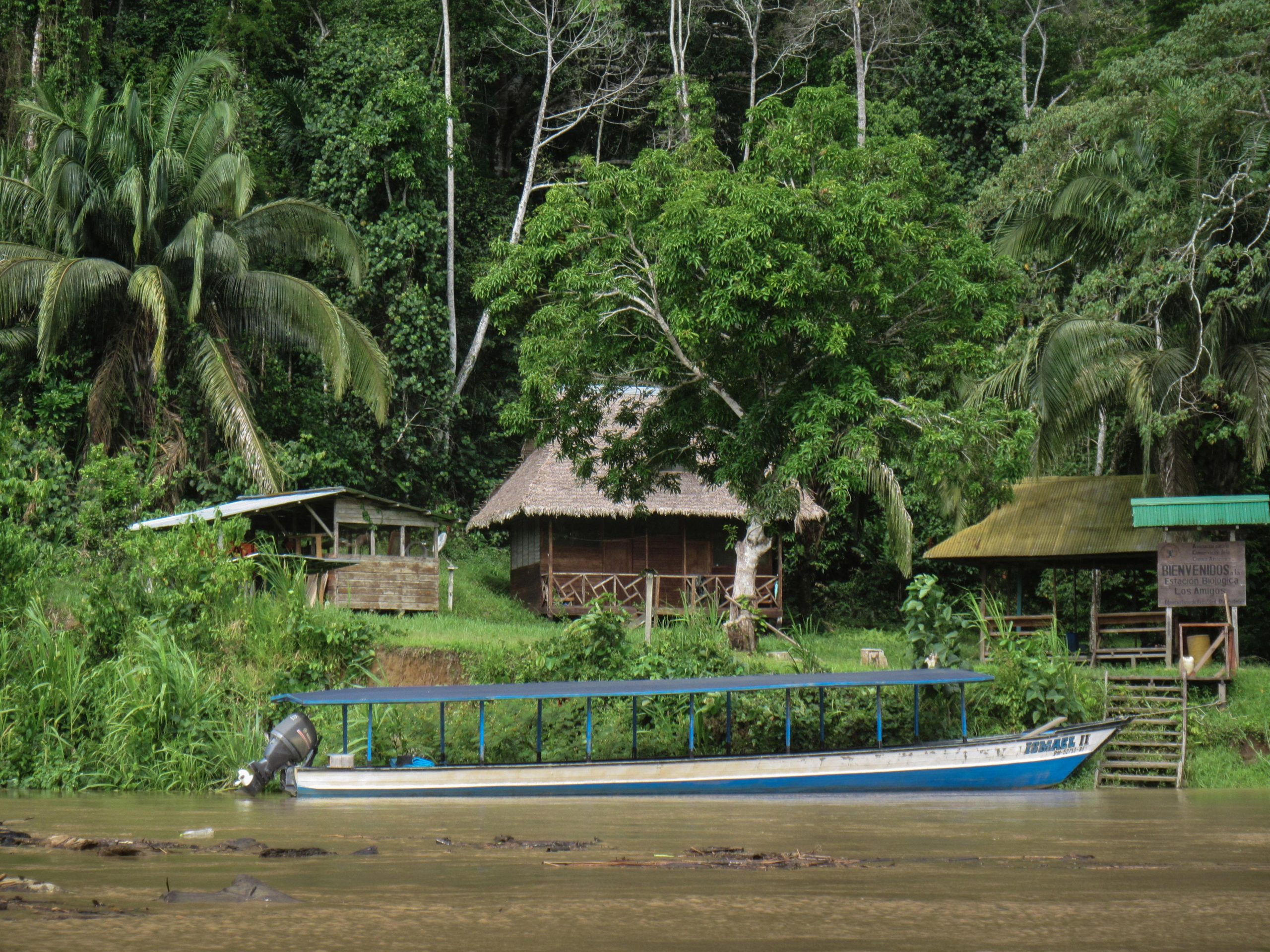
A rare Amazon cold wave dropped temperatures drastically, prompting researchers to study its effects on wildlife. While most animals adapted, some insects showed vulnerability, raising concerns about future climate impacts.
Anyone conducting research in the tropical rainforest does not necessarily carry a winter jacket and warm socks. After all, this region is known for its consistently pleasant temperatures. However, as Kim Lea Holzmann and Pedro Alonso-Alonso discovered firsthand, this is not always the case. Both researchers, who are pursuing their doctoral theses at the University of Würzburg’s Biocentre, spent nearly all of 2023 in the Amazon region of southern Peru studying biodiversity.
On June 13, an unexpected cold spell caused temperatures to plummet from an average of 23.9 to 10.5 degrees Celsius. The chilly period lasted for nearly a week.
‘A year before, we had already experienced a day when it was only 18 degrees,’ says Kim Lea Holzmann. But such severe and prolonged cold seemed strange to them. The local field assistants, on the other hand, were not really surprised. They explained to the Würzburg team that cold spells lasting several days are not that rare in the Amazon.
First Study on Cold Waves and Wildlife
The research team spontaneously decided to seize the opportunity: How would the wildlife react to the cold snap? That was the research question. ‘So far, there have only been studies on how cold waves affect agriculture in the Amazon region. We have now presented the first-ever study on how they affect wild animal communities in the lowlands of the Amazon,’ says the doctoral student. The results have been published in the journal Biology Letters.
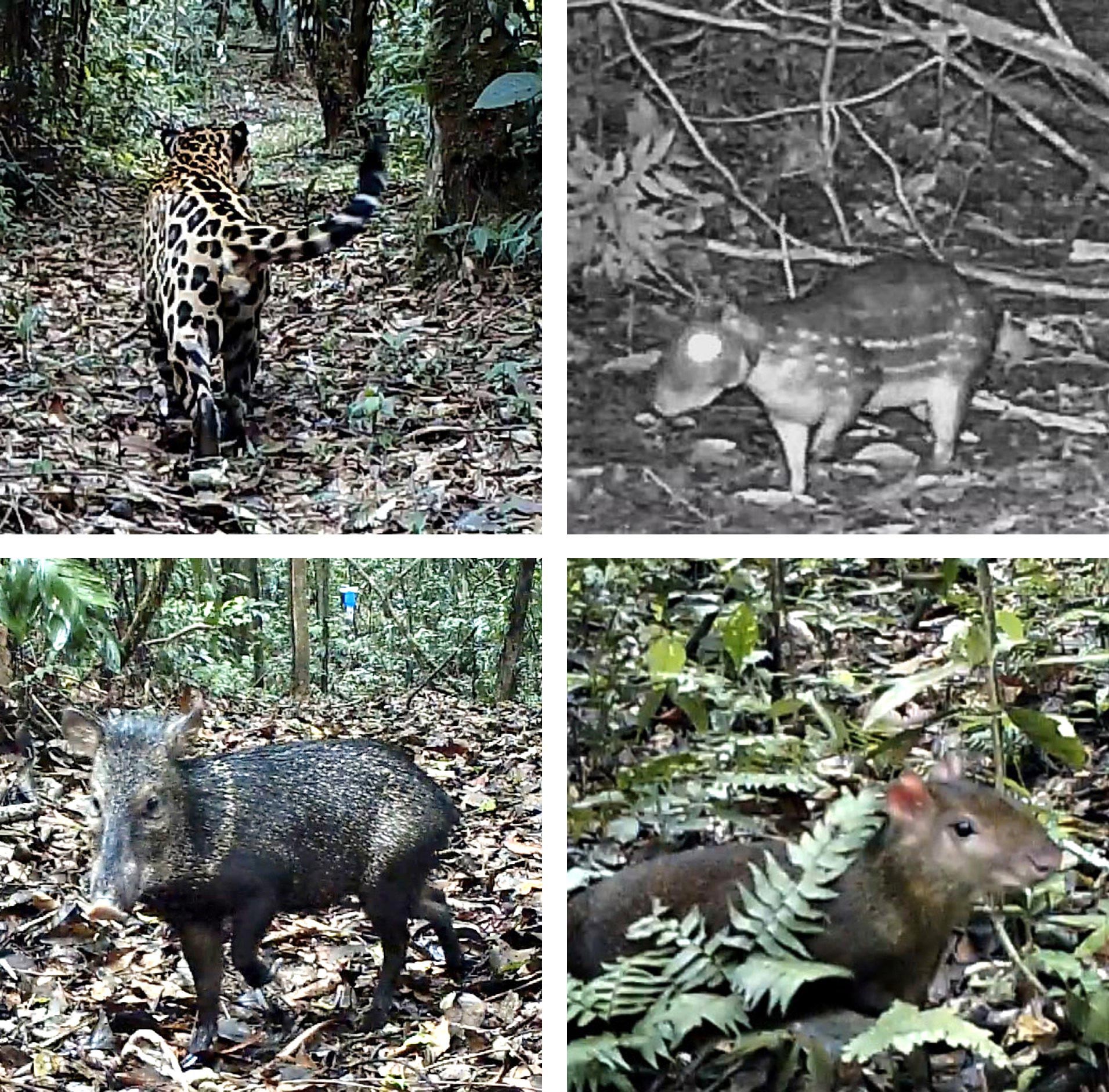
Conclusion: All in all, the insects and mammals studied appear to have coped well with the cold wave- with one exception in the case of insects. In addition, the cold tolerance of a quarter of the insects analyzed was almost exhausted by the low temperatures measured. Certain species could face problems if the cold waves become even more severe in the future. This is quite conceivable in the light of climate change.
Focus on Insects and Mammals
For the study, the research team was able to draw on data that it had already collected in 2022 for its biodiversity studies. It had recorded the biomass of flying and ground-dwelling insects using various insect traps. Twelve camera traps were also used to document the activity of jaguars, tapirs, peccaries, and other wild mammals. The researchers then collected all this data again during the cold spell and again a few months after it ended.
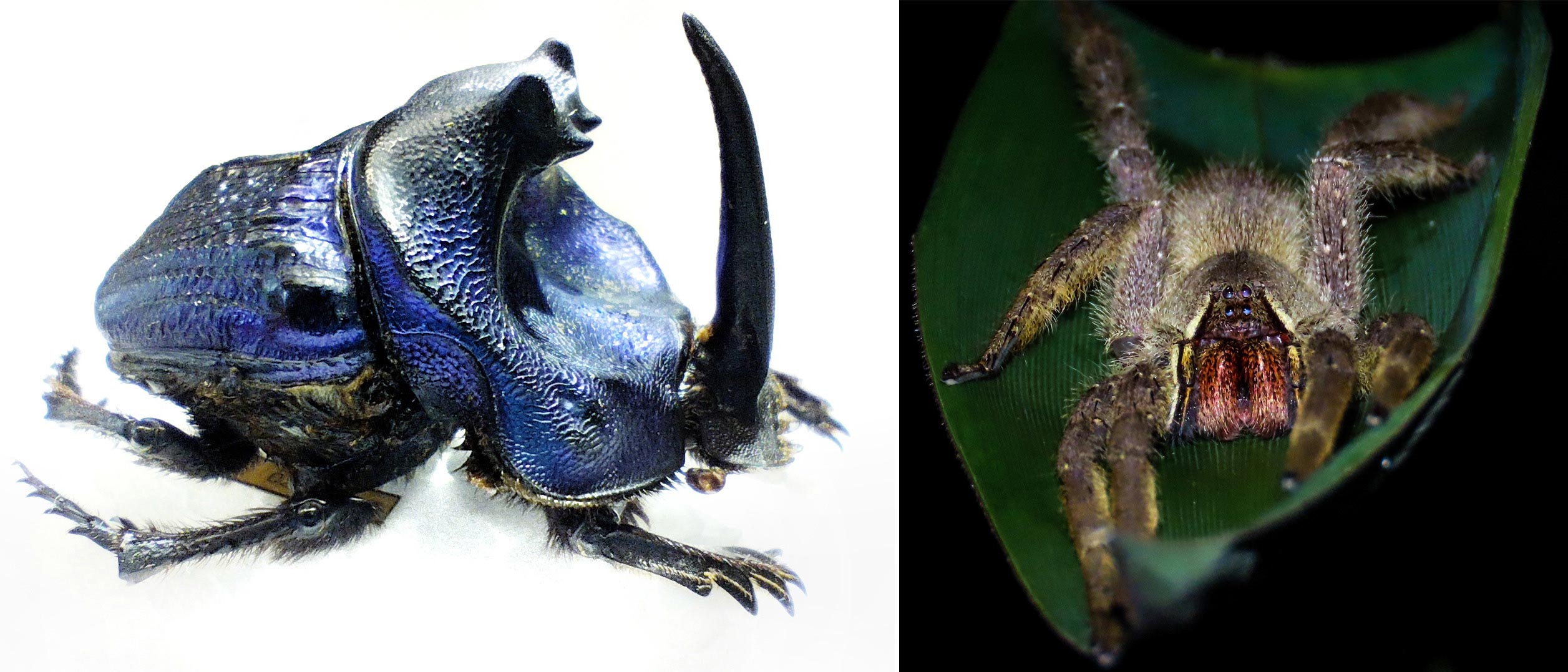
During the cold wave, the biomass and activity of all insects fell sharply. In the months that followed, however, there was a complete recovery. Only in the group of dung beetles the biomass remained low. They are apparently more sensitive to the cold than other insect groups.
The researchers also determined the cold tolerance of various insects by cooling them down in a thermostat until they lost mobility. This showed that most insects can withstand even lower temperatures than those that occurred in June 2023. However, this is not the case for 25 percent of the insects studied: ‘They go into torpor when the temperature is just 0.62 degrees Celsius below the during the cold wave measured 10.5 degrees,’ says Pedro Alonso-Alonso. Insects are completely immobile during torpor – if this state lasts longer, it is likely to have a negative impact on their ability to survive, according to the researchers.
Cold Caused Unusual Calm in the Rainforest
Mammals also did not appear in front of the camera traps as often in the cold. Unlike insects, they can keep their body temperature constant. ‘To do this, they need more energy during the cold phase, which they presumably save by reducing their physical activity,’ says Kim Lea Holzmann.
After the cold wave, the mammals observed returned to their usual routines. ‘We didn’t collect data on birds, reptiles, and amphibians, but our subjective observations show that these animal groups were also less active than usual. During the cold wave, the rainforest was unusually quiet.’
Background: Cold Waves in the Amazon Rainforest
Cold waves, in which temperatures drop sharply for at least three consecutive days, occur relatively frequently in the Amazon Basin. Between 1980 and 2017, 67 cold spells were identified there, some of which lasted up to eight days. A clear cycle for their occurrence is not yet known. In most cases, the cold waves are caused by cold air fronts traveling northwards from Antarctica, parallel to the Andes and the Brazilian highlands.
Reference: “Cold waves in the Amazon rainforest and their ecological impact” by Kim L. Holzmann, Pedro Alonso-Alonso, Yenny Correa-Carmona, Andrea Pinos, Felipe Yon, Gunnar Brehm, Alexander Keller, Ingolf Steffan-Dewenter and Marcell K. Peters, 1 January 2025, Biology Letters.
DOI: 10.1098/rsbl.2024.0591
Insect Biodiversity in the Peruvian Andes
Kim Lea Holzmann and Pedro Alonso-Alonso from the University of Würzburg’s Biocentre are working on their doctorates in the ANDIV project (Patterns and drivers of insect diversity and their microbiome along a complete forest elevational gradient in the Peruvian Andes) under the supervision of Dr Marcell Peters and Professor Ingolf Steffan-Dewenter. The German Research Foundation (DFG) is funding the project; researchers from the University of Jena and LMU Munich are also involved.
Never miss a breakthrough: Join the SciTechDaily newsletter.
Follow us on Google and Google News.
3 Comments
This is proof of man-made detrimental climate change?
Perhaps because it was not the record breaking cold? Or because the mosquito population dropped?.
The Amazon being a vast area needs more protection against land grabbing and poachers. We only have one Amazon rainforest….the last fire have caused great damage…
The cold is called “surazo” because the common knowlege says it comes from the south…..
The local scientists say they are aware of this. Why not let them take lead in the study and let them get published?