
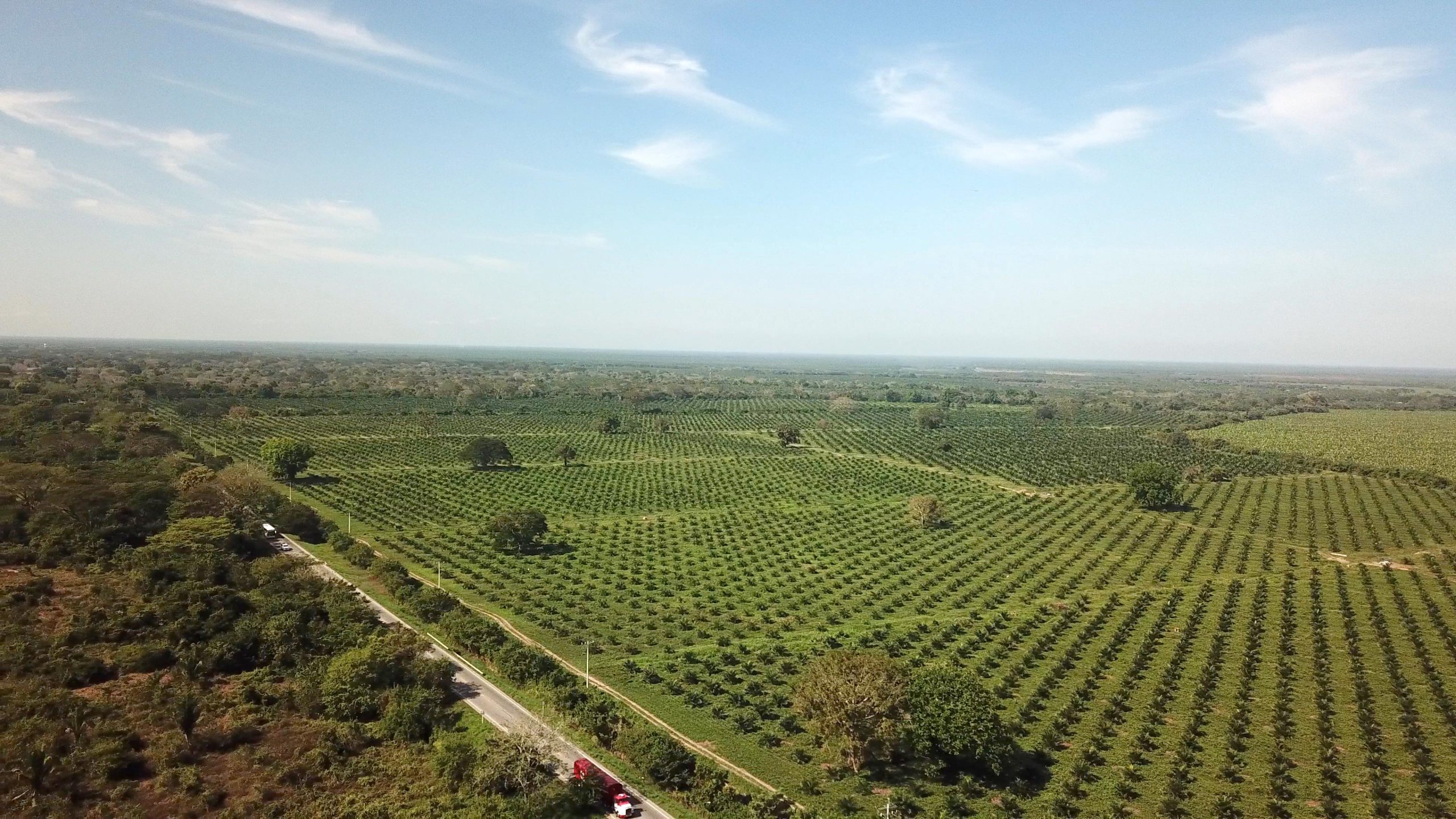
A Stanford study shows that stopping deforestation requires a specific sequence of interventions: deterrents, incentives, international financing, then supply-chain initiatives. This deliberate order helps reduce forest loss more effectively than isolated efforts.
Knowing the steps is not the same thing as knowing how to dance. Similarly, policy interventions to stop deforestation are most effective when enacted in a certain order, according to a new Stanford study.
The first-of-its-kind analysis, published today (October 27, 2021) in Global Sustainability, provides a blueprint for public and private interventions that could help empower countries around the world to reverse the destruction of a precious global resource.
“Stopping deforestation is a classic collective action problem,” said study lead author Paul Furumo, a postdoctoral research fellow in Earth system science at Stanford’s School of Earth, Energy & Environmental Sciences (Stanford Earth). “While it is encouraging to see new public and private actors making commitments, we need to accelerate progress.”
Despite a slew of corporate commitments, national laws, and international financial support aimed at slowing deforestation, the opposite has occurred. Forest loss over the past decade was greater than the previous decade, and the Amazon rainforest has seen a record level of destruction this past year.
“Deforestation is a wicked problem that eludes easy solutions,” said study coauthor Eric Lambin, a professor of Earth system science in Stanford Earth. “Targets, strategies and progress depend on a wide range of variables, such as geographic context, and stakeholders with diverse motivations, land uses, and values. This has led to a messy mix of strategies that may be redundant or outright antagonistic.”
Focusing on commodity production in Brazil, Costa Rica, and Colombia, Furumo and Lambin set out to understand how a well-designed sequence of interventions can deliver conservation goals at lower cost across entire at-risk regions. The researchers reconstructed the policy mix of over 60 public and private zero-deforestation interventions in each country. These policies fell into three domains—domestic public policies, international financial incentives to reduce land-based emissions and supply chain initiatives. They classified each intervention as either a disincentive, incentive or enabling measure, and noted when each was introduced into the policy mix.
A pattern soon revealed itself.

From Disincentives to Incentives to Global Deals
Brazil, Costa Rica and Colombia historically tended to start with disincentives or deterrents, such as expanded protected areas and stiffer consequences for violators, to slow land clearing, consolidate the agricultural frontier and deter speculation.
Next came regulatory incentives, such as conditional payments to protect private forests and the freezing of agricultural credit in counties with high rates of deforestation, to make legal compliance more attractive.
The third step was often voluntary initiatives, such as a $1 billion commitment from Norway in exchange for Brazil’s 2009 pledge to reduce deforestation by 80% by 2020. This type of international climate financing tied to forests helped Brazil, Costa Rica, and Colombia take on broader institutional reforms.
As a final step, the three countries are now pursuing performance-based supply chain interventions, such as public-private partnerships and market exclusion.
Lessons for Effective Forest Protection
From this pattern of interventions, Furumo and Lambin gleaned several overarching lessons for effectively slowing deforestation. Among them:
- The policy sequence should match the evolving threats or drivers of deforestation, as core forests become active frontiers and eventually transition to production landscapes. Since unplanned infrastructure often initiates this cycle, a key first step is channeling these projects away from intact forests.
- Slowing land clearing in frontier forests requires state-led command-and-control measures that increase risks, such as fines, for illegally cutting forests, as well as incentives, such as cash payments, to reduce opportunity costs.
- In later stages, the focus of policies should be on accelerating forest recovery. Sustainable agricultural policies that expand alternative models of production, provide access to non-forested lands, and create more value for farmers are key since most gains in forest cover occur in production landscapes outside of protected areas.
- A deliberate sequencing of policies helps overcome resistance by powerful actors with vested interests, and builds political support for sustainable land use. This requires forging coalitions in support of stronger conservation measures, such as by offering incentives for sustainable forestry practices before putting a ban on forest clearing.
- Technology is an ally. Advancements, such as satellite-based forest monitoring systems, can underpin interventions by tracking deforestation at the farm level to support enforcement of land use regulations and zero-deforestation commitments by companies. This also unlocks new opportunities for public-private partnerships whereby companies make performance-based commitments and governments monitor progress.
“We are in the midst of an unprecedented opportunity to reduce deforestation through public and private collaboration,” said Furumo. “It won’t be done with a single strategy and it won’t be a matter of copy-pasting successful interventions from one country to another. It will be a product of more efficient and coordinated governance that designs synergies across instruments and actors.”
Reference: “Policy sequencing to reduce tropical deforestation” by Paul R. Furumo and Eric F. Lambin, 27 October 2021, Global Sustainability.
DOI: 10.1017/sus.2021.21
Lambin is also the George and Setsuko Ishiyama Provostial Professor at Stanford Earth, a senior fellow at the Stanford Woods Institute for the Environment and a professor at the University of Louvain, Belgium.
Never miss a breakthrough: Join the SciTechDaily newsletter.
Follow us on Google and Google News.