
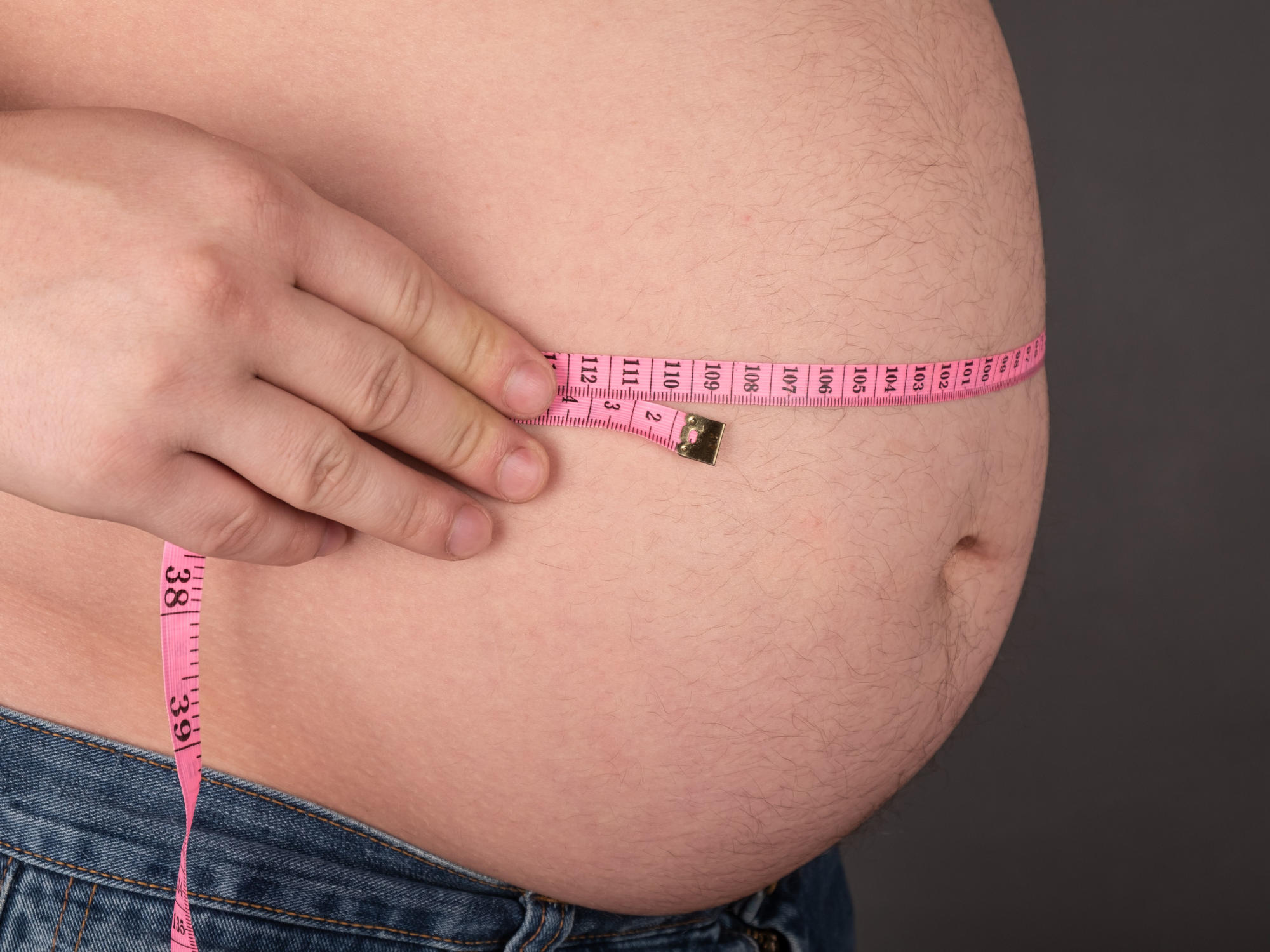
Researchers have uncovered hidden biological changes in fat tissue during weight loss, including cellular cleanup and energy-boosting recycling mechanisms.
Scientists have, for the first time, closely examined how weight loss alters human fat tissue at the cellular level, analyzing hundreds of thousands of individual cells. Their investigation revealed a variety of beneficial changes, including the removal of damaged and aging cells as well as a boost in the body’s ability to process harmful fats.
According to the researchers, these insights offer a deeper understanding of how weight loss brings about health benefits at a microscopic, molecular level. In the long term, this knowledge could support the development of new treatments for conditions such as type 2 diabetes.
Published in the journal Nature, the study involved comparing fat tissue from individuals with a healthy weight to samples from people with severe obesity (BMI over 35) who were undergoing bariatric surgery. In the group undergoing weight loss, fat tissue samples were collected during the surgery and again more than five months afterward, by which time participants had lost an average of 25 kilograms.
A team from the Medical Research Council (MRC) Laboratory of Medical Sciences in London and Imperial College London studied gene activity in over 170,000 cells extracted from the fat tissue of 70 participants.
Lipid Recycling: A Surprising Discovery
They unexpectedly found that weight loss triggers the breakdown and recycling of fats called lipids. This recycling process could be responsible for burning energy and reversing the harmful build-up of lipids in other organs like the liver and pancreas. The researchers say that further study will be needed to establish if lipid recycling is linked to the positive effects of weight loss on health, such as remission of type 2 diabetes.
They also found that the weight loss cleared out senescent cells, which are ageing and damaged cells that accumulate in all tissues. The senescent cells cause harm because they no longer function properly and release signals that lead to tissue inflammation and scarring.
In contrast, the researchers found that weight loss did not improve the effects of obesity on certain aspects of the immune system. They found that inflammatory immune cells, which infiltrated the fat of people with obesity, did not fully recover even after weight loss. This type of inflammatory cell memory could be harmful in the long term if people regain weight.
Expert Perspectives and Health Implications
Dr William Scott, from the MRC Laboratory of Medical Sciences and from Imperial College London, who led the study, said: “We’ve known for a long time that weight loss is one of the best ways to treat the complications of obesity, such as diabetes, but we haven’t fully understood why. This study provides a detailed map of what may actually be driving some of these health benefits at a tissue and cellular level.
“Fat tissues have many underappreciated health impacts, including on blood sugar levels, body temperature, hormones that control appetite, and even reproductive health.
“We hope that new information from studies like ours will start to pave the way for developing better treatments for diabetes and other health problems caused by excess body fat.”
Dr Faye Riley, Research Communications Lead at Diabetes UK, said: “For some people, losing weight can put their type 2 diabetes into remission. But weight loss is challenging, and current approaches don’t work for everyone. This research offers a rare window into the changes that occur in fat tissue during weight loss that may be key to improving health and putting type 2 diabetes into remission.
“By deepening our understanding of these processes, the study could open the door to innovative therapies that mimic the effects of weight loss, potentially helping people with type 2 diabetes to manage their condition or go into remission.”
Reference: “Selective remodelling of the adipose niche in obesity and weight loss” by Antonio M. A. Miranda, Liam McAllan, Guianfranco Mazzei, Ivan Andrew, Iona Davies, Meryem Ertugrul, Julia Kenkre, Hiromi Kudo, Joana Carrelha, Bhavik Patel, Sophie Newton, Weihua Zhang, Alice Pollard, Amy Cross, Oliver McCallion, Mikyung Jang, Ka Lok Choi, Scarlett Brown, Yasmin Rasool, Marco Adamo, Mohamed Elkalaawy, Andrew Jenkinson, Borzoueh Mohammadi, Majid Hashemi, Robert Goldin, Laurence Game, Joanna Hester, Fadi Issa, Dylan G. Ryan, Patricia Ortega, Ahmed R. Ahmed, Rachel L. Batterham, John C. Chambers, Jaspal S. Kooner, Damir Baranasic, Michela Noseda, Tricia Tan and William R. Scott, 9 July 2025, Nature.
DOI: 10.1038/s41586-025-09233-2
The study was funded by the Medical Research Council, Diabetes UK and Wellcome.
Never miss a breakthrough: Join the SciTechDaily newsletter.
Follow us on Google and Google News.