

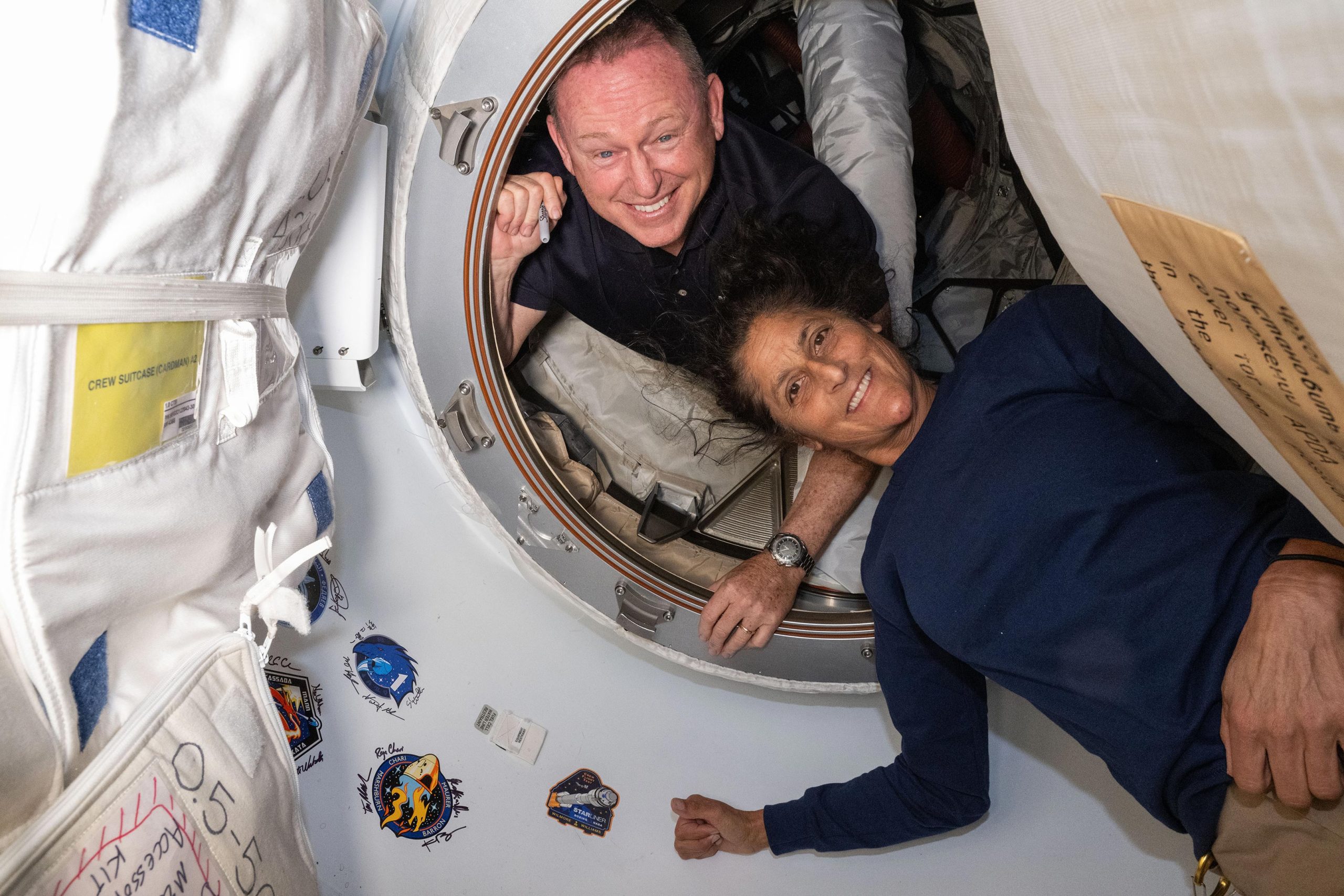
NASA and Boeing leaders updated on the Starliner’s Crew Flight Test, focusing on spacecraft safety and the health of astronauts Butch Wilmore and Suni Williams.
The ongoing evaluation involves testing the propulsion system and other components to ensure safe return. Additional tests are being carried out at White Sands, with further ground testing planned to understand thruster performance. The extended stay at the ISS allows for detailed data analysis and preparation for future missions.
Starliner Crew Flight Test Update
During a media teleconference on Friday, June 28, leaders from NASA and Boeing provided an update about Starliner’s Crew Flight Test. The integrated Starliner team continues to evaluate the spacecraft’s propulsion system performance and complete other forward work before scheduling undocking from the International Space Station (ISS). Listen to a full replay of the teleconference below.
Safety and Performance Testing
“Our goal is to bring Butch and Suni home aboard Boeing’s spacecraft, and we are working to confirm Starliner will perform as designed to return them safely to Earth,” said Ken Bowersox, associate administrator, NASA’s Space Operations Mission Directorate, NASA Headquarters in Washington. “Space station gives us the luxury of time, allowing us to look at data we gathered on the way uphill and conduct some additional testing. We’re still in the middle of a test mission, and we want to spend more time with the data before we make the final call to put the crew aboard the spacecraft for return.”

Enhancing Starliner’s Thruster Reliability
NASA and Boeing will conduct additional ground testing at White Sands Test Facility in New Mexico to better understand the spacecraft’s thruster performance. This testing will expose Starliner’s thrusters to flight-like pulse counts and thermal conditions for ground teams to inspect and analyze. The data collected also will help determine system improvements for future post-certification missions to the International Space Station.
“We spent a lot of time working to determine whether we could get meaningful data from a ground hot fire to better inform our decision making in flight, and I am extremely proud of our integrated NASA and Boeing teams for coming up with some innovative options and leveraging testing plans that were already in place for future missions,” said Steve Stich, manager of NASA’s Commercial Crew Program. “Based on the continued performance of Starliner while docked, we are working with station to extend the certification of several components beyond a 45-day mission duration, if needed, so our engineering teams can take the time they need while Butch and Suni support various in-orbit activities that are critical for sustaining station operations and research.”
Data Collection and Leak Management
Engineering teams are working to finalize testing plans and a timeline for the additional ground testing, which should occur over the next two weeks. They are taking advantage of the extra time by gathering as much data as possible while docked to the station, considering the service module will not be recovered at the end of the mission.
Ongoing Monitoring and Analysis
Since Starliner’s arrival on June 6 with NASA astronauts Butch Wilmore and Suni Williams aboard, mission teams have been working to complete open work related to managing five small leaks in the spacecraft’s service module helium manifolds while reaffirming the health of the spacecraft’s reaction control system thrusters. Starliner remains available in case of an emergency on the space station that would require the crew to leave orbit immediately and return to Earth.
In addition to monitoring the hardware in orbit, which is operating normally in a docked state, NASA and Boeing continue testing and analysis on the ground by exploring potential causes for the helium system leaks and analyzing instrumentation data on Starliner’s thrusters. Engineers are working to gauge potential helium leak rates that may occur after undocking, validate operational mitigations for use in flight as needed, and explore fault tree considerations beyond what the teams have already gathered from the flight data.
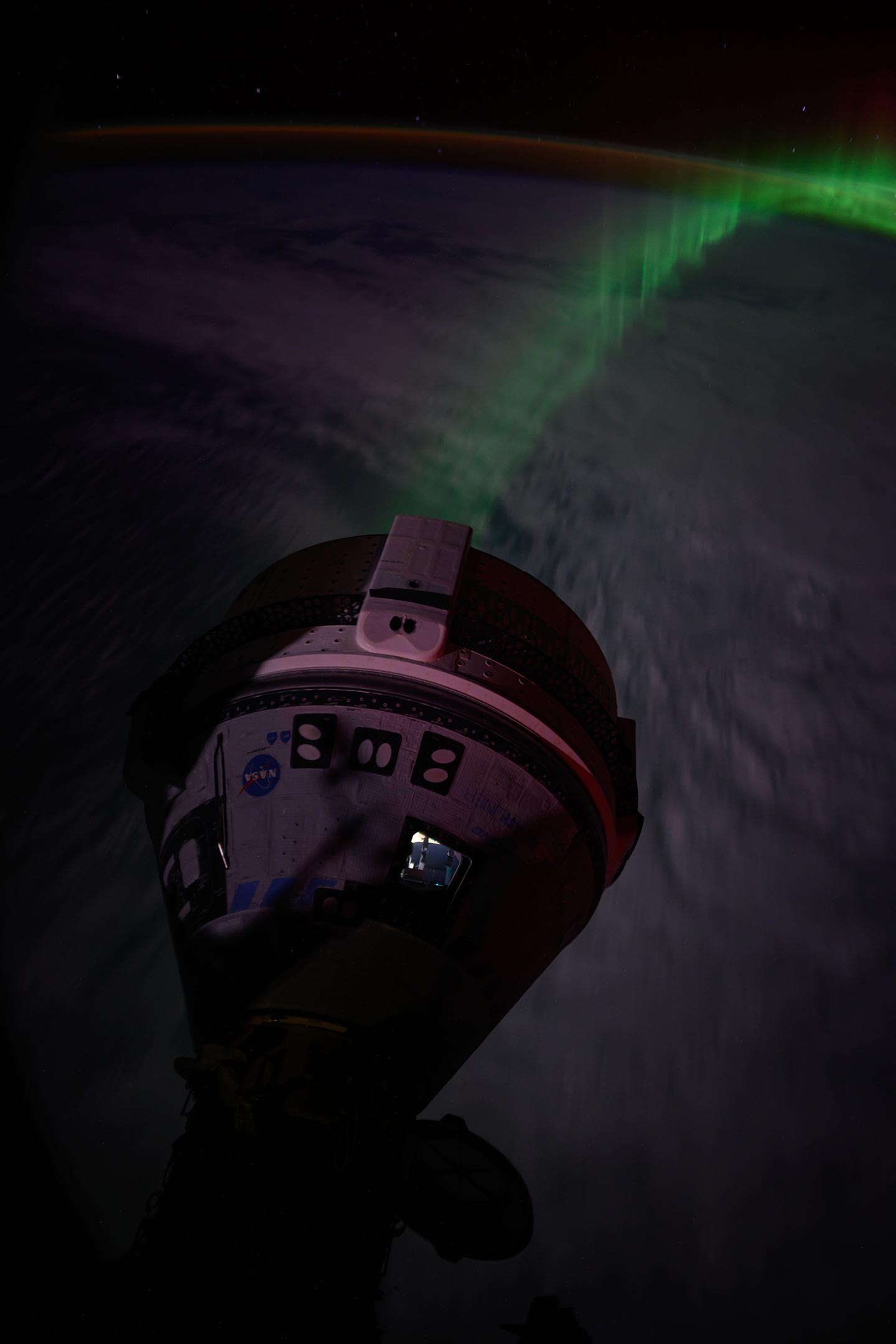
They also are evaluating recent ground test results that showed better than expected performance of Starliner’s thruster instrumentation. Based upon these results, engineering teams have confidence that Starliner’s thruster pressure transducers are not overheating in flight and causing premature deselects of the thrusters in orbit, which was initially considered to be a possibility. Meanwhile, simulated propulsion system contingency scenarios continue to be worked in the lab to ensure expected performance of Starliner’s backup systems and thruster combinations for use during the return if needed.
Preparing for Return
Once all the necessary ground testing and associated data analysis is complete, leaders from NASA’s Commercial Crew and International Space Station Programs and Boeing will conduct an agency-level review. During the review, senior agency leaders and mission managers will discuss their findings and options with the broader NASA community, including international partners, to formally document the agency’s acceptance of Starliner’s flight plan and evaluate future return opportunities.
NASA plans to host a televised media briefing following the agency review to discuss the next steps ahead of Starliner’s return. The agency will share details on that briefing once it is finalized.
Wilmore and Williams continue to provide additional crew time and valuable contributions aboard the space station, assisting with spacewalks and science investigations while helping ground teams collect critical data for post-certification, long-duration Starliner flights to the orbiting complex.
Never miss a breakthrough: Join the SciTechDaily newsletter.
Follow us on Google and Google News.
2 Comments
“We’re still in the middle of a test mission, and we want to spend more time with the data before we make the final call to put the crew aboard the spacecraft for return.”
So, they’ve got zero fu¢king clue what’s going on.
The new and improved, DEI compliant Boeing. 10 years behind schedule and $1,5 billion over budget.