
A new study suggests that one of the most common diabetes treatments may speed type 2 diabetes progression by causing insulin-producing cells to lose their functional identity.
Sulphonylureas have been used to treat type 2 diabetes since the early 1950s and remain among the most frequently prescribed medications for the disease. Common examples include glimepiride (Amaryl), glipizide (Glucotrol), and glyburide (Diabeta, Micronase). Even so, evidence shows that their effectiveness can decline with long-term use and that they may produce more side effects than several newer diabetes drugs.
New research from the University of Barcelona, the Bellvitge Biomedical Research Institute (IDIBELL), Bellvitge University Hospital, and the CIBER Area for Diabetes and Associated Metabolic Diseases (CIBERDEM) indicates that sulphonylureas may interfere with the normal function of insulin-producing cells.
The study found that these drugs can drive a loss of cellular identity in pancreatic beta cells, limiting their ability to release insulin and potentially speeding the progression of type 2 diabetes.
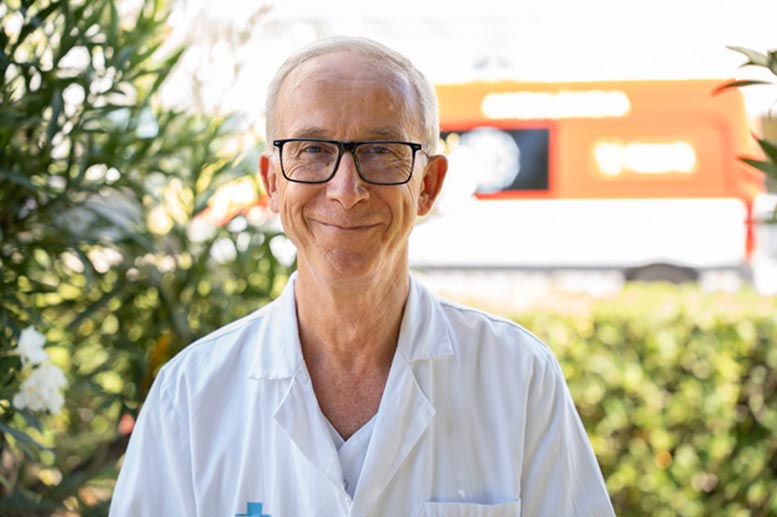
The findings were published in the journal Diabetes, Obesity and Metabolism and were led by Professor Eduard Montanya of the University of Barcelona’s Faculty of Medicine and Health Sciences. Montanya heads the Diabetes, Nutrition and Endocrine Diseases group at IDIBELL and also works as a physician at Bellvitge Hospital while serving as a member of CIBERDEM.
The gears of diabetes
Diabetes is a chronic condition caused by an abnormal increase in blood glucose (hyperglycemia). This complex disease involves insulin, the hormone that regulates blood glucose levels, and the pancreatic beta (β) cells, which are responsible for producing insulin.
Type 2 diabetes is characterized by insulin resistance and a progressive loss of β-cell function to cope with it. Both β-cell death and loss of β-cell identity play an important role in these alterations, a process known in animal models and now corroborated in humans by the researchers.
“Not only do β cells die, but they also lose their functional identity and, although they are still alive, they revert to a state in which they are unable to produce and secrete insulin effectively, and it seems that sulphonylureas contribute to this loss of cell identity, increasing and enhancing their loss of function,” explains Dr. Eduard Montanya. leader of the Diabetes, nutrition and endocrine diseases group at IDIBELL, physician at the Bellvitge Hospital, researcher at CIBER and professor at the Faculty of Medicine and Health Sciences of the UB. He adds,
“And it appears that sulfonylureas contribute to this loss of cell identity, increasing and enhancing their loss of function.”
The double face of sulfonylureas
Sulfonylureas are drugs capable of interacting directly with β cells to stimulate insulin secretion. Initially, they are effective in lowering blood glucose levels, but eventually lose the ability to restore glycemic control (which is known as secondary sulfonylurea failure).
What’s more, as seen by the researchers, continued exposure to these drugs contributes to the loss of β cell function. This would explain why they are progressively less effective in reducing blood glucose, which could accelerate the progression of type II diabetes.
To understand how this happens, Dr. Montanya’s team has analyzed the effect of glibenclamide, a sulfonylurea, on healthy pancreatic β cells exposed to normal glucose conditions. The results are clear: cells exposed to the drug showed a reduction in the expression of genes essential to their function (including insulin expression itself), increased rate of cell death, and loss of insulin-secretion capacity in response to glucose.
“We have been able to confirm that glibenclamide has negative effects on β cells and accelerates the loss of functional mass, and that it does so in a time-dependent manner, since the involvement is greater the longer the exposure time,” researchers emphasize. The team has shown that the mechanism by which sulfonylureas cause the loss of identity of beta cells is, at least partially, through the induction of stress in the endoplasmic reticulum, a subcellular structure involved in the manufacture and modification of proteins.
Loss of identity, a potentially reversible phenomenon
Ultimately, these results provide a basis for understanding the loss of efficacy of sulfonylureas in the treatment of diabetes and their potential contribution to the progression of the disease, although more studies are needed to see how this finding translates into clinical practice.
However, on the other hand, knowing that in type II diabetes some beta cells do not die, but revert to a non-functional state, opens a line of research of great clinical interest: unlike cell death, the loss of identity is a potentially reversible phenomenon. Thus, understanding how it is produced is key to proposing, in the future, possible therapies that reverse the process and recover the functional identity of cells to offer long-term solutions for diabetic patients.
Reference: “Loss of β-cell identity in human islets treated with glibenclamide” by Claudia Fernández, Montserrat Nacher, Kevin Rivera, Sandra Marín-Cañas, Maria Sorribas, Gabriel Moreno-González, Elisabet Estil·les, Patricia San José, Noèlia Téllez and Eduard Montanya, 4 August 2025, Diabetes, Obesity and Metabolism.
DOI: 10.1111/dom.16632
Never miss a breakthrough: Join the SciTechDaily newsletter.
Follow us on Google and Google News.
15 Comments
I see many things on the internet saying that there’s a cure for type 2. How come when you speak to your Doctor, they look at you as being crazy. I have been on Metformin, and Insulin formany years. Lately my sugar levels have been all over the place. Tired of over 1500 injections a year. My belly is like a pin cushion.
Type I you’re born with and Type II is a choice
If a person can get to a healthy weight by eating well/clean and getting exercise they can lower their numbers. But for some the damage is done and they need medication to aid in the weight loss journey. Is was pre-diabetic for years and was told by a doctor that one day I WOULD BE DIABETIC! That was 15 years ago and I managed to keep it under control but couldn’t shake off the pre diabetes until I got Zepbound last year. You can become healthier but you need a doctor that believes in you and will cheer on your efforts. Good luck in your journey.
Type 2 is not a choice. My family member lost a significant amount of weight and their A1C is 13. Weight loss does not always equal better numbers.
Ozempic saved my life. Normal Glucose almost immediately. Did sleeve surgery, metformin, exercise, insulin, you name it. Post surgery doctors were convinced i had someone sneaking food to me bc #s were so high. Not until i finally tried Ozempic in 2019 that i finally got a break. I am no longer considered diabetic with A1C of 5.5
Find a new doctor. I was on massive doses of Metformin and was in stage 3 chronic kidney disease. I was also unable to lose weight regardless of exercise and diet. I was put on Saxagliptin and Jardience by my new doctor. I am no longer in any stage of chronic kidney disease, my liver function is normal, and my A1C has dropped from 13 to 6.2 in just under a year.
Type 2 diabetes is the result of an eating disorder, when too much sugar is consumed. This down-regulates insulin secretion, since there is too much sugar in the blood. No mention of diet in this article.
Especially interesting is the negative impact of current drugs for type 2 diabetes that are still being prescribed. It will take more than this study to reverse current prescription guidelines. “Ultimately, these results provide a basis for understanding the loss of efficacy of sulfonylureas in the treatment of diabetes and their potential contribution to the progression of the disease, although more studies are needed to see how this finding translates into clinical practice.” The lesson is that medications used for type 2 diabetes can make this disease worse, but your doctor will prescribe them out of habit despite the negative evidence.
Type 2 diabetes is not always caused by consuming too much sugar. It can also be caused by genetics.
I must say, you arent very educated in Diabetes T2. It is NOT always an eating disorder, and that only accounts for about 15% of T2 diabetics. There is a genetic factor, and other issues that cause insulin resistance. My family has a history of T2, and myself, eating right, no junk food, exercise etc developed T2 diabetes at age 40.
Please educate yourself before commenting.
Keto & Intermittent fasting & OMAD Help with insulin and sugar cravings 4 me … I know it helps but how it effects diabetes I don’t know
Another bit of unnecessary research. When I was diagnosed with diabetes, my doctors said that if diet, exercise, and metformin didn’t work, they would want me to go right to insulin. The drugs in this study, they said 15 years ago, would eventually make the beta cell stop working.
Metformin is outdated and causes Kidney disease. I was on metformin for 20 years, and at that time I was diagnosed with Stage 3 chronic kidney disease. Diet and exercise seemed to make little to no difference. I found a new doctor. He believes there are better ways than the old standard meds for treating conditions of all kinds. He stopped my metformin, and put me on Jardience and Saxagliptin. My A1c in less than a year dropped from 13 to 6.2, I no longer have any issues with my kidneys, and for the first time in 20 years, was able to lose weight.
There is absolutely NO WAY you were on Metformin without normal kidney function.
It woukd kill you in days.
BS
I guess I’m one of the rare few who was able to defeat T2. My sister did the same thing, so there’s your genetic link.
We both sharply changed diet, no extra sugar at all, took Metformin as prescribed and after a few months, pre-diabetic, then after about a year, no sign of T2.
We did not know each other had done the same thing. We found out years later. She actually lost a lot of weight. I didn’t. She’s about 11 years older than me.
Scrap off these identified trial proven and harmful drugs completely from the market immediately.. no use putting in pages and pages of research matter..who is going to take it up first…the pharma giants or the visionaries ??
I agree, I was 46 when I found out that I was Type 2 diabetic.
No symptoms, I had a check up with blood work done, and was told that because both of my parents and Maternal Grandmother had diabetes, I was genetically exposed to the disease.