
Weizmann Institute study finds genetics may account for about 50 percent of human lifespan, more than double previous estimates.
What determines how long people live, and how much of their lifespan is influenced by genetics?
For many years, scientists believed the genetic contribution to human lifespan was relatively modest compared with other biological traits. Earlier estimates placed the heritability of lifespan at around 20 to 25 percent, and some more recent large studies suggested it might be even lower, in some cases below 10 percent.
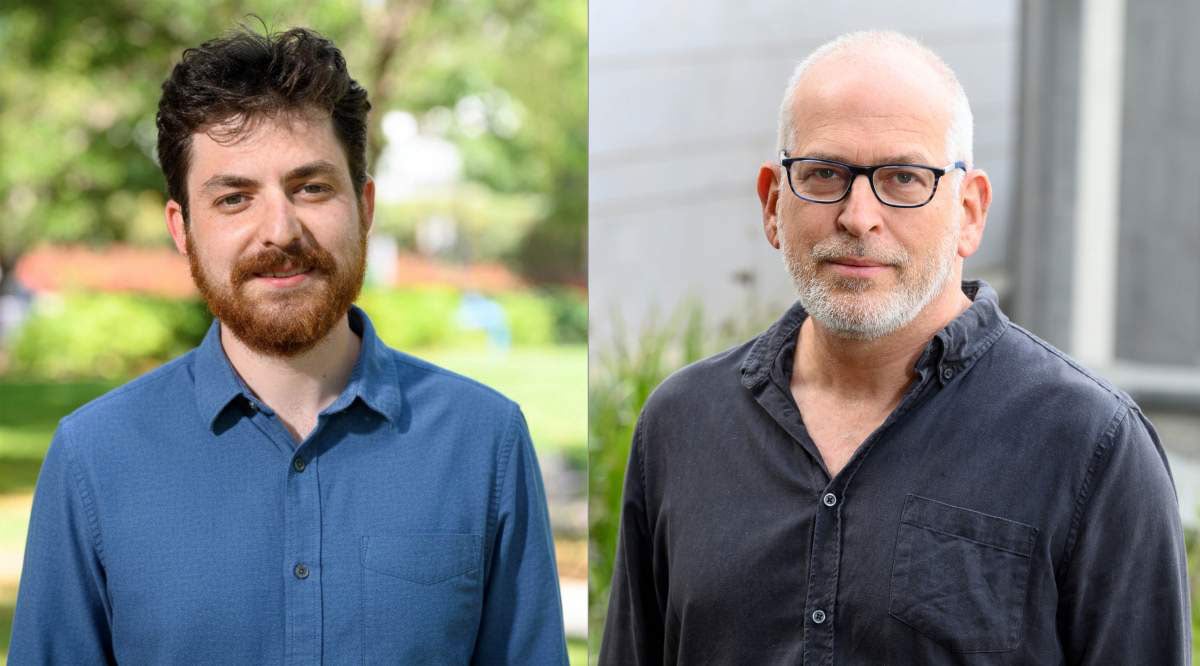
A new study from the Weizmann Institute of Science now challenges that view. The research, published in the journal Science, reports that genetic differences may account for roughly half of the variation in human lifespan. This estimate is more than double many previous calculations. The work was led by Ben Shenhar in the laboratory of Prof. Uri Alon of the Weizmann Institute’s Molecular Cell Biology Department.
Hidden mortality masked genetic effects
To investigate the genetic influence on lifespan more carefully, the researchers analyzed three major twin registries from Sweden and Denmark. These databases included pairs of twins raised together as well as, for the first time in this type of analysis, twins who grew up in different households. Twin studies are especially useful for examining heritability because identical twins share the same DNA, allowing scientists to compare genetic and environmental influences on traits.
The team found that earlier estimates were likely distorted by what scientists call extrinsic mortality. This includes deaths caused by external factors such as accidents, infectious diseases, and environmental hazards. When these types of deaths occur, they can obscure the biological processes linked to aging.
Older datasets did not include information about the cause of death, which made it difficult for previous researchers to separate deaths related to aging from those caused by outside events. To overcome this problem, the team designed a new analytical approach that combined statistical modeling with mathematical simulations of “virtual twins.” This framework allowed them to distinguish deaths associated with biological aging from those caused by extrinsic factors. The revised analysis revealed a much stronger genetic influence on lifespan than earlier studies suggested. The findings also align with heritability levels observed in many other complex human traits and with results reported in animal research.
Strong genetic signal reshapes aging research
The discovery could have important implications for both aging research and public health.
“For many years, human lifespan was thought to be shaped almost entirely by non-genetic factors, which led to considerable skepticism about the role of genetics in aging and about the feasibility of identifying genetic determinants of longevity,” says Shenhar. “By contrast, if heritability is high, as we have shown, this creates an incentive to search for gene variants that extend lifespan, in order to understand the biology of aging and, potentially, to address it therapeutically.”
Reference: “Heritability of intrinsic human life span is about 50% when confounding factors are addressed” by Ben Shenhar, Glen Pridham, Thaís Lopes De Oliveira, Naveh Raz, Yifan Yang, Joris Deelen, Sara Hägg and Uri Alon, 29 January 2026, Science.
DOI: 10.1126/science.adz1187
Prof. Uri Alon’s research is supported by the Sagol Institute for Longevity Research; the Knell Family Institute for Artificial Intelligence; the Moross Integrated Cancer Center; the David and Fela Shapell Family Center for Genetic Disorders Research; the Zuckerman STEM Leadership Program; and the Rising Tide Foundation.
Never miss a breakthrough: Join the SciTechDaily newsletter.
Follow us on Google and Google News.
5 Comments
Ben 10
I do not use Facbook or Twitters,,or any other mind destroying
On line newspaper,,Facebook created by A1 team,,to control the minds of the young and merging Audults..
Yes many have hundreds of friends,,but in fact probably none,,
The idiot human race is at a cross roads,,,,Suffive,,or Perrish…
I was born in 1941,,and suffived the 2 World War and more,,,now people can hardly read and write,,And the Moon Rocket will never take off,,it did in 1969,,and more
Human intelligents Level declining…
Anthony Greville studham Star…I am not a Robot!
I’m ME,,,,,,,
Then you will suffice
this paper does not bring any new issue,the title is brilliant but the issue is scrambled sentenses and repeated
I’m not sure exactly how this would affect the outcome but, as a now 82 year old lay American male with a family history of premature mortality, I have found at least three serious errors/omissions in the study; extrinsic factors falsely considered to be intrinsic factors: 1) sub-acute (nearly subclinical) non-IgE-mediated food (minimally) allergy reactions, 2) toxic food additives and/or 3) excessive related/resultant medical errors. Simply put, many so-called “aging related diseases” (Editor’s summary) are not aging related at all, they are undiagnosed allergy, nutritional imbalance and/or medical error related. Surely, based on the subjects being from the late 1800s and the early 1900s, with allergies being acquired and/or inherited, the toxic food additives factor would be minimal but, instead, nutritionally poor diets may have been a much greater factor.