

A hidden nutrient in the soil could double the speed at which tropical forests, and their climate benefits, come roaring back.
New research shows that tropical forests can rebound up to twice as fast after deforestation when soil nitrogen levels are high. The findings highlight how conditions below the forest floor play a major role in how quickly trees return after land is cleared.
To explore this, scientists led by the University of Leeds launched the largest and longest experiment of its kind focused on forest regrowth. The project examined how nutrients influence recovery in tropical areas previously cleared for logging, agriculture, and other human uses.

A Long-Term Experiment Across Central America
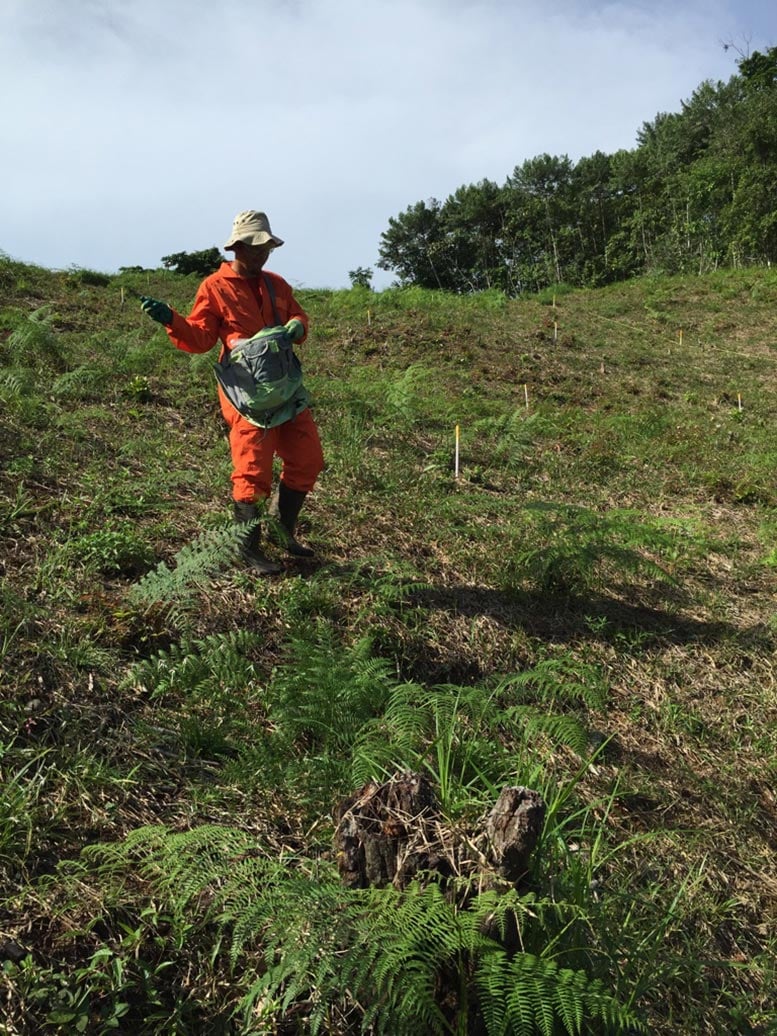
The research team selected 76 forest plots spread across Central America. Each plot measured roughly one third of a football pitch and represented forests at different stages of regrowth. Researchers tracked tree growth and mortality across these sites for as long as 20 years.
Each plot received one of four treatments. Some were given nitrogen fertilizer, others phosphorus fertilizer, some received both nutrients together, and a final group was left untreated. This design allowed scientists to isolate how specific nutrients affected forest recovery over time.
Nitrogen Emerges as a Critical Factor
The results showed that soil nutrients strongly shape how tropical forests recover. During the first decade of regrowth, forests with adequate nitrogen rebounded about twice as quickly as those without sufficient nitrogen. Phosphorus alone did not produce the same effect.
The study involved collaborators from the University of Glasgow, the Smithsonian Tropical Research Institute, Yale University, Princeton University, Cornell University, the National University of Singapore, and the Cary Institute of Ecosystem Studies. The findings were published today (January 13) in the journal Nature Communications.

Implications for Climate and Reforestation
Lead author Wenguang Tang, who conducted the research while completing his PHD at the University of Leeds, said: “Our study is exciting because it suggests there are ways we can boost the capture and storage of greenhouse gases through reforestation by managing the nutrients available to trees.”
Although nitrogen fertilizer was used for experimental purposes, the researchers stress that fertilizing forests is not recommended. Adding fertilizer at scale could trigger harmful side effects, including increased emissions of nitrous oxide, a potent greenhouse gas.
Instead, the team suggests practical alternatives. Forest managers could plant trees from the legume (bean) family, which naturally enrich soils with nitrogen. Another option is restoring forests in areas that already have sufficient nitrogen due to air pollution.
Why Faster Regrowth Matters for the Climate
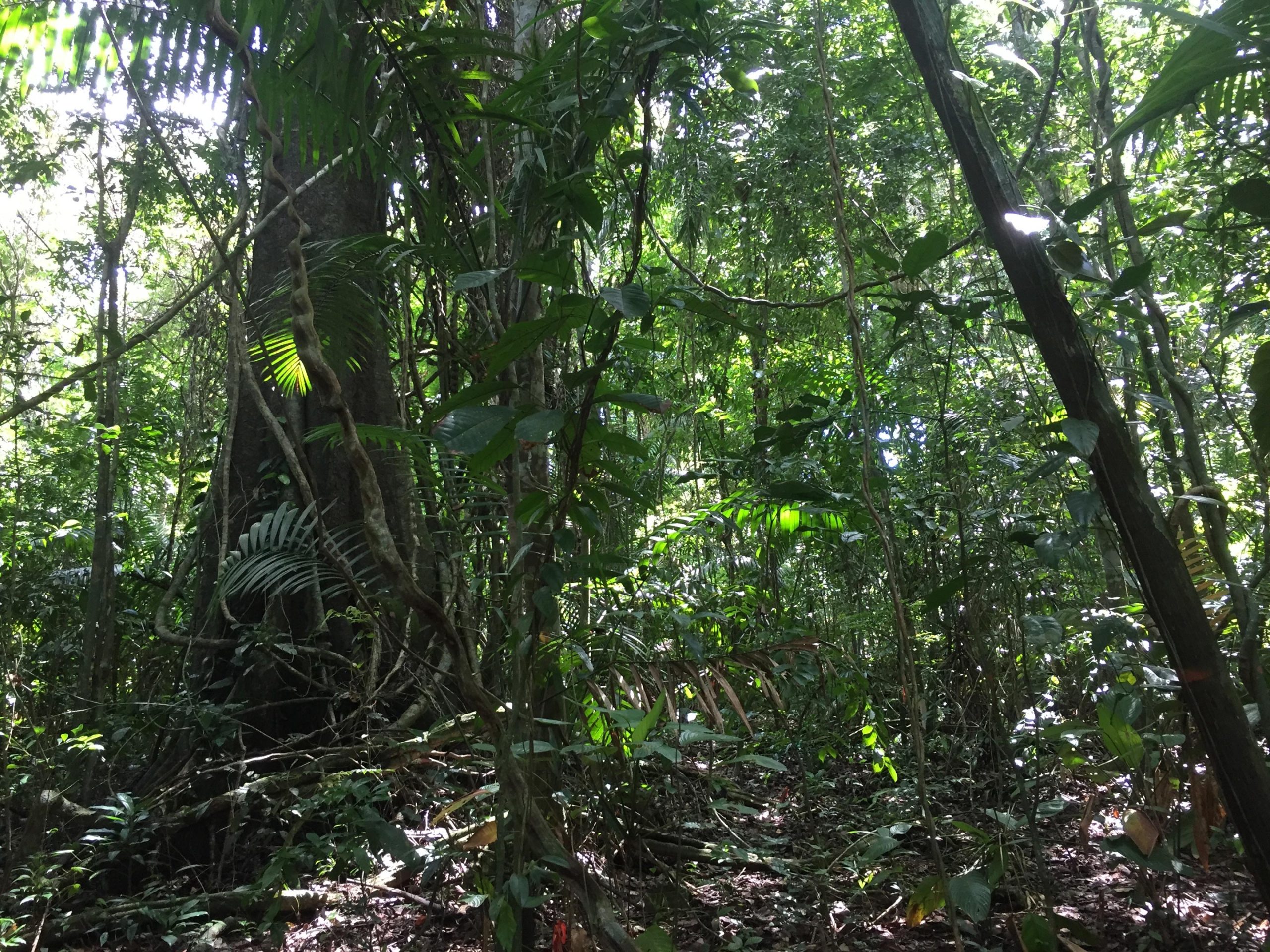
Tropical forests are among the planet’s most important carbon sinks. They help slow climate change by pulling carbon dioxide from the atmosphere and storing it in wood and soil through carbon sequestration.
The researchers estimate that if nitrogen limitations affect young tropical forests worldwide, the planet could be missing out on about 0.69 billion tonnes of carbon dioxide stored each year. That amount is roughly equal to two years of carbon dioxide and other greenhouse gas emissions in the U.K.
Policy Relevance and Global Timing
The study arrives shortly after the conclusion of COP 30 in Brazil, where the Tropical Forest Forever Facility (TFFF) fund was announced. The initiative is designed to help tropical countries protect and restore forests.
Principal investigator Dr. Sarah Batterman, an Associate Professor in Leeds’ School of Geography, said: “Our experimental findings have implications for how we understand and manage tropical forests for natural climate solutions.
“Avoiding deforestation of mature tropical forests should always be prioritized, but our findings about nutrient impacts on carbon sequestration is important as policymakers evaluate where and how to restore forests to maximize carbon sequestration.”
Reference: “Tropical forest carbon sequestration accelerated by nitrogen” by Wenguang Tang, Jefferson S. Hall, Oliver L. Phillips, Roel J. W. Brienen, S. Joseph Wright, Michelle Y. Wong, Lars O. Hedin, Michiel van Breugel, Joseph B. Yavitt, Phillip M. Hannam and Sarah A. Batterman, 13 January 2026, Nature Communications.
DOI: 10.1038/s41467-025-66825-2
The research was funded by the Heising-Simons Foundation, the Carbon Mitigation Initiative at Princeton University, the Leverhulme Trust, the United Kingdom Natural Environment Research Council Council (NE/M019497/1, NE/N012542/1), the British Council 275556724 with additional support from Stanley Motta, Frank and Kristin Levinson, the Hoch family, the U Trust, Andrew W. Mellon Foundation and Scholarly Studies Program of the Smithsonian Institution, Chinese Scholarship Council-University of Leeds joint scholarship and Priestley Centre for Climate Futures, and Singapore’s Ministry of Education (IG19_SG113).
Never miss a breakthrough: Join the SciTechDaily newsletter.
Follow us on Google and Google News.