
Close Menu
    Facebook X (Twitter) Instagram
    SciTechDaily
    • Biology
    • Chemistry
    • Earth
    • Health
    • Physics
    • Science
    • Space
    • Technology
    Facebook X (Twitter) Pinterest YouTube RSS
    SciTechDaily
    Home»Health»This Immune Therapy Repaired Gut Damage for a Full Year
    Health

    This Immune Therapy Repaired Gut Damage for a Full Year

    By Cold Spring Harbor LaboratoryJanuary 20, 20261 Comment4 Mins Read
    Facebook Twitter Pinterest Telegram LinkedIn WhatsApp Email Reddit
    Share
    Facebook Twitter LinkedIn Pinterest Telegram Email Reddit
    Woman Intestines Holographic Scan Digestive System
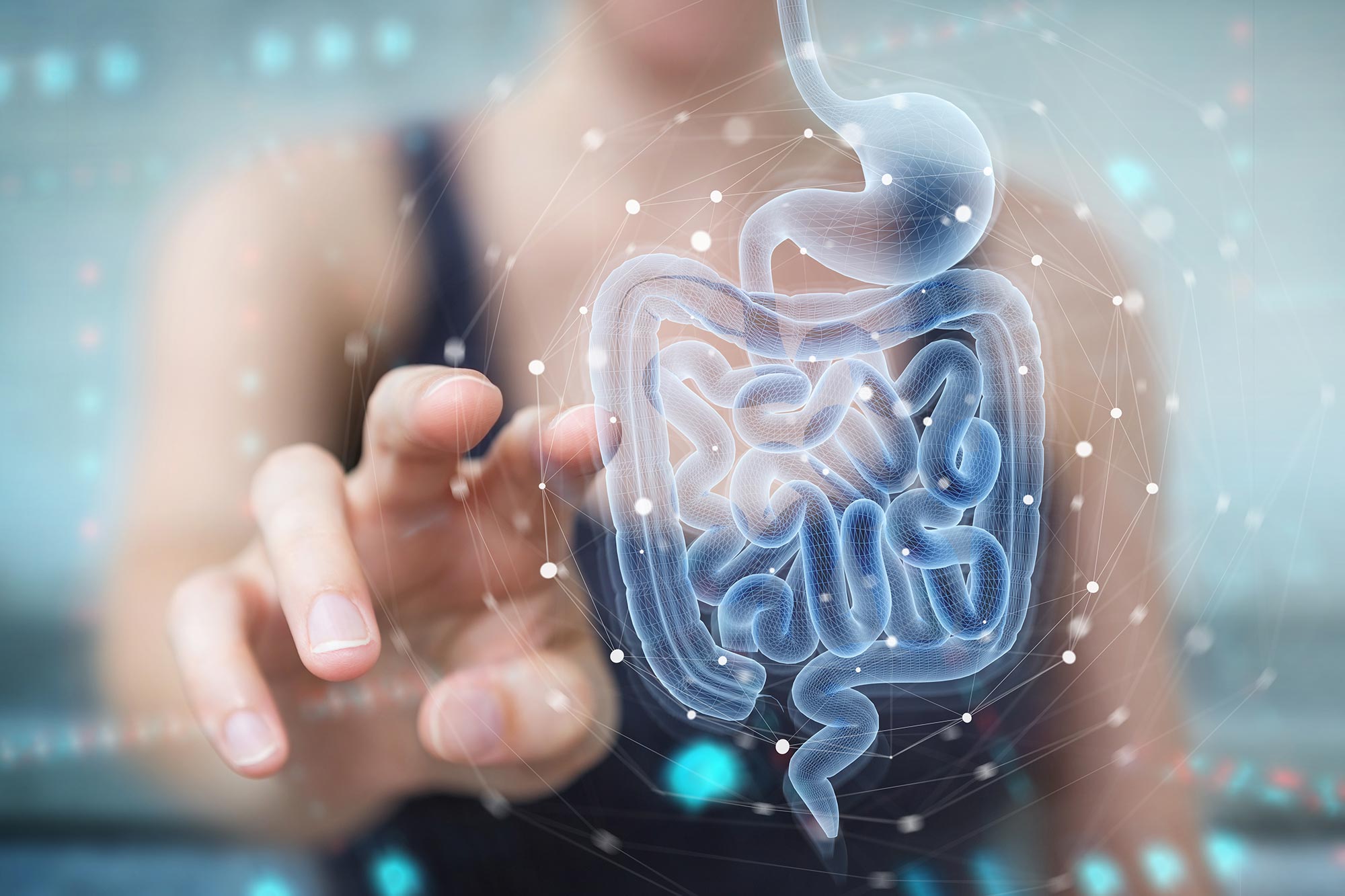
    Scientists have found a way to help aging intestines heal themselves using CAR T-cell therapy. The treatment removes senescent cells that slow regeneration, allowing the gut lining to repair faster and function better. Credit: Shutterstock

    A cancer-fighting immune therapy helped aging guts repair themselves and stay healthier for a year.

    Many people find that foods they once enjoyed become harder to digest as they get older. One reason may be damage to the intestinal epithelium, the thin, single layer of cells that lines the intestine. This lining is essential for digestion and overall gut function.

    Under healthy conditions, the intestinal epithelium fully renews itself every three to five days. Aging and exposure to cancer radiation can interfere with this process, slowing or even halting regeneration. When renewal breaks down, inflammation can increase, and disorders such as leaky gut syndrome may follow.

    A New Strategy to Repair the Aging Intestine

    Researchers at Cold Spring Harbor Laboratory (CSHL) have now developed a new method to stimulate healing and cell growth in the intestine. Their approach uses CAR T-cell therapy, a form of immunotherapy that has gained attention for its success in cancer treatment. The scientists believe this strategy could eventually support clinical trials aimed at improving gut health in people affected by age-related intestinal decline.
    Aged Human Intestinal Ephitelium
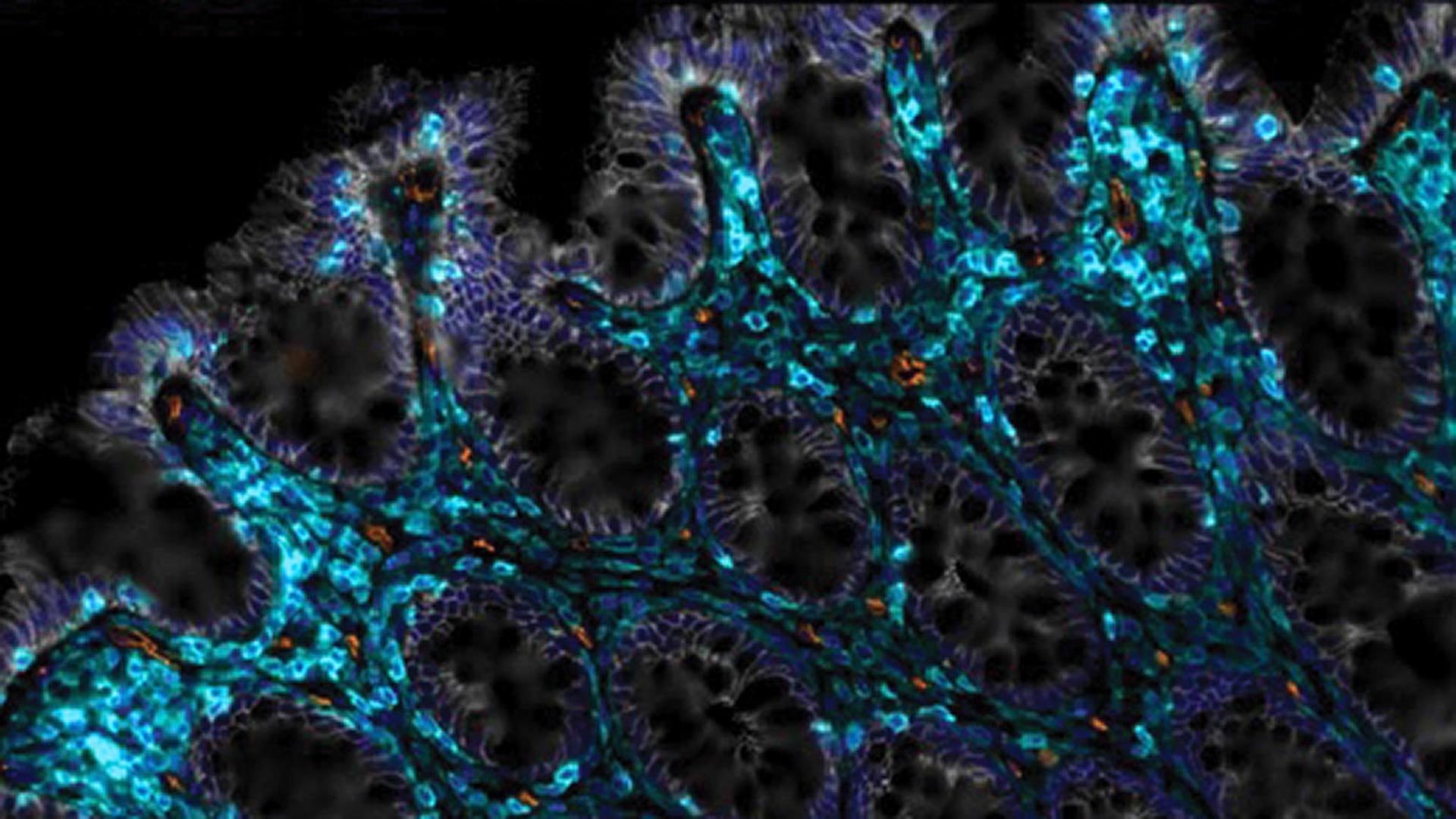
    Epithelial cells in samples of aged human intestines, shown here, tested positive for uPAR, a surface marker of senescence. They also exhibited a lack or absence of the tumor suppressor p21. Credit: Amor Vegas & Beyaz labs/CSHL

    Clearing Senescent Cells Linked to Aging Disease

    The new findings build on earlier work by CSHL Assistant Professor Corina Amor Vegas, whose research focuses on cellular senescence. As people age, senescent cells accumulate throughout the body. These cells no longer divide, yet they also do not die, allowing them to linger and disrupt normal tissue function. Senescent cells have been connected to many age-related illnesses, including diabetes and dementia.

    In previous studies, Amor Vegas and her team created specialized immune cells known as anti-uPAR CAR T cells that selectively removed senescent cells in mice, leading to major improvements in metabolic health.

    Testing Immune Therapy in Young and Old Mice

    The researchers next explored whether eliminating senescent cells could help restore the intestine’s ability to heal. Amor Vegas collaborated with CSHL Assistant Professor Semir Beyaz and graduate student Onur Eskiocak to test the idea. The team delivered CAR T cells directly into the intestines of both young and older mice. The results were consistent across ages.

    “In both cases, we see really significant improvements,” Amor Vegas says. “They’re able to absorb nutrients better. They have much less inflammation. When irritated or injured, their epithelial lining is able to regenerate and heal much faster.”
    Intestinal Linings uPAR Targeting
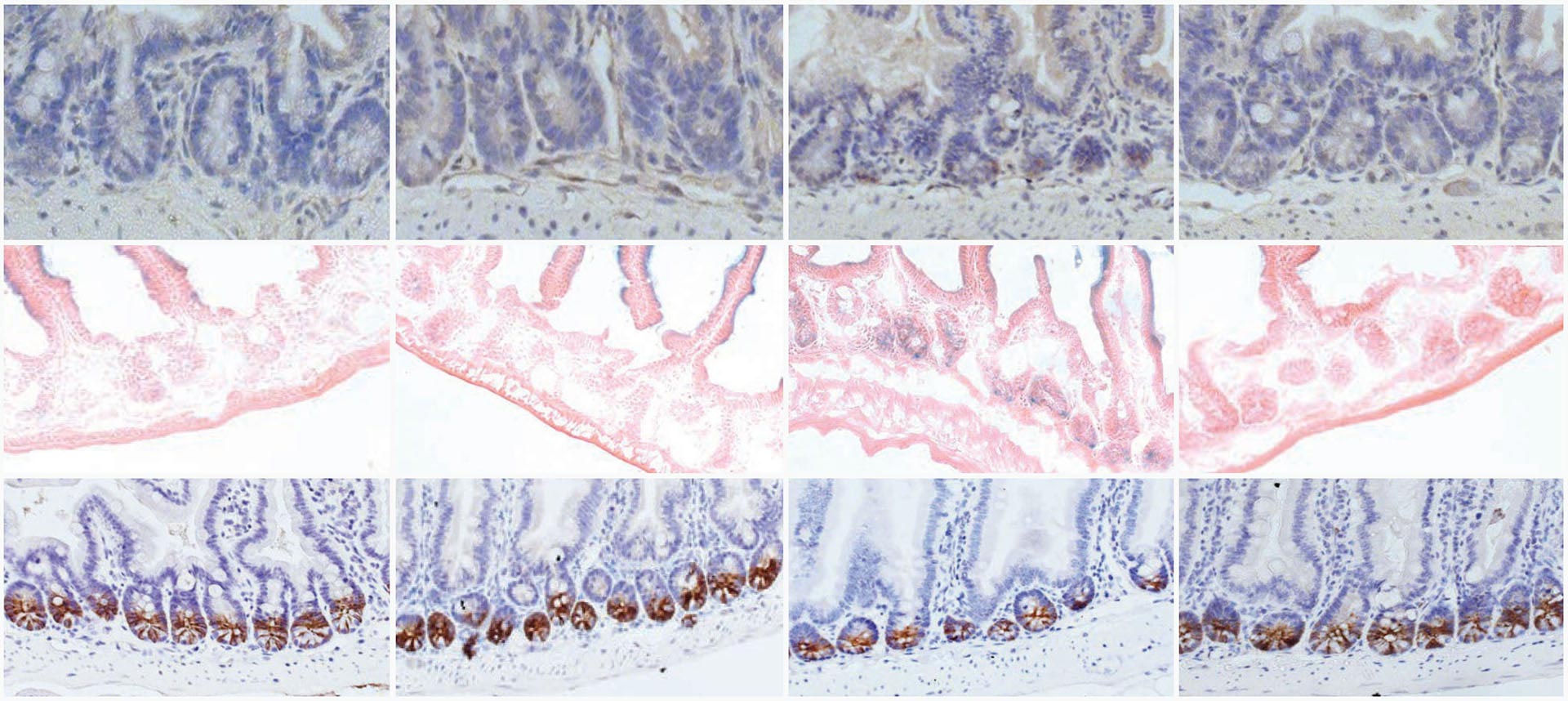
    Treating the intestinal linings with uPAR-targeting CAR T cells improved gut health in both young mice (left) and older animals (right). Treated intestines (shown in the second and fourth columns) exhibited reductions in uPAR cells (top row), as well as reductions in damaged senescent cells (middle row) and increases in healthy stem cells (bottom row). Credit: Amor Vegas & Beyaz labs/CSHL

    Improved Recovery After Radiation Damage

    Leaky gut syndrome often affects cancer patients receiving pelvic or abdominal radiation therapy. To recreate this damage, the researchers exposed mice to radiation that injured their intestinal epithelial cells. Mice treated with CAR T cells recovered far more effectively than those that did not receive the therapy. Notably, a single dose of CAR T-cell treatment continued to support improved gut health for at least one year.

    Evidence of Regeneration in Human Cells

    The team also observed strong signs that anti-uPAR CAR T cells promote regeneration in human intestinal and colorectal cells, Eskiocak notes. The exact biological mechanisms behind this effect are still being studied. Even so, the findings offer strong encouragement. “This is one good step toward a long journey in understanding how we can better heal the elderly,” Beyaz said.

    Reference: “Anti-uPAR CAR T cells reverse and prevent aging-associated defects in intestinal regeneration and fitness” by Onur Eskiocak, Joseph Gewolb, Vyom Shah, James A. Rouse, Saria Chowdhury, Erdogan O. Akyildiz, Inés Fernández-Maestre, Jacob A. Boyer, Aveline Filliol, Alexander S. Harris, Raditya Utama, Guangran Guo, Carolina Castro-Hernández, Emmanuella Nnuji-John, Charlie Chung, Arianna Anderson, Sara Flowers, Jill Habel, Paul B. Romesser, Ross L. Levine, Scott W. Lowe, Michel Sadelain, Semir Beyaz and Corina Amor, 25 November 2025, Nature Aging.
    DOI: 10.1038/s43587-025-01022-w

    Never miss a breakthrough: Join the SciTechDaily newsletter.
    Follow us on Google and Google News.

    Aging Cold Spring Harbor Laboratory Gastrointestinal Immunotherapy Intestines
    Share. Facebook Twitter Pinterest LinkedIn Email Reddit

    Related Articles

    The Pancreatic Puzzle: Cracking the Code of Cancer’s Immune Secrets

    Why Does Immunotherapy Not Always Work? New Research Sheds Light

    New Yale Study Links Childbearing to Accelerated Aging

    Experimental Alzheimer’s Drug J147 Shows Anti-Aging Effects

    New Synthetic Process Provides a Better View of Diabetes, Inflammation, and Human Aging

    Study Shows Calorie-Restricting Diets Slow Aging

    Dietary Cocoa Flavanols Reverse Age-Related Memory Decline in Older Adults

    UCLA Study Shows That Obesity Accelerates Aging of the Liver

    Naturally Occurring Molecule Enhances Defense Mechanisms Against Neurodegenerative Diseases

    1 Comment

    1. Behzad on January 21, 2026 6:00 am

      Interesting find, but it appears to have limited application and is not suitable for regular use in old-related condition.

      Reply
    Leave A Reply Cancel Reply

    • Facebook
    • Twitter
    • Pinterest
    • YouTube

    Don't Miss a Discovery

    Subscribe for the Latest in Science & Tech!

    Trending News

    Popular Vitamin B3 Supplements May Help Cancer Cells Survive, Scientists Warn

    Scientists Discover Strange Property of Rice and Turn It Into a Smart Material

    NASA Artemis II Skips Burn As Astronaut Captures Stunning View of Earth

    NASA’s Artemis II: Humans Just Left Earth Orbit for the First Time Since 1972

    What Causes Chronic Pain? Scientists Identify Key Culprit in the Brain

    Semaglutide Shows Surprising Mental Health Benefits in Massive 100,000-Person Study

    This Liquid Snapped Instead of Flowing and Scientists Were Shocked

    Breakthrough Alzheimer’s Drug Rewires the Brain Instead of Just Clearing Plaques

    Follow SciTechDaily
    • Facebook
    • Twitter
    • YouTube
    • Pinterest
    • Newsletter
    • RSS
    SciTech News
    • Biology News
    • Chemistry News
    • Earth News
    • Health News
    • Physics News
    • Science News
    • Space News
    • Technology News
    Recent Posts
    • Stanford Scientists Discover Hidden Brain Circuit That Fuels Chronic Pain
    • Johns Hopkins Scientists Develop Nasal DNA Vaccine for Tuberculosis
    • New Study Reveals Why Ozempic Works Better for Some People Than Others
    • Scientists Uncover the Secret “Glue” That Helps Soil Hold Water
    • Climate Change Is Altering a Key Greenhouse Gas in a Way Scientists Didn’t Expect
    Copyright © 1998 - 2026 SciTechDaily. All Rights Reserved.
    • Science News
    • About
    • Contact
    • Editorial Board
    • Privacy Policy
    • Terms of Use

    Type above and press Enter to search. Press Esc to cancel.