

Close Menu
    Facebook X (Twitter) Instagram
    SciTechDaily
    • Biology
    • Chemistry
    • Earth
    • Health
    • Physics
    • Science
    • Space
    • Technology
    Facebook X (Twitter) Pinterest YouTube RSS
    SciTechDaily
    Home»Science»Ancient Pacific City Discovered: Urbanization Began 700 Years Earlier Than Thought
    Science

    Ancient Pacific City Discovered: Urbanization Began 700 Years Earlier Than Thought

    By Australian National UniversityJuly 20, 2024No Comments3 Mins Read
    Facebook Twitter Pinterest Telegram LinkedIn WhatsApp Email Reddit
    Share
    Facebook Twitter LinkedIn Pinterest Telegram Email Reddit
    Burden of Maui Tonga
    Research from ANU shows urbanisation in the Pacific began around AD 300, much earlier than previously thought. This indigenous development led to significant changes and collapsed mainly due to European contact and diseases.

    Recent research reveals that Pacific cities like those on Tongatapu in Tonga were founded around AD 300, much earlier than thought, demonstrating that Pacific urbanization was an indigenous innovation. The study highlights the significant role of technology in archaeological discoveries and the impact of European colonization on these early cities.

    New findings from the Australian National University (ANU) indicate that some of the earliest cities in the Pacific were established much earlier than previously believed. The research involved using aerial laser scanning to map archaeological sites on the island of Tongatapu in Tonga.

    Lead author, PhD scholar Phillip Parton, said the new timeline also indicates that urbanization in the Pacific was an indigenous innovation that developed before Western influence.

    “Earth structures were being constructed in Tongatapu around AD 300. This is 700 years earlier than previously thought,” Mr. Parton said. “As settlements grew, they had to come up with new ways of supporting that growing population. This kind of setup – what we call low-density urbanization – sets in motion huge social and economic change. People are interacting more and doing different kinds of work.”
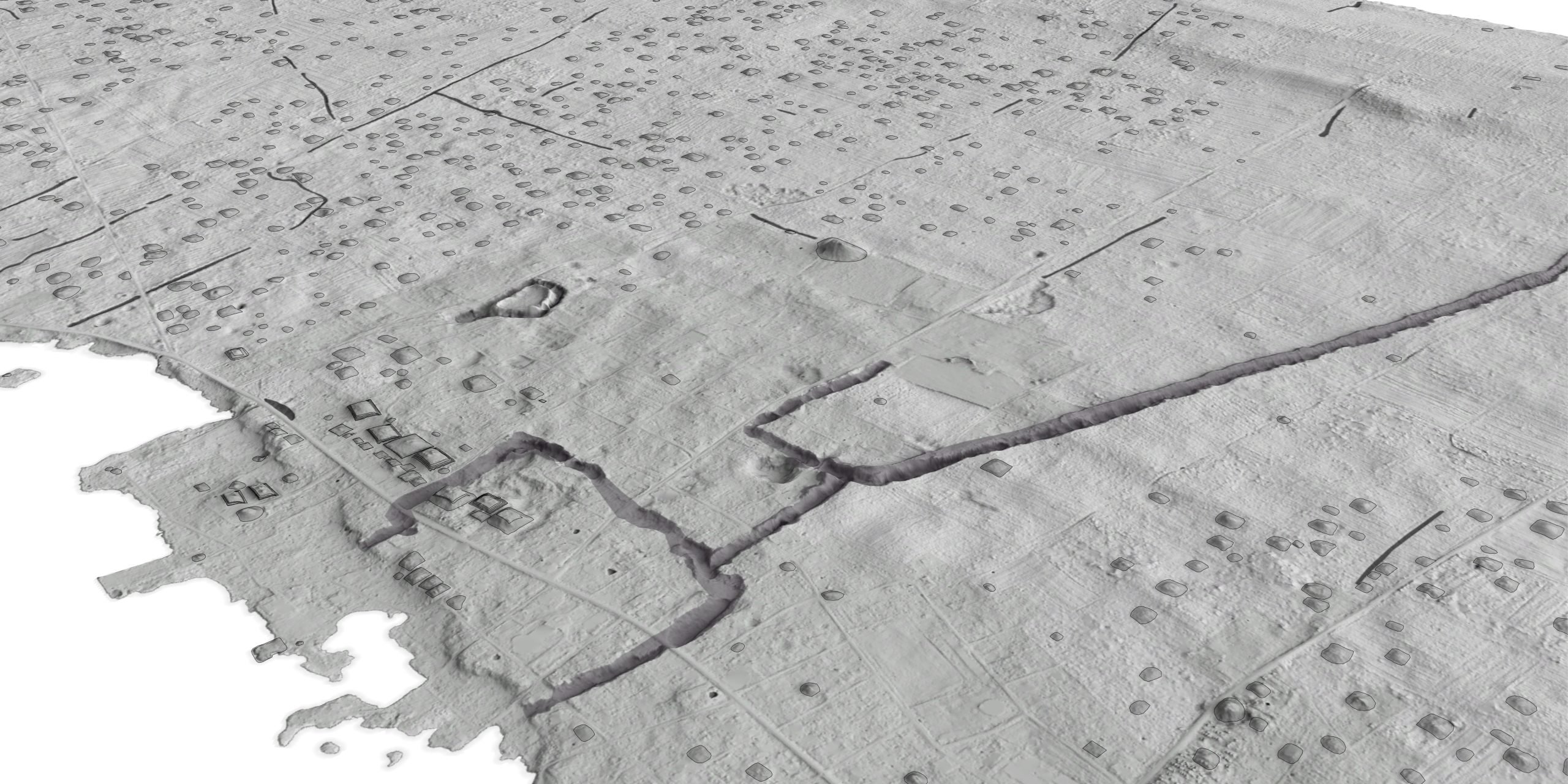
    Urban Area at Mu’a
    A view of the urban area at Mu‘a. Credit: Phillip Parton/ANU

    Technological Advancements in Archaeology

    Mr. Parton said traditionally, studying urbanization in the Pacific has been tricky due to challenges in collecting data, but new technology has changed that.

    “We were able to combine high-tech mapping and archaeological fieldwork to understand what was happening in Tongatapu,” he said. “Having this type of information really adds to our understanding of early Pacific societies. Urbanization is not an area that has been investigated much until now. When people think of early cities they usually think of traditional old European cities with compact housing and windy cobblestone streets. This is a very different kind of city. But it shows the contribution of the Pacific to urban science. We can see clues that Tongatapu’s influence spread across the southwest Pacific Ocean between the 13th and 19th centuries.”

    According to Mr. Parton, the collapse of this kind of low-density urbanization in Tonga was largely due to the arrival of Europeans.

    “It didn’t collapse because the system was flawed; it had more to do with the arrival of Europeans and introduced diseases,” he said. “This is just the beginning in terms of early Pacific settlements. There’s likely still much to be discovered.”

    Reference: “Low-Density Urbanisation: Prestate Settlement Growth in a Pacific Society” by Phillip Parton, and Geoffrey Clark, 4 April 2024, Journal of Archaeological Method and Theory.
    DOI: 10.1007/s10816-024-09647-8

    Never miss a breakthrough: Join the SciTechDaily newsletter.
    Follow us on Google and Google News.

    Archaeology Australian National University Urbanization
    Share. Facebook Twitter Pinterest LinkedIn Email Reddit

    Related Articles

    It Wasn’t Just Drought: Scientists Propose New Theory on the Maya Urban Collapse

    11,000-Year-Old Dinner Party: Why Neolithic People Hauled Wild Boars Across Mountains

    Inequality Isn’t Inevitable: New Study Challenges Economic Myths

    The Lost Neanderthal Era: Unique Archaeological Site Rewrites History

    New Clues on Early Human Migration: 42,000-Year-Old Site Discovered in Southeast Indonesia

    Thousands of Artifacts Uncovered: Timor Island Findings Challenge Theories of Human Settlement in Australia

    ANU Archaeologist Unearths Ancient Human Remains

    Archaeologists Discover Oldest Known Funereal Fish Hooks

    Exposing 8,000 Years of Civilization With Satellites

    Leave A Reply Cancel Reply

    • Facebook
    • Twitter
    • Pinterest
    • YouTube

    Don't Miss a Discovery

    Subscribe for the Latest in Science & Tech!

    Trending News

    One of the Universe’s Largest Stars May Be Getting Ready To Explode

    Scientists Discover Enzyme That Could Supercharge Ozempic-Like Weight Loss Drugs

    Popular Sweetener Linked to DNA Damage – “It’s Something You Should Not Be Eating”

    Ancient “Rock” Microbes May Reveal How Complex Life Began

    Researchers Capture Quantum Interference in One of Nature’s Rarest Atoms

    “A Plague Is Upon Us”: The Mass Death That Changed an Ancient City Forever

    Scientists Discover Game-Changing New Way To Treat High Cholesterol

    This Small Change to Your Exercise Routine Could Be the Secret to Living Longer

    Follow SciTechDaily
    • Facebook
    • Twitter
    • YouTube
    • Pinterest
    • Newsletter
    • RSS
    SciTech News
    • Biology News
    • Chemistry News
    • Earth News
    • Health News
    • Physics News
    • Science News
    • Space News
    • Technology News
    Recent Posts
    • The Surprising Role of Asteroids in the Origin of Life
    • Scientists Raise Concerns Over Newly Recognized Pollutant Found Everywhere in the Air
    • New Study Challenges 40-Year Puzzle About Childhood Body Fat
    • 20-Year Study Finds Daily Multivitamins Don’t Extend Lifespan
    • Landmark Study Links Never Marrying to Significantly Higher Cancer Risk
    Copyright © 1998 - 2026 SciTechDaily. All Rights Reserved.
    • Science News
    • About
    • Contact
    • Editorial Board
    • Privacy Policy
    • Terms of Use

    Type above and press Enter to search. Press Esc to cancel.